


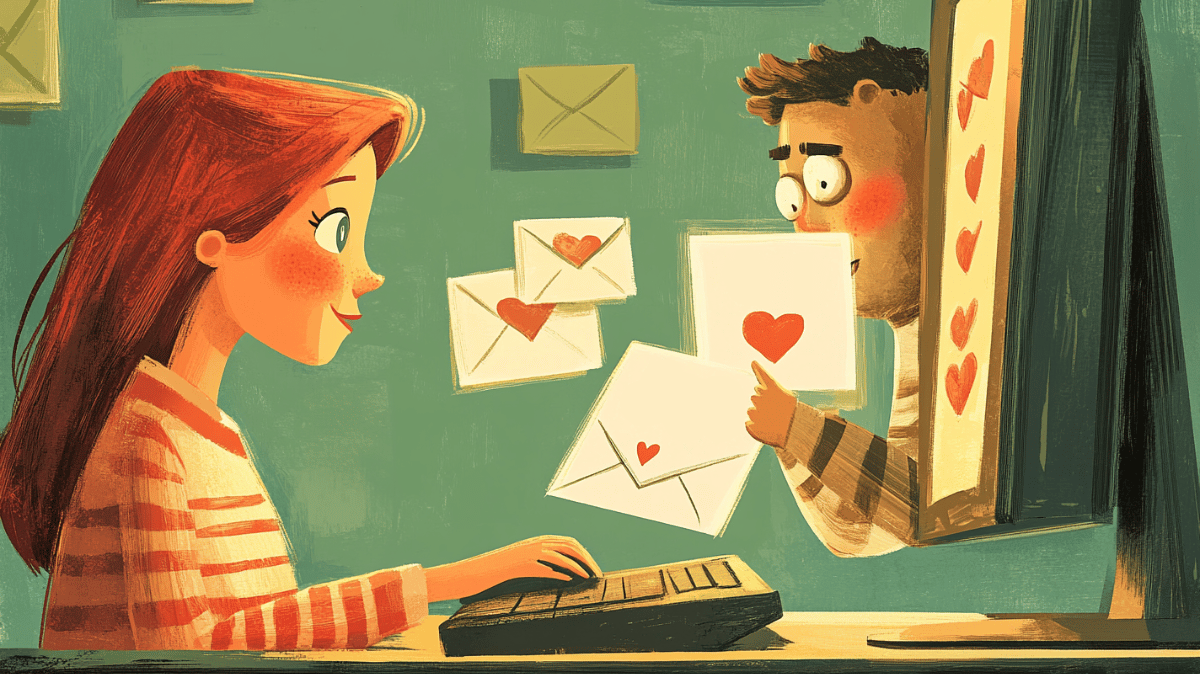
As people celebrate Valentine’s Day today, malicious actors are jumping on the love bandwagon in an opportunity to exploit heightened emotions and consumer spending with a wave of scam emails.
According to the latest findings from Bitdefender Antispam Lab, a whopping 50% of all Valentine’s Day-themed spam emails between 13 January 13 and 7 February this year, were classified as scams—a steep rise from 25% in 2024. Similarly, new data from KnowBe4 revealed a 34.8% spike in Valentine’s Day-related phishing attacks compared to February 2024.
Love Is in the Air—and So Are Phishing Scams
Bitdefender’s research highlights a growing trend of fraudulent Valentine’s Day emails, with scam-related messages peaking on 21 January and 2 February.
According to Bitdefender, the United States came out tops as the primary source of Valentine’s Day spam, accounting for more than half (58%) of detected cases, followed by Indonesia (9%), India (5%), and the UK (5%). Spam emails also primarily targeted US inboxes, with 49% of messages landing in American accounts, followed by Germany (14%) and Ireland (11%).
Cupid’s Arrow or a Clickbait Trap?
KnowBe4’s Threat Research team observed a significant increase in phishing attacks leveraging brand impersonation to trick victims into clicking malicious links or downloading harmful attachments. The most common methods identified include:
- Fake Dating Websites and Platforms – Scams promoting fraudulent dating services to steal user information, enroll victims in costly subscriptions, or engage in romance scams.
- Booking.com Phishing Emails – Fraudsters leveraging fake Booking.com emails to steal login credentials amid an increase in romantic getaways.
- Brand Impersonation Scams – Among the top five brands impersonated in Valentine’s-themed phishing campaigns are Hilton Hotels, Marriott Bonvoy, and Amazon.
- Malicious Links as Primary Attack Vectors – 82.6% of Valentine’s-related phishing emails contained malicious links, followed by attachments (11.2%), social engineering (4.8%), and malware (1.5%).
Roses Are Red, Scams Are Too
According to Bitdefender Antispam Lab, scammers employ a range of tactics to manipulate unsuspecting recipients. One of the most common methods is the survey-based lure, where recipients are promised exclusive Valentine’s Day gifts in exchange for answering a few simple questions.
But there’s no free lunch. These surveys are designed to harvest names, addresses, and payment details, often asking for a small “processing fee” or credit card details for “verification,” which results in financial fraud.
Another observed tactic involves localized scam templates, which are customized for different regions to make them appear more authentic. Fraudsters often impersonate well-known brands to build credibility and deceive victims into providing sensitive information.
Some of the most widespread Valentine’s Day scams identified by Bitdefender this year include:
- Fake Cadbury Chocolate Giveaways – Fraudulent emails promising a free Cadbury Ultimate Selection.
- Costco Valentine’s Day Basket Scam – A bogus contest offering a curated selection of treats.
- Valentine’s Flower Basket Scam – Victims are told they have won a premium flower basket but must pay shipping fees to claim it.
- La Vie Est Belle Perfume Scam – A campaign falsely informing recipients they have been selected for a free bottle of Lancôme’s La Vie Est Belle Eau de Parfum.
- Rituals Valentine’s Package Scam – A fake prize scheme requiring victims to enter personal details and pay for shipping.
Love, Lies, and Manipulation
Romance scams are getting more aggressive and harder to spot, says Chloé Messdaghi, Founder of SustainCyber. Scammers are weaponizing AI to create fake profiles, deepfake videos, and run chatbot-driven conversations that feel real—they know how to tap into emotions fast.
“We can’t keep placing the burden solely on individuals to ‘watch for red flags’ when those flags are increasingly invisible. Platforms need to step up with stronger fraud detection and identity verification, and financial institutions should be doing more to catch suspicious transaction patterns before people lose everything. This is a collective problem that requires a collective response—tech, finance, and policy all need to work together to protect people from being manipulated and financially gutted.”
From “Soulmate” to “Scam Artist” in 60 Seconds
“Romance scams are at an all-time high, leading to significant financial losses for many individuals,” says Lucy Finlay, Director, Secure Behaviour and Analytics at ThinkCyber Security According to the National Fraud Intelligence Bureau (NFIB), there were 8,792 reported cases of romance fraud last year, resulting in total losses exceeding £94.7 million. On average, each victim lost £10,774.
“Scammers use various deceptive techniques, with emotional manipulation being one of the most common. These threat actors take advantage of cognitive biases, which are natural tendencies in the way we all interpret information and make decisions,” Finlay explains.
Glitz, Glam, and Grand Larceny
“For instance, many people subconsciously associate wealth and glamour with trustworthiness and good character due to a cognitive bias called the ‘halo effect.’ This can lead victims to assume that attractive or well-dressed individuals are inherently good,” Finlay says.
The notorious ‘Tinder Swindler’ is a prime example, as he posed as a wealthy, jet-setting diamond mogul, to charm women online before scamming them out of millions of dollars. Similarly, MTV’s hit show Catfish highlights how people can form deep emotional connections with individuals who misrepresent their real identity online, often maintaining these deceptions for years, Finlay adds.
Finlay offers some tips to avoid falling victim to Valentine’s Day scammers:
- Always trust your gut. When something doesn’t feel right or feels too good to be true, unfortunately it often is.
- Avoid sharing personal or sensitive information when interacting with individuals you don’t know very well online.
- Always remain cautious about requests from strangers online, particularly in the context of money. Further advice can be found on actionfraud.police.uk.
- If something feels off, make sure to report any suspicious activity. In doing so, this can help prevent others from falling into the same trap.
- Be wary if they avoid meeting in person. Frequent excuses, such as work obligations or financial troubles, are common red flags in romance scams.
- Watch out for travel-related money requests. Scammers often claim they need funds to visit you but always encounter last-minute issues preventing them from traveling.

Information Security Buzz News Editor
Kirsten Doyle has been in the technology journalism and editing space for nearly 24 years, during which time she has developed a great love for all aspects of technology, as well as words themselves. Her experience spans B2B tech, with a lot of focus on cybersecurity, cloud, enterprise, digital transformation, and data centre. Her specialties are in news, thought leadership, features, white papers, and PR writing, and she is an experienced editor for both print and online publications.
The opinions expressed in this post belong to the individual contributors and do not necessarily reflect the views of Information Security Buzz.