


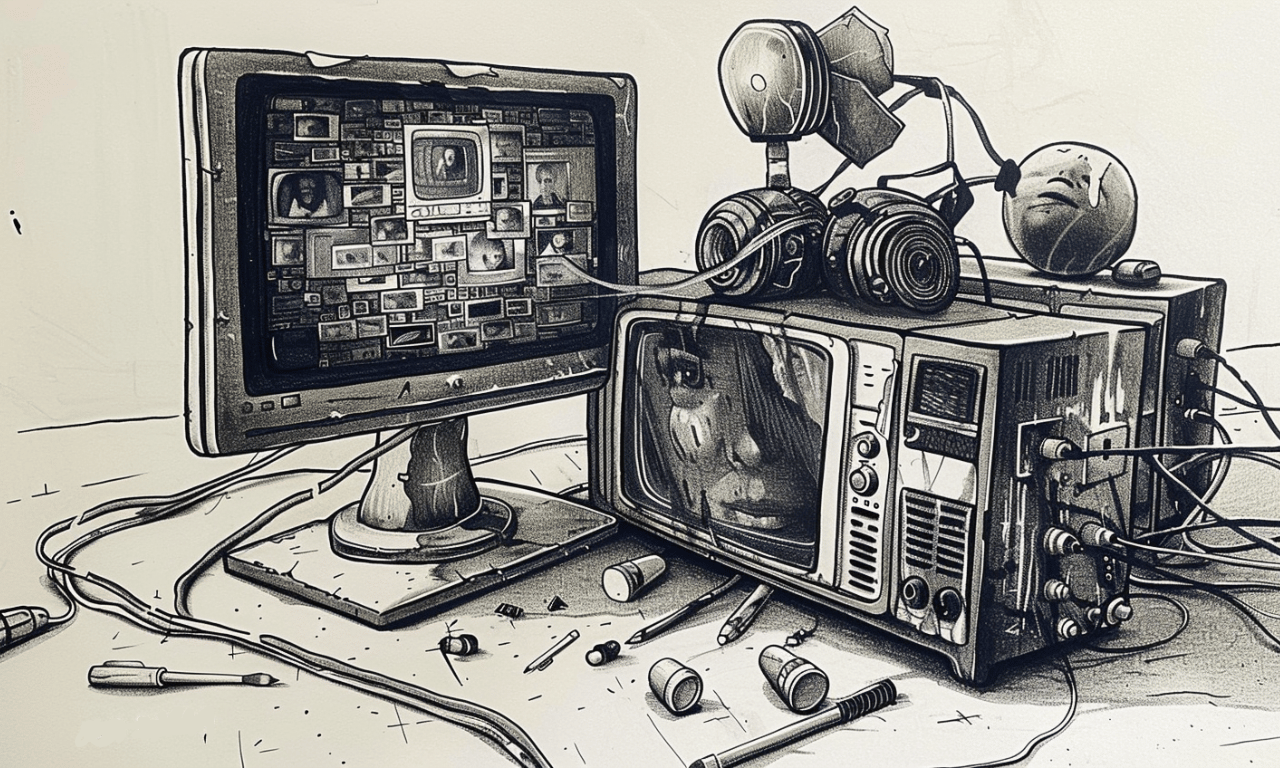
Today’s digital era is seeing the line between reality and fabrication become increasingly blurred, thanks to the advent of deepfake technology. Deepfakes are AI-generated videos or audio that convincingly mimic real people, making it appear like they said or did something they never did.
Initially regarded as a novelty or a tool for harmless entertainment, deepfakes are emerging as a significant threat to cybersecurity, as malicious actors can use these tools to deceive, manipulate, and harm people and organizations.
Understanding how to combat these threats is essential to protect privacy, maintain public trust, and ensure security in our increasingly digital world.
A Growing Scourge
The stakes are alarmingly high as deepfake technology becomes more sophisticated and accessible, particularly for those in the public eye. Realistic impersonations of a person’s face or voice can be crafted with surprising ease, paving the way for severe identity theft and fraud.
Deepfakes can grant unauthorized access to personal information and accounts, leading to significant financial and reputational damage. The viral spread of deepfake videos depicting individuals in compromising or damaging situations can devastate careers before the truth has a chance to emerge.
Businesses are equally vulnerable to the dangers posed by deepfakes. Fraudulent videos can disseminate false claims about a company’s products, services, or leadership, damaging a brand and eroding consumer trust. The financial impact is also substantial, as cybercriminals exploit deepfakes to impersonate CEOs or executives, authorize fraudulent transactions, or divulge sensitive information. Entities are losing millions to these attacks, a phenomenon known as “synthetic identity fraud.”
At a higher level, the security implications of deepfakes are profound. They can be wielded to spread false narratives, promote ideological agendas, and ultimately subvert democracy through disinformation. Inflammatory deepfake posts featuring fake statements from political leaders can incite violence, destabilizing entire regions. As the ability to detect and combat deepfakes struggles to keep pace with their rapid development, governments worldwide are scrambling to devise effective strategies to counter this growing threat.
Disturbing Developments in Deepfake Technology
Unfortunately, this technology continues to evolve rapidly, with new trends deepfake threats are even more convincing and challenging to detect. Some of the latest trends include:
- Real-Time Deepfakes: Advances in deep learning algorithms allow for the creation of real-time deepfakes. This means that a person’s facial expressions and movements can be captured and manipulated live, making it even harder to discern what is real and what is fake.
- Audio Deepfakes: While video deepfakes are more common, audio deepfakes are also advancing. AI-generated voices can mimic someone’s speech patterns and intonation, making it possible to create fake audio recordings that sound incredibly realistic. The use of audio deepfakes in spear-phishing attacks introduces complexity and additional risk.
- Adversarial Examples: Adversarial examples refer to subtle alterations intentionally added to images or videos. These alterations are crafted to deceive deep learning algorithms, causing them to misclassify the content or produce inaccurate outputs. With deepfakes, adversarial examples can manipulate facial features or audio cues to trick AI systems into generating highly realistic yet entirely fabricated media.
- Accessibility: As deepfake creation tools become more accessible and user-friendly, the barrier to entry lowers. This democratization of deepfake technology means more people, including those with malicious intent, can create convincing fake content.
Deepfake Attacks in the Real World
In recent years, celebrities have become prime targets for deepfake creators. One infamous case involved actress Scarlett Johansson, who was digitally inserted into explicit videos without her consent. This invasion of privacy highlighted the potential for deepfakes to cause significant personal and reputational harm.
Similarly, in 2019, a deepfake video of Facebook CEO Mark Zuckerberg circulated online, making it appear as if he was boasting about controlling billions of people’s stolen data. Such incidents underscore the threat to personal reputations and the trustworthiness of public figures.
Corporations and financial institutions are not immune to the dangers of deepfakes. In 2019, a UK-based energy firm fell victim to a deepfake audio scam. Cybercriminals used AI-generated audio to mimic the voice of the company’s CEO, instructing an employee to transfer €220,000 to a fraudulent account. This incident marked one of the first known cases where deepfake technology was used for financial fraud, demonstrating the high stakes involved in businesses.
Deepfakes have also infiltrated the political arena, posing a threat to democratic processes. During the 2020 US presidential election, a manipulated video of House Speaker Nancy Pelosi, which slowed down her speech to make her appear intoxicated, went viral. This example of political propaganda highlighted how deepfakes can be used to spread misinformation and influence public opinion.
Fighting Deepfakes
It’s not all doom and gloom; three key strategies exist to address the deepfake cybersecurity challenge.
Governments worldwide are beginning to recognize the dangers of deepfakes. Enacting stringent laws and regulations is essential to deter malicious actors.
For instance, the US has introduced the DEEPFAKES Accountability Act, which aims to penalize the creation and distribution of harmful deepfakes. By establishing clear legal consequences, such regulations can help reduce the prevalence of malicious deepfake content.
Companies must adopt robust policies to protect themselves from deepfakes. This includes implementing advanced detection technologies to identify deceptive content, such as those used to detect AI-generated deepfake videos, and conducting regular employee training on cybersecurity awareness.
Encouraging a culture of vigilance can significantly reduce the risk of deepfake attacks. Additionally, companies should have a crisis management plan to respond swiftly to deepfake incidents.
Encouraging a culture of vigilance can significantly reduce the risk of deepfake attacks. Additionally, companies should have a crisis management plan to respond swiftly to deepfake incidents.
Raising public awareness about deepfakes is vital for building resilience against this threat. Educational campaigns can inform individuals about the existence and dangers of this technology, teaching them how to recognize and report suspicious content. By promoting digital literacy and critical thinking, these initiatives can empower people to navigate the digital landscape more safely.
Collaborative Efforts for Effective Solutions
Deepfakes present a severe cyber threat, impacting personal privacy, public trust, and security. Combating this issue requires robust legal measures, proactive corporate policies, and widespread public education. By addressing these areas, we can enhance deepfake cybersecurity and protect our digital world from the harmful effects of deepfakes.

Micheal Chukwube is a professional content marketer and SEO expert. His articles can be found on StartUp Growth Guide, ReadWrite, Tripwire, and Infosecurity Magazine, amongst others.
The opinions expressed in this post belong to the individual contributors and do not necessarily reflect the views of Information Security Buzz.