

Close Menu
  • Home
  • Articles
    • Attacks
      • BEC
      • Data Breach
      • DDoS
      • Evasion Attacks
      • Injection
      • Malware
      • MITM
      • Phishing
      • Ransomware
      • RCE
      • Social Engineering
      • Spoofing
      • Spyware
    • Business and Policy
      • BCP and DRP
      • GRC
      • Regulations
    • Data Protection
      • DLP
      • DRM
      • Encryption
      • IAM
    • Future, Trends and Insight
      • AI
      • Events & Community
      • Emerging Tech
      • Expert Panel
      • Interviews With Experts
      • Insights
      • Study & Research
    • Resources
      • Guides
      • Tools
      • Training & Education
    • Security
      • API
      • Apps
      • Cloud
      • Critical Infrastructure
      • Endpoint
      • Hardware
      • IoT
      • Mobile
      • Network
      • OT
      • Port Security
      • Security Architecture
      • Software Development
      • Supply Chain
      • Zero Trust
    • Threats and Vulnerabilities
      • Emerging Threats
      • Insider Threats
      • Risk Management
      • Threat Intelligence
      • Zero Day
  • News and Exclusives
    • Latest News
    • ISB Exclusive
    • Positive News
  • Who We Are
    • About Us
    • Information Security Buzz Expert Panel​
    • Write for Us
    • Media Pack
  • Contact Us
  • Newsletter
Facebook X (Twitter) LinkedIn
Information Security BuzzInformation Security Buzz
  • Home
  • Articles
    • Attacks
      • BEC
      • Data Breach
      • DDoS
      • Evasion Attacks
      • Injection
      • Malware
      • MITM
      • Phishing
      • Ransomware
      • RCE
      • Social Engineering
      • Spoofing
      • Spyware
    • Business and Policy
      • BCP and DRP
      • GRC
      • Regulations
    • Data Protection
      • DLP
      • DRM
      • Encryption
      • IAM
    • Future, Trends and Insight
      • AI
      • Events & Community
      • Emerging Tech
      • Expert Panel
      • Interviews With Experts
      • Insights
      • Study & Research
    • Resources
      • Guides
      • Tools
      • Training & Education
    • Security
      • API
      • Apps
      • Cloud
      • Critical Infrastructure
      • Endpoint
      • Hardware
      • IoT
      • Mobile
      • Network
      • OT
      • Port Security
      • Security Architecture
      • Software Development
      • Supply Chain
      • Zero Trust
    • Threats and Vulnerabilities
      • Emerging Threats
      • Insider Threats
      • Risk Management
      • Threat Intelligence
      • Zero Day
  • News and Exclusives
    • Latest News
    • ISB Exclusive
    • Positive News
  • Who We Are
    • About Us
    • Information Security Buzz Expert Panel​
    • Write for Us
    • Media Pack
  • Contact Us
  • Newsletter
Subscribe
Information Security BuzzInformation Security Buzz
Home - Articles - Blackphone And The Quest To Return Privacy To The User
Articles

Blackphone And The Quest To Return Privacy To The User

ISBuzz TeamBy ISBuzz TeamFebruary 18, 2014Updated:April 30, 20253 Mins Read
Share LinkedIn Twitter Facebook Copy Link Email
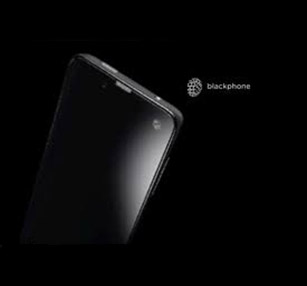
BlackPhone
Share
Facebook Twitter LinkedIn Email Copy Link
Quick AI Summary
ChatGPTClaudeGeminiGrokPerplexityDeepSeekCopilot

A Switzerland-based technology venture is building a smartphone designed to make users’ texts, phone calls, and mobile web searches more secure.

The device, known as “Blackphone,” is the creation of two tech companies:  Silent Circle, a subscription-based service that, for a monthly fee, encrypts members’ mobile activities and messages sent to other Silent Circle members; and GeeksPhone, a smartphone producer that gives users more choice in determining their phone specs, such as by allowing them to select their own mobile OS.

The new smartphone runs a customized version of Android known as “PrivatOS,” software which offers support for encrypted texts, phone calls, and videochats.  Aside from a few added layers of security, however, PrivatOS is basically the same software to which Android users are already accustomed.

Among other things, Blackphone integrates a number of Silent Circle encryption apps, uses a VPN—a private network which extends a public network across the Internet, allowing users to access the web securely—to anonymize users’ web searches, and issues Secure-Over-The-Air (SOTA) updates instead of via potentially unsecure sites such as Google Play.

The phone is slated to come out February 24, 2014.

Notwithstanding the hype surrounding the phone, there is some cause to wonder whether Blackphone will be as revolutionary as some are claiming it will be.  For instance, the NSA conducted its extensive surveillance campaign mainly through phone carriers, which collect the phone and data records of each device on a daily basis.  This suggests that, while Blackphone may prevent data surveillance on the smartphone itself, it cannot alter the carrier-device relationship in which information from the latter is constantly being transmitted to the former.

Additionally, some have argued that, in order for the phone’s Silent Circle software to work, users must be communicating only with other Silent Circle members.  Otherwise the encryption software will presumably not work.

The makers of Blackphone have responded by issuing the following statement:

Most network activity on a typical smartphone is not actually phone calls.  Internet activity forms the bulk of network traffic, and Blackphone still improves the privacy of such traffic for an isolated, individual user.  Also bear in mind that the various encryption tools on Blackphone are at the service level, not the device level, which means you can use all those services with other phones.

Will the Blackphone end up being “NSA-proof,” as some supporters have suggested?  Probably not.  But the phone will be important to the extent that it will encourage users to actively engage in protecting themselves in cyberspace.  Among other things, Blackphone promises to personalize individual users’ mobile experiences and to allow them to share what they want with data-collecting entities, such as advertising businesses.

The Blackphone will be a welcome addition to our post-Snowden world.  But the question remains:  will it live up to its full potential?

Dave BissonDavid Bisson | @DMBisson

Bio: David is currently a senior at Bard College, where he is studying Political Studies and writing his senior thesis on cyberwar and cross-domain escalation.  He also works at the Hannah Arendt Center for Politics and Humanities at Bard College as an Outreach intern.  Post-graduation, David would like to leverage his extensive journalism experience as well as his interest in computer coding and social media to pursue a career in cyber security, both its practice and policy.

ISBuzz Team
  • ISBuzz Team
    Air Canada Data Breach: BianLian Extortion Group Claims A Massive Heist Contrary To Airline’s Earlier Statement
  • ISBuzz Team
    Unprecedented DDoS Attack Rocks The Web: Tech Giants Reveal A Digital Tsunami
  • ISBuzz Team
    CISA Flags High-Severity Adobe Acrobat Reader Flaw Amid Active Exploits
  • ISBuzz Team
    Curl Security Alert: Patching A Critical Bug Averting Potential Cyber Catastrophe

The opinions expressed in this post belong to the individual contributors and do not necessarily reflect the views of Information Security Buzz.

Share. Facebook Twitter LinkedIn Email Copy Link

Related Posts

Visual data is the blind spot in enterprise security: that’s about to change

May 4, 20267 Mins Read

Making stolen data worthless: why security must start with the data

March 30, 20265 Mins Read

Meta’s Smart Glasses Privacy Scandal Expands After Sama Credentials Found on the Dark Web

March 10, 20264 Mins Read
ISB-Bora-Side-Bar

No se ha podido establecer conexión. Error 429

 
ISB-Bora-Side-Bar
Black ISB Logo

Information Security Buzz is an independent resource that provides the experts’ comments, analysis, and opinion on the latest Cybersecurity news and topics

X (Twitter) LinkedIn Facebook RSS

Working With Us

  • About Us
  • Advertise With Us
  • Contact Us

Write For Us

  • How To Contribute

The Pages

  • Privacy Policy
  • Cookie Policy
  • AI Policy
  • Terms & Conditions
  • Copyright Notice

Information Security Buzz and all its contents are copyright © 2014-2025. All rights reserved. All third-party trademarks are recognized.

Type above and press Enter to search. Press Esc to cancel.

Manage Consent
To provide the best experiences, we use technologies like cookies to store and/or access device information. Consenting to these technologies will allow us to process data such as browsing behavior or unique IDs on this site. Not consenting or withdrawing consent, may adversely affect certain features and functions.
Functional Always active
The technical storage or access is strictly necessary for the legitimate purpose of enabling the use of a specific service explicitly requested by the subscriber or user, or for the sole purpose of carrying out the transmission of a communication over an electronic communications network.
Preferences
The technical storage or access is necessary for the legitimate purpose of storing preferences that are not requested by the subscriber or user.
Statistics
The technical storage or access that is used exclusively for statistical purposes. The technical storage or access that is used exclusively for anonymous statistical purposes. Without a subpoena, voluntary compliance on the part of your Internet Service Provider, or additional records from a third party, information stored or retrieved for this purpose alone cannot usually be used to identify you.
Marketing
The technical storage or access is required to create user profiles to send advertising, or to track the user on a website or across several websites for similar marketing purposes.
  • Manage options
  • Manage services
  • Manage {vendor_count} vendors
  • Read more about these purposes
View preferences
  • {title}
  • {title}
  • {title}