


Close Menu
  • Home
  • Articles
    • Attacks
      • BEC
      • Data Breach
      • DDoS
      • Evasion Attacks
      • Injection
      • Malware
      • MITM
      • Phishing
      • Ransomware
      • RCE
      • Social Engineering
      • Spoofing
      • Spyware
    • Business and Policy
      • BCP and DRP
      • GRC
      • Regulations
    • Data Protection
      • DLP
      • DRM
      • Encryption
      • IAM
    • Future, Trends and Insight
      • AI
      • Events & Community
      • Emerging Tech
      • Expert Panel
      • Interviews With Experts
      • Insights
      • Study & Research
    • Resources
      • Guides
      • Tools
      • Training & Education
    • Security
      • API
      • Apps
      • Cloud
      • Critical Infrastructure
      • Endpoint
      • Hardware
      • IoT
      • Mobile
      • Network
      • OT
      • Port Security
      • Security Architecture
      • Software Development
      • Supply Chain
      • Zero Trust
    • Threats and Vulnerabilities
      • Emerging Threats
      • Insider Threats
      • Risk Management
      • Threat Intelligence
      • Zero Day
  • News and Exclusives
    • Latest News
    • ISB Exclusive
    • Positive News
  • Who We Are
    • About Us
    • Information Security Buzz Expert Panel​
    • Write for Us
    • Media Pack
  • Contact Us
  • Newsletter
Facebook X (Twitter) LinkedIn
Information Security BuzzInformation Security Buzz
  • Home
  • Articles
    • Attacks
      • BEC
      • Data Breach
      • DDoS
      • Evasion Attacks
      • Injection
      • Malware
      • MITM
      • Phishing
      • Ransomware
      • RCE
      • Social Engineering
      • Spoofing
      • Spyware
    • Business and Policy
      • BCP and DRP
      • GRC
      • Regulations
    • Data Protection
      • DLP
      • DRM
      • Encryption
      • IAM
    • Future, Trends and Insight
      • AI
      • Events & Community
      • Emerging Tech
      • Expert Panel
      • Interviews With Experts
      • Insights
      • Study & Research
    • Resources
      • Guides
      • Tools
      • Training & Education
    • Security
      • API
      • Apps
      • Cloud
      • Critical Infrastructure
      • Endpoint
      • Hardware
      • IoT
      • Mobile
      • Network
      • OT
      • Port Security
      • Security Architecture
      • Software Development
      • Supply Chain
      • Zero Trust
    • Threats and Vulnerabilities
      • Emerging Threats
      • Insider Threats
      • Risk Management
      • Threat Intelligence
      • Zero Day
  • News and Exclusives
    • Latest News
    • ISB Exclusive
    • Positive News
  • Who We Are
    • About Us
    • Information Security Buzz Expert Panel​
    • Write for Us
    • Media Pack
  • Contact Us
  • Newsletter
Subscribe
Information Security BuzzInformation Security Buzz
Home - Articles - Six Smartphone Security Mistakes Place Users At Risk
Articles

Six Smartphone Security Mistakes Place Users At Risk

ISBuzz TeamBy ISBuzz TeamMay 20, 2014Updated:July 3, 20244 Mins Read
Share LinkedIn Twitter Facebook Copy Link Email
Share
Facebook Twitter LinkedIn Email Copy Link
Quick AI Summary
ChatGPTClaudeGeminiGrokPerplexityDeepSeekCopilot

Smartphones have revolutionized our lives. However, the growth of this technology has also brought privacy and security concerns. Whether it is a matter of personal data or the data of organizations, users need to be aware about how to optimize their use of smartphones. This includes avoid making some common mistakes while using one’s device.

In this article, I focus on six common mistakes regarding smartphone usage that can put a user in danger.

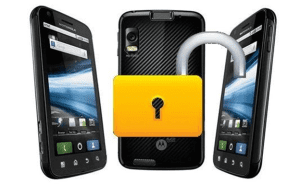
Keep your device unlocked
smartphone1

Whenever you keep your device idle, always keep it locked. There are many types of screen locks, including pattern lock, swipe lock, PIN, fingerprint, and password security. Having a strong lock on your smartphone is still the most effective form of security. If you lose your device, these screen locks can help protect your device and data for extended periods of time.  Without a security lock, anyone could steal your confidential data.

Forget to update apps

app updates

Keeping your apps up to date is one of the best ways to secure your device. To do this, always download apps from authorized websites instead of third-party platforms. Many users do not keep their devices up to date and/or download apps from vulnerable websites. If you fail to update an app, it is possible that attackers can exploit the security holes of the app version you are using and steal your information.

Ignorance of BYOD policy

BYOD

If you use a personal device at work for company business, any compromise of your device could result in a data breach. Acknowledging this, organizations need to institute BYOD policies that define employees’ right to access and usage of their private devices in the workplace. If unchecked, employees could pile up company data on unauthorized, potentially unsecure devices—a big risk for organizations and employees. Ignorance of BYOD can put sensitive data into unknown hands. Additionally, BYOD policy should aim to encrypt company information and avoid third party interruption.

Respond to Untrusted Sources

Spam

Email spamming, phishing mail, and SMS Trojan all contain links that may redirect users to a fake website where users might provide account or payment information. Similarly, if they download apps from third-party platforms rather than authorized websites like Google Play, users may cause a security risk to personal and company data. Attackers can use untrusted sources to install malicious software, or “malware,” on your device and can spy on your information. Therefore, it is sensible to download apps only from legitimate, trusted sources.

Sharing of Sensitive data on social media

Social

Sharing any sensitive information over social media platforms can be problematic. Organizations need to cover social media while implementing BYOD policy, especially with regards to users accessing these sites from a smartphone. Disclosing confidential information of the organization is infringement of that organization’s data-sharing policy. It is therefore imperative that companies make sure that employees interaction with social media in no way threatens official information.

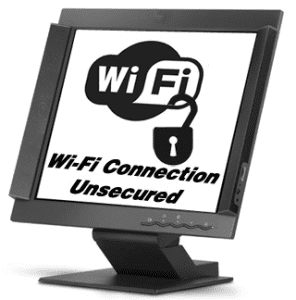
Use of unsecure public Wi-Fi
Wifi

Whenever you access public Wi-Fi, it makes your device vulnerable to hacks. Many attackers try to capture data by modifying or redirecting a particular Wi-Fi network. After that, unbeknownst to the victim, the phone sends the user’s information directly to an attacker. It is sensible to avoid open or unprotected networks, as they may threaten one’s data.

Conclusion:

Smartphones make our lives easier. For this reason, we need to approach our devices with an awareness of how to use them securely. The above six mistakes can put a user at risk; avoiding these can go a long way in securing one’s device. Additionally, it is wise to back-up the data on one’s phone, enable passcode manager, and pay attention to what one installs on a device.

Author- Bio:

As an Online Marketing Manager, Davis Joseph has been performing various tasks at SSLMatrix since last five years. Having a vast knowledge about web security, he also likes to write and share the information about hacking, web security, gadgets security, enterprise security etc. To get the most updated content on these topics you can follow him on Facebook and LinkedIn.

ISBuzz Team
  • ISBuzz Team
    Air Canada Data Breach: BianLian Extortion Group Claims A Massive Heist Contrary To Airline’s Earlier Statement
  • ISBuzz Team
    Unprecedented DDoS Attack Rocks The Web: Tech Giants Reveal A Digital Tsunami
  • ISBuzz Team
    CISA Flags High-Severity Adobe Acrobat Reader Flaw Amid Active Exploits
  • ISBuzz Team
    Curl Security Alert: Patching A Critical Bug Averting Potential Cyber Catastrophe

The opinions expressed in this post belong to the individual contributors and do not necessarily reflect the views of Information Security Buzz.

Share. Facebook Twitter LinkedIn Email Copy Link

Related Posts

New Phishing Kit Starkiller Defeats Multi-Factor Authentication

February 23, 20264 Mins Read

ReliaQuest Uncovers Social Media Phishing Campaign Built on Trusted Tools

January 22, 20266 Mins Read

What Happens after a Phishing Email Lands in Your Inbox?

January 5, 20266 Mins Read
ISB-Bora-Side-Bar

No se ha podido establecer conexión. Error 429

 
ISB-Bora-Side-Bar
Black ISB Logo

Information Security Buzz is an independent resource that provides the experts’ comments, analysis, and opinion on the latest Cybersecurity news and topics

X (Twitter) LinkedIn Facebook RSS

Working With Us

  • About Us
  • Advertise With Us
  • Contact Us

Write For Us

  • How To Contribute

The Pages

  • Privacy Policy
  • Cookie Policy
  • AI Policy
  • Terms & Conditions
  • Copyright Notice

Information Security Buzz and all its contents are copyright © 2014-2025. All rights reserved. All third-party trademarks are recognized.

Type above and press Enter to search. Press Esc to cancel.

Manage Consent
To provide the best experiences, we use technologies like cookies to store and/or access device information. Consenting to these technologies will allow us to process data such as browsing behavior or unique IDs on this site. Not consenting or withdrawing consent, may adversely affect certain features and functions.
Functional Always active
The technical storage or access is strictly necessary for the legitimate purpose of enabling the use of a specific service explicitly requested by the subscriber or user, or for the sole purpose of carrying out the transmission of a communication over an electronic communications network.
Preferences
The technical storage or access is necessary for the legitimate purpose of storing preferences that are not requested by the subscriber or user.
Statistics
The technical storage or access that is used exclusively for statistical purposes. The technical storage or access that is used exclusively for anonymous statistical purposes. Without a subpoena, voluntary compliance on the part of your Internet Service Provider, or additional records from a third party, information stored or retrieved for this purpose alone cannot usually be used to identify you.
Marketing
The technical storage or access is required to create user profiles to send advertising, or to track the user on a website or across several websites for similar marketing purposes.
  • Manage options
  • Manage services
  • Manage {vendor_count} vendors
  • Read more about these purposes
View preferences
  • {title}
  • {title}
  • {title}