


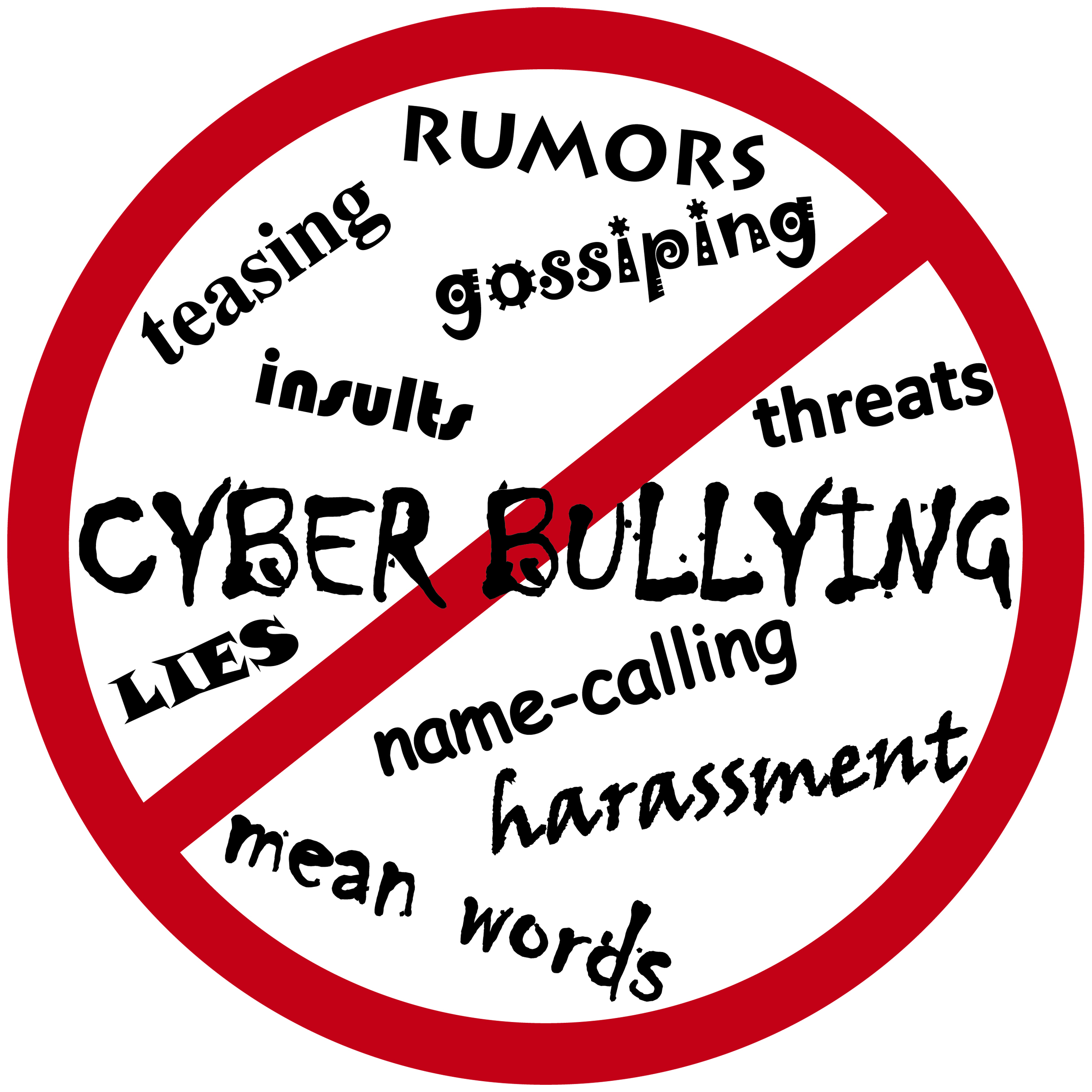
Nearly a quarter (22 per cent) of parents feel they cannot control what their child sees or does online, although nearly half (48 per cent) worry that they may face cyberbullying, a survey conducted by Kaspersky Lab and B2B International reveals. In line with this, recent in-depth interviews with young children and parents reveal that the reason young children could be at increased risk of cyberbullying is that their parents are not discussing or addressing the dangers at an early enough age.
Free eBook: Two-Factor Authentication Evaluation Guide – Get your copy now.
Well-intentioned attempts by adults to give their children some privacy could, in fact be leaving them more vulnerable to online harassment and abuse. For example, only 19 per cent say they are friends with or follow their kids on social media networks and just 39 per cent monitor their children’s online activity. A mere 38 per cent have spoken to their children about online risks, which could reflect a lack of confidence and understanding.
A lack of openness around cyberbullying between parents and children means that the very young do not have a clear view around the types of online dangers. While some recognise the need to be safe online, they do not understand why. The interviews carried out by Kaspersky Lab revealed a lack of understanding from children on the dangers of the internet, with the children’s key concerns being that they “might drop or break their iPad” or “do something wrong”. One five year old commented: “Because if it gets wet [a bit] it won’t work.”
The B2B International survey found that children are often reluctant to admit to being cyberbullied: a quarter (25 per cent) of parents whose children had been harassed online said it was a long time before they found out. This is particularly worrying because online abuse can easily spill over into real-world bullying, as 26 per cent of affected parents have found.
The study found that 44 per cent of parents whose children had been cyberbullied stepped in to prevent it – leaving well over half who didn’t.
During the interviews, when parents were probed further into discussing the dangers with their children, it was evident many parents felt ill-equipped when it comes to approaching the issue of cyberbullying and other online dangers with their children, as one parent commented: “we still don’t know all about it because it’s new to us. They know more about the technology half the time than we do, so we feel a bit in the dark.”
Eugene Kaspersky, chairman and CEO of Kaspersky Lab, said: “The Internet brings a great many benefits, but unfortunately it also allows certain people to unleash their destructive human traits, and cyberbullying has become a widespread problem today. For its victims, the psychological damage can be massive and long-lasting. There’s probably no purely technological answer, but we must talk about it to raise awareness of this issue and help young people and their parents safely make the most of the good things the Internet has to offer”.
Kaspersky Lab is committed to educating and supporting children and their parents in the fight against cyberbullying. As part of a global campaign it organised a high level panel to debate the issue at Mobile World Congress 2015 in Barcelona.
Janice Richardson, Senior Advisor at European Schoolnet and co-founder of Insafe commented during the panel discussion at Mobile World Congress: “Cyberbullying… and bullying in general… is certainly an issue for young people, and needs to be tackled in a holistic approach that involves parents and teachers as well as the children and teens themselves. The CORE problem is that our communication tools have hugely evolved over the past decades, yet literacy skill development is not keeping step.”
It can be difficult to completely prevent cyberbullying, but there are some simple measures that can be taken to protect children from the issue and its consequences.
For example, reviewing privacy settings in social networks allows adults to help children control who can see posts and write messages. Making full use of parental control settings in software applications and security solutions can provide strong protection and peace of mind.
But it needs to go further than technology. Parents need to explain how important it is to keep private information private, and not to reveal details such as address, phone number, school, credit card number, and more — online; to think about what they are sharing and with who; and who to turn to for support when they feel bullied or distressed.
More information about cyberbullying and advice on how to fight against it can be found on Kaspersky Lab’s educational portal kids.kaspersky.co.uk
About Kaspersky Lab
 Kaspersky Lab is the world’s largest privately held vendor of endpoint protection solutions. The company is ranked among the world’s top four vendors of security solutions for endpoint users*. Throughout its more than 17-year history Kaspersky Lab has remained an innovator in IT security and provides effective digital security solutions for large enterprises, SMBs and consumers. Kaspersky Lab, with its holding company registered in the United Kingdom, currently operates in almost 200 countries and territories across the globe, providing protection for over 300 million users worldwide. Learn more at www.kaspersky.com.

The opinions expressed in this post belong to the individual contributors and do not necessarily reflect the views of Information Security Buzz.