

Close Menu
  • Home
  • Articles
    • Attacks
      • BEC
      • Data Breach
      • DDoS
      • Evasion Attacks
      • Injection
      • Malware
      • MITM
      • Phishing
      • Ransomware
      • RCE
      • Social Engineering
      • Spoofing
      • Spyware
    • Business and Policy
      • BCP and DRP
      • GRC
      • Regulations
    • Data Protection
      • DLP
      • DRM
      • Encryption
      • IAM
    • Future, Trends and Insight
      • AI
      • Events & Community
      • Emerging Tech
      • Expert Panel
      • Interviews With Experts
      • Insights
      • Study & Research
    • Resources
      • Guides
      • Tools
      • Training & Education
    • Security
      • API
      • Apps
      • Cloud
      • Critical Infrastructure
      • Endpoint
      • Hardware
      • IoT
      • Mobile
      • Network
      • OT
      • Port Security
      • Security Architecture
      • Software Development
      • Supply Chain
      • Zero Trust
    • Threats and Vulnerabilities
      • Emerging Threats
      • Insider Threats
      • Risk Management
      • Threat Intelligence
      • Zero Day
  • News and Exclusives
    • Latest News
    • ISB Exclusive
    • Positive News
  • Who We Are
    • About Us
    • Information Security Buzz Expert Panel​
    • Write for Us
    • Media Pack
  • Contact Us
  • Newsletter
Facebook X (Twitter) LinkedIn
Information Security BuzzInformation Security Buzz
  • Home
  • Articles
    • Attacks
      • BEC
      • Data Breach
      • DDoS
      • Evasion Attacks
      • Injection
      • Malware
      • MITM
      • Phishing
      • Ransomware
      • RCE
      • Social Engineering
      • Spoofing
      • Spyware
    • Business and Policy
      • BCP and DRP
      • GRC
      • Regulations
    • Data Protection
      • DLP
      • DRM
      • Encryption
      • IAM
    • Future, Trends and Insight
      • AI
      • Events & Community
      • Emerging Tech
      • Expert Panel
      • Interviews With Experts
      • Insights
      • Study & Research
    • Resources
      • Guides
      • Tools
      • Training & Education
    • Security
      • API
      • Apps
      • Cloud
      • Critical Infrastructure
      • Endpoint
      • Hardware
      • IoT
      • Mobile
      • Network
      • OT
      • Port Security
      • Security Architecture
      • Software Development
      • Supply Chain
      • Zero Trust
    • Threats and Vulnerabilities
      • Emerging Threats
      • Insider Threats
      • Risk Management
      • Threat Intelligence
      • Zero Day
  • News and Exclusives
    • Latest News
    • ISB Exclusive
    • Positive News
  • Who We Are
    • About Us
    • Information Security Buzz Expert Panel​
    • Write for Us
    • Media Pack
  • Contact Us
  • Newsletter
Subscribe
Information Security BuzzInformation Security Buzz
Home - Articles - Comment from Security Experts on Federal Reserve Cyberattack
Articles

Comment from Security Experts on Federal Reserve Cyberattack

ISBuzz TeamBy ISBuzz TeamMay 26, 20153 Mins Read
Share LinkedIn Twitter Facebook Copy Link Email
Federal Reserve Cyberattack
Share
Facebook Twitter LinkedIn Email Copy Link
Quick AI Summary
ChatGPTClaudeGeminiGrokPerplexityDeepSeekCopilot

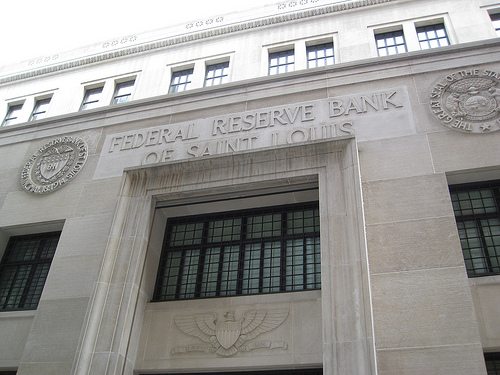
Experts from Securonix and Secure Channels commented tonight on Brian Krebs’ report that the St. Louis Federal Reserve today sent a message to the banks it serves alerting them that in late April 2015 attackers succeeded in hijacking the domain name servers for the institution. The attack redirected Web searches and queries for those seeking a variety of domains run by the government entity to a Web page set up by the attackers in an apparent bid by cybercrooks to hijack online communications of banks and other entities dealing with the regional Fed office.

Igor Baikalov, Chief Scientist, Securonix (www.securonix.com)

“Unless hackers were really into some serious economic research, the likely target of this attack was not the FRB data, but rather the users of this data. Attackers could have harvested credentials on the spoofed pages (hoping for password reuse on other, more sensitive websites), or implanted malware for later access to the user computer. There’s not much the affected users can do to protect themselves: as the statement noted, changing password is a good idea; scanning user computer with updated anti-virus signatures might also help to detect malware. St. Louis Fed has to closely monitor affected applications for any anomalies in access and user behavior to detect potential intruders and prevent them from using the Fed’s systems as a stepping stone for other attacks, similar to the State Department hack.”

Stewart Draper, Director of Insider Threat, Securonix (www.securonix.com)

“There has been a rise in DNS style attacks from hacktivist and cyber crime groups of the course of the last 6 months. I think this target was selected by an opportunistic group that saw a vulnerability they could exploit. They likely allowed the exploitable system to remain while they created fake websites for those institutes connected to them in hopes of conducting further reconnaissance on financial institutes. I think once you begin redirecting traffic, your cover is blown so malicious malware will be difficult to keep on a system that could have been infected. I would imagine routing tables, communicating DNS systems from other financial institutions, would be a good starting point in data collection for these criminals.”

Richard Blech, CEO, Secure Channels (www.securechannels.com):

“This is an example of potential thieves tricking the customers of the banks whose web traffic they redirected into entering their personal information into a similar looking site. This practice is known as phishing. If the actual banks’ websites had used an authentication system that is not able to be reproduced on the phishers’ site or only accepted encrypted data input from an actual customer, the customer’s account would be safe as the phisher would be not able to reproduce the format of the encrypted data it accepts. We cannot ignore this potential for disaster. Hackers are playing with the Federal Reserve the ramifications of such a breach could be enormous and have dramatic effects on the economy.”

Links:

  • http://krebsonsecurity.com/2015/05/st-louis-federal-reserve-suffers-dns-breach/
  • http://www.securonix.com
  • http://www.linkedin.com/in/paulabrici
  • http://www.avast.com/
ISBuzz Team
  • ISBuzz Team
    Air Canada Data Breach: BianLian Extortion Group Claims A Massive Heist Contrary To Airline’s Earlier Statement
  • ISBuzz Team
    Unprecedented DDoS Attack Rocks The Web: Tech Giants Reveal A Digital Tsunami
  • ISBuzz Team
    CISA Flags High-Severity Adobe Acrobat Reader Flaw Amid Active Exploits
  • ISBuzz Team
    Curl Security Alert: Patching A Critical Bug Averting Potential Cyber Catastrophe

The opinions expressed in this post belong to the individual contributors and do not necessarily reflect the views of Information Security Buzz.

Share. Facebook Twitter LinkedIn Email Copy Link

Related Posts

New Phishing Kit Starkiller Defeats Multi-Factor Authentication

February 23, 20264 Mins Read

ReliaQuest Uncovers Social Media Phishing Campaign Built on Trusted Tools

January 22, 20266 Mins Read

What Happens after a Phishing Email Lands in Your Inbox?

January 5, 20266 Mins Read
ISB-Bora-Side-Bar

No se ha podido establecer conexión. Error 429

 
ISB-Bora-Side-Bar
Black ISB Logo

Information Security Buzz is an independent resource that provides the experts’ comments, analysis, and opinion on the latest Cybersecurity news and topics

X (Twitter) LinkedIn Facebook RSS

Working With Us

  • About Us
  • Advertise With Us
  • Contact Us

Write For Us

  • How To Contribute

The Pages

  • Privacy Policy
  • Cookie Policy
  • AI Policy
  • Terms & Conditions
  • Copyright Notice

Information Security Buzz and all its contents are copyright © 2014-2025. All rights reserved. All third-party trademarks are recognized.

Type above and press Enter to search. Press Esc to cancel.

Manage Consent
To provide the best experiences, we use technologies like cookies to store and/or access device information. Consenting to these technologies will allow us to process data such as browsing behavior or unique IDs on this site. Not consenting or withdrawing consent, may adversely affect certain features and functions.
Functional Always active
The technical storage or access is strictly necessary for the legitimate purpose of enabling the use of a specific service explicitly requested by the subscriber or user, or for the sole purpose of carrying out the transmission of a communication over an electronic communications network.
Preferences
The technical storage or access is necessary for the legitimate purpose of storing preferences that are not requested by the subscriber or user.
Statistics
The technical storage or access that is used exclusively for statistical purposes. The technical storage or access that is used exclusively for anonymous statistical purposes. Without a subpoena, voluntary compliance on the part of your Internet Service Provider, or additional records from a third party, information stored or retrieved for this purpose alone cannot usually be used to identify you.
Marketing
The technical storage or access is required to create user profiles to send advertising, or to track the user on a website or across several websites for similar marketing purposes.
  • Manage options
  • Manage services
  • Manage {vendor_count} vendors
  • Read more about these purposes
View preferences
  • {title}
  • {title}
  • {title}