

Close Menu
  • Home
  • Articles
    • Attacks
      • BEC
      • Data Breach
      • DDoS
      • Evasion Attacks
      • Injection
      • Malware
      • MITM
      • Phishing
      • Ransomware
      • RCE
      • Social Engineering
      • Spoofing
      • Spyware
    • Business and Policy
      • BCP and DRP
      • GRC
      • Regulations
    • Data Protection
      • DLP
      • DRM
      • Encryption
      • IAM
    • Future, Trends and Insight
      • AI
      • Events & Community
      • Emerging Tech
      • Expert Panel
      • Interviews With Experts
      • Insights
      • Study & Research
    • Resources
      • Guides
      • Tools
      • Training & Education
    • Security
      • API
      • Apps
      • Cloud
      • Critical Infrastructure
      • Endpoint
      • Hardware
      • IoT
      • Mobile
      • Network
      • OT
      • Port Security
      • Security Architecture
      • Software Development
      • Supply Chain
      • Zero Trust
    • Threats and Vulnerabilities
      • Emerging Threats
      • Insider Threats
      • Risk Management
      • Threat Intelligence
      • Zero Day
  • News and Exclusives
    • Latest News
    • ISB Exclusive
    • Positive News
  • Who We Are
    • About Us
    • Information Security Buzz Expert Panel​
    • Write for Us
    • Media Pack
  • Contact Us
  • Newsletter
Facebook X (Twitter) LinkedIn
Information Security BuzzInformation Security Buzz
  • Home
  • Articles
    • Attacks
      • BEC
      • Data Breach
      • DDoS
      • Evasion Attacks
      • Injection
      • Malware
      • MITM
      • Phishing
      • Ransomware
      • RCE
      • Social Engineering
      • Spoofing
      • Spyware
    • Business and Policy
      • BCP and DRP
      • GRC
      • Regulations
    • Data Protection
      • DLP
      • DRM
      • Encryption
      • IAM
    • Future, Trends and Insight
      • AI
      • Events & Community
      • Emerging Tech
      • Expert Panel
      • Interviews With Experts
      • Insights
      • Study & Research
    • Resources
      • Guides
      • Tools
      • Training & Education
    • Security
      • API
      • Apps
      • Cloud
      • Critical Infrastructure
      • Endpoint
      • Hardware
      • IoT
      • Mobile
      • Network
      • OT
      • Port Security
      • Security Architecture
      • Software Development
      • Supply Chain
      • Zero Trust
    • Threats and Vulnerabilities
      • Emerging Threats
      • Insider Threats
      • Risk Management
      • Threat Intelligence
      • Zero Day
  • News and Exclusives
    • Latest News
    • ISB Exclusive
    • Positive News
  • Who We Are
    • About Us
    • Information Security Buzz Expert Panel​
    • Write for Us
    • Media Pack
  • Contact Us
  • Newsletter
Subscribe
Information Security BuzzInformation Security Buzz
Home - News & Analysis - The problem isn’t End-to-End Encryption, Its Cheap Mobile Phones
News & Analysis

The problem isn’t End-to-End Encryption, Its Cheap Mobile Phones

ISBuzz TeamBy ISBuzz TeamNovember 25, 20154 Mins Read
Share LinkedIn Twitter Facebook Copy Link Email
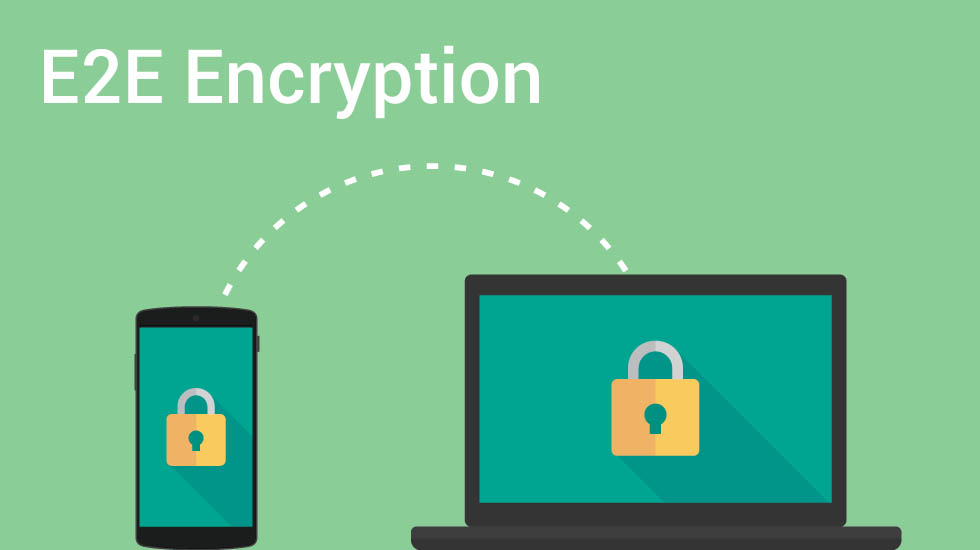
The problem isn't End-to-End Encryption
Share
Facebook Twitter LinkedIn Email Copy Link
Quick AI Summary
ChatGPTClaudeGeminiGrokPerplexityDeepSeekCopilot

There has been lots of discussion in the past two weeks, which is sure to continue; about the role that end-to-end encryption plays in criminal and terrorist activity around the world. One of the common misconceptions in these stories is that end-to-end encryption technology can effectively allow people to ‘go dark’ and communicate invisibly. In the below comment Jonathan Parker-Bray, CEO of Criptyque, makers of the newly launched, secure communications solution Pryvate, explains why this is not the case and proposes a radically different approach for addressing malicious mobile phone use in the UK.

[su_note note_color=”#ffffcc” text_color=”#00000″]Jonathan Parker-Bray, CEO of Criptyque, Makers of Pryvate :

Following the saddening events in Paris, the debate on end-to-end encryption has intensified. Many people in governments and the media are calling end-to-end encryption to task and saying that once these apps are installed on people’s devices, that these people ‘go dark’ and become invisible.

The fact is that this is untrue, there will always be meta-data available to law enforcement such as what number called what other number and which devices are communicating. This is generated because of the nature of the mobile phone networks and the internet, whereby this information is required to connect the devices in the first place and therefore it cannot be obfuscated or hidden, even for encrypted communications solutions. The real issue is that often this data is meaningless due to the ability of malicious actors to purchase disposable mobile devices freely. It allows anyone who wishes to make a secure call to buy a ‘burner phone’ with cash and discard it immediately afterwards.

Rather than weakening encryption, which will harm secure communications for the public and businesses by creating a backdoor that allows the content to be decrypted, what is needed is a national internet-device database which keeps a record of the purchaser/owner of every internet-enabled device. This would also include legislation on the supply of these devices which requires purchasers and re-sellers to record the ID of the purchaser and forces mobile operators/ISPs to require a license number before providing connectivity services. This would be a similar national licensing service to the one applied to cars/TVs, simply requiring registration for any that is in use in the country. By using this data, law enforcement would be able to obtain the paper trail they are hoping for, and draw connections when persons of interest communicate. It would also remove the capabilities for terrorists and criminal gangs to use burner phones and communicate freely over the telephone.

Interestingly there is precedent for this approach as the government has always placed restrictions and regulations on other devices capable of transmission of content, like TV and radio stations. If we look back to the radio and television eras, any device capable of broadcasting to a large number of people was regulated and licensed – so why should internet-enabled devices be any different?

A mobile phone, a tablet or a laptop in a digital society has the power to send a message to anyone anywhere in the world, and it is possible to find the originating device. It is perfectly reasonable for the police to be able to track who sent it, or who is talking to whom, but the answer isn’t access to the content en masse, it is better knowledge of the devices themselves. This proposed solution would enable tracking and group chat identification and is surely a much stronger and more robust solution than attempting to monitor the masses when in fact it’s the few that need this level of control.[/su_note]

[su_box title=”Jonathan Parker-Bray, CEO at Criptyque, Makers of Pryvate” style=”noise” box_color=”#336588″]PryvateJonathan Parker-Bray, is CEO at Criptyque, makers of Pryvate. Pryvate is the only fully secure mobile platform that allows all business and personal communications to remain private and free from hacking. Pryvate’s Triple Layered RSA 4096, AES 256 and Dh encryption and industry leading encrypted architecture ensures it is impossible to leak or hack into its users’ email, Instant messages, video and voice calls.

The Pryvate platform consists of three products: Pryvate, Pryvate Premium and Pryvate Enterprise. Pryvate Consumer is a network agnostic app that provides totally secure communication services available across voice calls, conference calls, video calls, instant messenger and email at a low cost. Pryvate Premium adds anti-blocking and secure file storage, GUI multi-account management tools, on line support that provides companies with truly secure accounts for their employees. Pryvate Enterprise provides users with a secure IP desktop phone to ensure all voice and video calls remain private plus the advantages of Pryvate Premium.

Pryvate was founded by CEO Jonathan Parker-Bray and is fully owned by Criptyque Limited, a privately held company incorporated in Jersey, placing it outside the jurisdiction of the United Kingdom.[/su_box]

ISBuzz Team
  • ISBuzz Team
    Air Canada Data Breach: BianLian Extortion Group Claims A Massive Heist Contrary To Airline’s Earlier Statement
  • ISBuzz Team
    Unprecedented DDoS Attack Rocks The Web: Tech Giants Reveal A Digital Tsunami
  • ISBuzz Team
    CISA Flags High-Severity Adobe Acrobat Reader Flaw Amid Active Exploits
  • ISBuzz Team
    Curl Security Alert: Patching A Critical Bug Averting Potential Cyber Catastrophe

The opinions expressed in this post belong to the individual contributors and do not necessarily reflect the views of Information Security Buzz.

Share. Facebook Twitter LinkedIn Email Copy Link

Related Posts

Visual data is the blind spot in enterprise security: that’s about to change

May 4, 20267 Mins Read

Making stolen data worthless: why security must start with the data

March 30, 20265 Mins Read

Meta’s Smart Glasses Privacy Scandal Expands After Sama Credentials Found on the Dark Web

March 10, 20264 Mins Read
ISB-Bora-Side-Bar

No se ha podido establecer conexión. Error 429

 
ISB-Bora-Side-Bar
Black ISB Logo

Information Security Buzz is an independent resource that provides the experts’ comments, analysis, and opinion on the latest Cybersecurity news and topics

X (Twitter) LinkedIn Facebook RSS

Working With Us

  • About Us
  • Advertise With Us
  • Contact Us

Write For Us

  • How To Contribute

The Pages

  • Privacy Policy
  • Cookie Policy
  • AI Policy
  • Terms & Conditions
  • Copyright Notice

Information Security Buzz and all its contents are copyright © 2014-2025. All rights reserved. All third-party trademarks are recognized.

Type above and press Enter to search. Press Esc to cancel.

Manage Consent
To provide the best experiences, we use technologies like cookies to store and/or access device information. Consenting to these technologies will allow us to process data such as browsing behavior or unique IDs on this site. Not consenting or withdrawing consent, may adversely affect certain features and functions.
Functional Always active
The technical storage or access is strictly necessary for the legitimate purpose of enabling the use of a specific service explicitly requested by the subscriber or user, or for the sole purpose of carrying out the transmission of a communication over an electronic communications network.
Preferences
The technical storage or access is necessary for the legitimate purpose of storing preferences that are not requested by the subscriber or user.
Statistics
The technical storage or access that is used exclusively for statistical purposes. The technical storage or access that is used exclusively for anonymous statistical purposes. Without a subpoena, voluntary compliance on the part of your Internet Service Provider, or additional records from a third party, information stored or retrieved for this purpose alone cannot usually be used to identify you.
Marketing
The technical storage or access is required to create user profiles to send advertising, or to track the user on a website or across several websites for similar marketing purposes.
  • Manage options
  • Manage services
  • Manage {vendor_count} vendors
  • Read more about these purposes
View preferences
  • {title}
  • {title}
  • {title}