


Using a VPN is essential to access a network securely. This article explains VPNs, what VPNs do, and why you should use VPNs on your mobile devices, especially iPhones. It also discusses the 5 best VPNs for iPhone so you can have a secure and private browsing experience while having the ability to unblock restricted content.
The digital space you access with your devices at home and work is not completely safe. With the rising cybercrimes, corporate espionage, and identity theft cases making headlines worldwide, you need to take every step to ensure that your digital lives are safe. Here comes the role of Virtual Private Networks, or VPNs. A VPN can help you unblock regional content and provide you with access to restricted websites/services. Instead of using unsecured public networks, which may be continuously monitored, it is better to invest in an excellent VPN that can provide security, enhanced access, and better privacy.
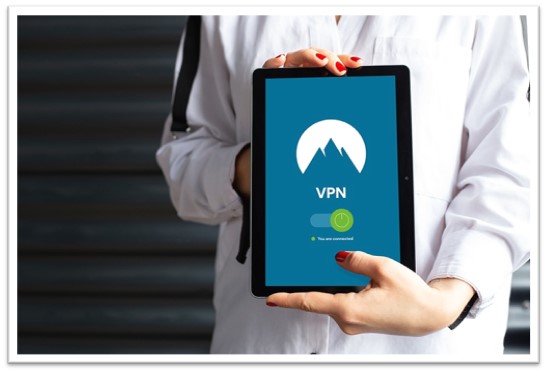
(Image Source: Pixabay.com)
Understanding VPN on iPhone
What is a VPN on iPhone?
As its name suggests, a VPN or ‘Virtual Private Network’ on iPhone is a service that establishes protected network connections. When using the Internet, a VPN can encrypt all network traffic and help conceal your identity, making it challenging for third parties or threat actors to track your Internet connections, protecting you against various cyber threats such as data or identity theft.
What exactly does VPN do?
A VPN on iPhone works in real-time by hiding your IP (Internet Protocol) address. All your network traffic is redirected via specialized remote servers of the VPN host. So no one will ever know that you are behind the traffic and only discover the VPN as the source of all the network data.
By masking your IP address, VPNs provide security by hiding your Internet activity from your ISP (Internet Service Provider) and everyone else, but also allow anonymity while accessing restricted services and geographically locked content. Let us see what a VPN can do for your mobile devices.
Why Use VPN on Mobile Phones
Here are the top reasons you should use a VPN on your mobile phone.
- Privacy: VPNs provide online privacy. No one wants their Internet activities, identity, or data to be captured by third parties or cyber criminals. Using a VPN delivers privacy via encrypted connections. Public WiFi networks can open you to malicious actors who wish to steal your data, so a VPN can help you stay safe by masking your IP.
- Security: VPNs create a private network where your network traffic and data appear to come from the VPN host, i.e., your ISPs cannot track your online activities. Furthermore, VPNs also encrypt critical network traffic, such as your internet history, which means that even if third parties somehow manage to access your data, it will be encrypted and useless for them, adding another layer of protection for your device.
- Unblocking Restricted Controls: Unblocking restricted controls is a major advantage that VPNs provide. VPNs effectively overcome content blocks as VPN hosts offer multiple locations, allowing you to access restricted data regardless of location, IP address, DPI (Deep Packet Inspection), or other network identification methods.
- Uninterrupted Streaming: VPNs also allow you to enjoy uninterrupted streaming. With entertainment content such as movies, TV shows, and sports content filtered censored to locations and advertisements, you can use a VPN for on-demand and private streaming, using global streams without buffering or throttling.
- Accessing Corporate Network During WFH: Accessing corporate networks at home is crucial since even a small gap in security can compromise the organizational network and open it up to data theft, malware, breaches, and much more. A business VPN creates controlled paths by providing encrypted data security, remote access, and privacy.
- Cost-effective means for data and privacy protection: VPNs enable you to connect to worldwide servers without leaving yours. Furthermore, VPNs create a private network and encrypt your data without additional tools or protocols, thus saving you a ton of money.
VPN on iPhone
Hackers are known to target Android devices more, but that does not mean that iPhone users do not need to use VPN. Did you know that 52% of VPN users own iPhones or iOS devices as opposed to just 37% of Android devices?
Do you need to use a VPN on iPhone?
Apple iPhones are considered to have better security than Android devices but are not hackproof. Any mobile device is open to threat actors or eavesdroppers as mobile devices use multiple cellular connections and continuously connect to various WiFi networks. If you want your private data to remain secure or wish to hide your Internet activity, you should use a VPN for your iPhone. An iPhone VPN will allow you to access blocked websites, change your geographical IP, and ensure anonymity.
How to Setup a VPN on iPhone?
You can easily set up a VPN on your iPhone by following these simple steps:
- Choose a VPN application or service from the App Store and download it.
- When you open the application, it will ask you for permission to add VPN configuration to your iPhone.
- Tap Allow and verify the addition of the VPN configuration using your passcode, Touch ID, or Face ID, which is automatically added.
You can also see your iPhone’s VPN profiles by navigating to Settings > General > VPN & Device Management
5 Best iPhone VPNs in 2022
There are many VPNs available on the App Store. Here are the best 5 iPhone VPNs in 2022:
- Nord VPN: Nord VPN is one of the best iPhone VPNs with AES-256 encryption and double-VPN, encrypting your data via multiple servers, offering the best customer service and strict logging policy.
- SurfShark VPN: SurfShark is among the most reliable iPhone VPNs for streaming services such as Netflix, Sports, Prime Video, and more. SurfShark VPN provides split tunneling allowing you to manage which iPhone traffic goes through the VPN and which has direct access.
- ExpressVPN: ExpressVPN is one of the top iPhone VPN choices that is considered one of the fastest VPNs, providing a solid security suite, minimal logging, and more than 3,000 servers in over 150 countries.
- VPN Proxy Master – Unlimited: If you are looking for a free VPN that you can use on your iPhone to access restricted sites and content, VPN Proxy Master Unlimited can also be a considerable choice, allowing you to connect to any WiFi without worrying about threat actors intercepting your connection.
- IPVanish: IPVanish is another excellent VPN for iPhone users that provides a customizable application with over 2000 servers in over 75 locations worldwide. IPVanish provides unmetered connections so you can use one subscription on multiple devices and has a strict no-logs policy.
Final Words
Using an iPhone VPN can provide a protected online experience and access to restricted websites, movies, TV shows, and other streams so you can work around censored content in your region. When looking for VPNs, especially iPhones, one crucial thing to remember is not to rely on any third-party app trying to lure you into downloading it by offering it for free. More often than not, such apps do not provide a secure gateway to the Internet or have adequate resources to ensure your identity remains protected. Thus, it makes sense to only stick to reliable VPN vendors who have been there for years and have established a name for themselves in the market.
References
- Hodge, R. (2022, August 13). Best iPhone VPN of 2022. Retrieved August 17, 2022, from CNET website: https://www.cnet.com/tech/services-and-software/best-iphone-vpn/
- Vigderman, A., & Turner, G. (2020, February 6). The best VPN for iPhones in 2022. Retrieved August 17, 2022, from Security.org website: https://www.security.org/vpn/best/iphone/
- What is VPN? How it works, types of VPN. (2022, May 16). Retrieved August 17, 2022, from www.kaspersky.com website: https://www.kaspersky.com/resource-center/definitions/what-is-a-vpn
- Wolfe, B. M. (2022, August 4). How to configure VPN on iPhone or iPad. Retrieved August 17, 2022, from iMore website: https://www.imore.com/how-configure-vpn-access-your-iphone-or-ipad

The opinions expressed in this post belong to the individual contributors and do not necessarily reflect the views of Information Security Buzz.