


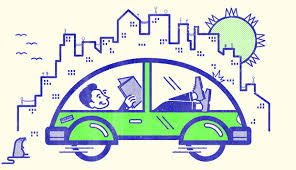
A new report from the Institution of Engineering and Technology (IET) and the Knowledge Transfer Network (KTN) calls for greater industry collaboration and transparency in developing connected and driverless cars. This will help ensure that future autonomous vehicles are safe from cyber threats.
Cars are already more ‘intelligent’: driver assistance systems, alerts and notifications, cameras and in-vehicle decision support systems are already commonplace. Over the coming years, connected technologies between both vehicles themselves and the transport infrastructure will become an integral feature of the global car market, worth €39bn to the market by 2018. The increasing use of connectivity in and between cars has put pressure on manufacturers and consumers to ensure connected systems remain safe.
Webinar By Duo Security: Securing Apps and Data in the Cloud and On-Premises (March 11, 2015 at 10 am PST / 1 pm EST)
Automotive Cyber Security reviews the progress made in developing technology like driverless cars, identifying possible cyber security vulnerabilities and highlighting how a number of manufacturers in the automotive industry are responding to fears that cars of the future could be ‘hacked’.
This review, based on research and consultation with industry, outlines a number of potential issues and threats including:
1. personal data theft
2. fraud and deception (altering or deleting schedule logs and records)
3. freight and goods theft
4. automotive ‘hacktivism’ – cyber infiltration of a vehicle’s systems that is politically or ideologically motivated
5. immobilisation
6. inflicting disruption, damage and even injury out of spite
Looking at the trends in connected and autonomous transportation, the report also identifies the potential benefits – including safer, more efficient transport and a potential boon for car sales due to new selling points.
The report, intended to stimulate informed discussion about this topic, recommends:
– further consultation between the automotive industry and other industries already addressing cyber security challenges so that lessons can be learned and technologies transferred
– supporting the development of professional disciplines focussed on addressing automotive cyber security and autonomous vehicles
– continued and more in-depth research into – and analysis of – issues like driver responsibility and attributing liability for connected, autonomous vehicles and in cyber security incidents
Dr Mike Short CBE from IET said:
“Connected vehicles will significantly transform our driving experiences by making travel safer, more comfortable and efficient.
“Cars are becoming connected to the web via wireless for emergency rescue, and navigation services. However, this raises new challenges for connected cars – and those in and around them – that may become exposed to potential risks from online threats.
“It is vital that the digital benefits and security are designed into the vehicle in ways that are both trusted and understood by users.”
Commenting on the report, KTN Head of Transport Tessa Darley said:
“Part of the process of developing smart, connected and ultimately autonomous transport systems is addressing the issue of cyber security. We need a rational approach that has at its heart transparent dialogue between everyone in the industry and people outside who have addressed similar challenges elsewhere.
“Connected, driverless cars have the potential to revolutionise how we travel. Lessons learned in developing autonomous technology for cars should be shared and applied to other modes of transport. Transferring knowledge at every stage is key – and KTN looks forward to helping make sure that happens.”
The full report is available on both the IET and KTN websites.
About IET
 Interview opportunities are available with IET spokespeople from a broad range of engineering and technology disciplines including cyber security, energy, engineering skills, innovation, manufacturing, technology, transport and women in engineering. The IET is one of the world’s largest engineering institutions with nearly 160,000 members in 127 countries. It is also the most multidisciplinary – to reflect the increasingly diverse nature of engineering in the 21st century. Energy, transport, manufacturing, information and communications, and the built environment: the IET covers them all. The IET is working to engineer a better world by inspiring, informing and influencing its members, engineers and technicians, and all those who are touched by, or touch, the work of engineers. IET wants to build the profile of engineering and change outdated perceptions about engineering in order to tackle the skills gap. This includes encouraging more women to become engineers and growing the number of engineering apprentices.
About KTN
 KTN is the UK’s innovation network. It brings together businesses, entrepreneurs, academics and funders to develop new products, processes and services. KTN members cover all significant sectors of the economy – from advanced materials and nanotechnology to the creative industries and design. KTN is free to join and was established by Innovate UK to help nurture, develop and scale up innovation within business.

The opinions expressed in this post belong to the individual contributors and do not necessarily reflect the views of Information Security Buzz.