

Close Menu
  • Home
  • Articles
    • Attacks
      • BEC
      • Data Breach
      • DDoS
      • Evasion Attacks
      • Injection
      • Malware
      • MITM
      • Phishing
      • Ransomware
      • RCE
      • Social Engineering
      • Spoofing
      • Spyware
    • Business and Policy
      • BCP and DRP
      • GRC
      • Regulations
    • Data Protection
      • DLP
      • DRM
      • Encryption
      • IAM
    • Future, Trends and Insight
      • AI
      • Events & Community
      • Emerging Tech
      • Expert Panel
      • Interviews With Experts
      • Insights
      • Study & Research
    • Resources
      • Guides
      • Tools
      • Training & Education
    • Security
      • API
      • Apps
      • Cloud
      • Critical Infrastructure
      • Endpoint
      • Hardware
      • IoT
      • Mobile
      • Network
      • OT
      • Port Security
      • Security Architecture
      • Software Development
      • Supply Chain
      • Zero Trust
    • Threats and Vulnerabilities
      • Emerging Threats
      • Insider Threats
      • Risk Management
      • Threat Intelligence
      • Zero Day
  • News and Exclusives
    • Latest News
    • ISB Exclusive
    • Positive News
  • Who We Are
    • About Us
    • Information Security Buzz Expert Panel​
    • Write for Us
    • Media Pack
  • Contact Us
  • Newsletter
Facebook X (Twitter) LinkedIn
Information Security BuzzInformation Security Buzz
  • Home
  • Articles
    • Attacks
      • BEC
      • Data Breach
      • DDoS
      • Evasion Attacks
      • Injection
      • Malware
      • MITM
      • Phishing
      • Ransomware
      • RCE
      • Social Engineering
      • Spoofing
      • Spyware
    • Business and Policy
      • BCP and DRP
      • GRC
      • Regulations
    • Data Protection
      • DLP
      • DRM
      • Encryption
      • IAM
    • Future, Trends and Insight
      • AI
      • Events & Community
      • Emerging Tech
      • Expert Panel
      • Interviews With Experts
      • Insights
      • Study & Research
    • Resources
      • Guides
      • Tools
      • Training & Education
    • Security
      • API
      • Apps
      • Cloud
      • Critical Infrastructure
      • Endpoint
      • Hardware
      • IoT
      • Mobile
      • Network
      • OT
      • Port Security
      • Security Architecture
      • Software Development
      • Supply Chain
      • Zero Trust
    • Threats and Vulnerabilities
      • Emerging Threats
      • Insider Threats
      • Risk Management
      • Threat Intelligence
      • Zero Day
  • News and Exclusives
    • Latest News
    • ISB Exclusive
    • Positive News
  • Who We Are
    • About Us
    • Information Security Buzz Expert Panel​
    • Write for Us
    • Media Pack
  • Contact Us
  • Newsletter
Subscribe
Information Security BuzzInformation Security Buzz
Home - Articles - Consumers Are In Denial About Their Own Online Security
Articles

Consumers Are In Denial About Their Own Online Security

ISB Editorial StaffBy ISB Editorial StaffFebruary 25, 2015Updated:July 4, 20243 Mins Read
Share LinkedIn Twitter Facebook Copy Link Email
Password
Share
Facebook Twitter LinkedIn Email Copy Link
Quick AI Summary
ChatGPTClaudeGeminiGrokPerplexityDeepSeekCopilot

Recent independent research[1] commissioned by Ping Identity®, the Identity Security Company™, has revealed the disconnect between perception and reality when it comes to password and identity safety online. Despite the fact the last two years alone saw about 10 million online records in the UK affected by security breaches[2], nearly three-quarters of respondents (72%) believe they’ve never had the security of their online accounts compromised.

Free eBook: Modern Retail Security Risk – Get your copy now.

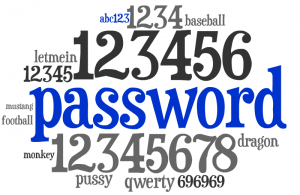
Those surveyed also over-estimate the difficulty of their passwords. Nearly 80% believed that their passwords were difficult for others to guess. This is especially alarming as the top three passwords of 2014 were surveyed to be “123456”, “password” and “12345”[3].

In response to companies enforcing stricter guidelines on password creation, more than half of respondents (63%) found it difficult to remember all their online passwords. The top techniques respondents used to remember their passwords include:

1. Writing them down in a notebook

2. Entering passwords as a contact in their mobile phone

3. Using an online password manager

4. Keeping passwords listed in an Excel spreadsheet

5. Writing passwords on a sticky note taped to the computer monitor or keyboard

 An alarming number of respondents admitted to following risky password habits. A third (31%) have shared their passwords to personal online accounts with other people. Half (49%) noted that they use the same password across multiple websites, putting multiple online access points at risk if one is ever breached.

“By now organisations should be aware that passwords are passé when it comes to effectively protecting their customers’ data and identities.” said Jason Goode, Managing Director – EMEA, at Ping Identity.

“These findings show that consumers are their own worst enemy online and organisations needs to be more vigilant in protecting their customers not only from hackers, but also from themselves. Organisations are essentially relying on an archaic practice to keep data safe. By deploying systems that centre on a consumer’s identity, organisations can ensure that their employees and customers don’t fall victim to risky password habits and human error.”

ping logoAbout Ping Identity | The Identity Security Company
Ping Identity is the pioneer and largest independent provider of next generation identity security solutions, with more than 1,200 customers worldwide, including half of the Fortune 100. Ping Identity is transforming the way hundreds of millions of people live and work every day by making their apps more convenient and secure to access from any device, anywhere. Visit pingidentity.com for more information.


[1] Research undertaken by YouGov. 2,235 consumers were surveyed in January 2015

[2] Breach Level Index, http://www.breachlevelindex.com/index.html?utm_source=bli-pr-20141112&utm_medium=press-release&utm_campaign=breach-level-index#sthash.7p1HZEe5.nWiDjY0H.dpbs

[3] Splash Data, ‘”123456″ Maintains the Top Spot on SplashData’s Annual “Worst Passwords” List’: http://splashdata.com/press/worst-passwords-of-2014.htm

ISB Editorial Staff
  • ISB Editorial Staff
    Navigating the Cyber Threat Landscape: Key Insights from Trellix ARC’s Q1 2023 Report
  • ISB Editorial Staff
    Experts’ Responses: Cyber Security Predictions 2022
  • ISB Editorial Staff
    ISB Virtual Conference: Key Cyber Security Challenges and Solutions in 2021
  • ISB Editorial Staff
    Cyber Security Predictions 2021: Experts’ Responses

The opinions expressed in this post belong to the individual contributors and do not necessarily reflect the views of Information Security Buzz.

Share. Facebook Twitter LinkedIn Email Copy Link

Related Posts

The Real Cost of Inconsistent Third-Party Access

December 18, 20255 Mins Read

What Happens When Devices Cross Borders? The Role of Geofencing in Global IT

August 7, 20256 Mins Read

The Evolving Importance of Identity Governance in FinTech

July 10, 20258 Mins Read
ISB-Bora-Side-Bar

No se ha podido establecer conexión. Error 429

 
ISB-Bora-Side-Bar
Black ISB Logo

Information Security Buzz is an independent resource that provides the experts’ comments, analysis, and opinion on the latest Cybersecurity news and topics

X (Twitter) LinkedIn Facebook RSS

Working With Us

  • About Us
  • Advertise With Us
  • Contact Us

Write For Us

  • How To Contribute

The Pages

  • Privacy Policy
  • Cookie Policy
  • AI Policy
  • Terms & Conditions
  • Copyright Notice

Information Security Buzz and all its contents are copyright © 2014-2025. All rights reserved. All third-party trademarks are recognized.

Type above and press Enter to search. Press Esc to cancel.

Manage Consent
To provide the best experiences, we use technologies like cookies to store and/or access device information. Consenting to these technologies will allow us to process data such as browsing behavior or unique IDs on this site. Not consenting or withdrawing consent, may adversely affect certain features and functions.
Functional Always active
The technical storage or access is strictly necessary for the legitimate purpose of enabling the use of a specific service explicitly requested by the subscriber or user, or for the sole purpose of carrying out the transmission of a communication over an electronic communications network.
Preferences
The technical storage or access is necessary for the legitimate purpose of storing preferences that are not requested by the subscriber or user.
Statistics
The technical storage or access that is used exclusively for statistical purposes. The technical storage or access that is used exclusively for anonymous statistical purposes. Without a subpoena, voluntary compliance on the part of your Internet Service Provider, or additional records from a third party, information stored or retrieved for this purpose alone cannot usually be used to identify you.
Marketing
The technical storage or access is required to create user profiles to send advertising, or to track the user on a website or across several websites for similar marketing purposes.
  • Manage options
  • Manage services
  • Manage {vendor_count} vendors
  • Read more about these purposes
View preferences
  • {title}
  • {title}
  • {title}