

Close Menu
  • Home
  • Articles
    • Attacks
      • BEC
      • Data Breach
      • DDoS
      • Evasion Attacks
      • Injection
      • Malware
      • MITM
      • Phishing
      • Ransomware
      • RCE
      • Social Engineering
      • Spoofing
      • Spyware
    • Business and Policy
      • BCP and DRP
      • GRC
      • Regulations
    • Data Protection
      • DLP
      • DRM
      • Encryption
      • IAM
    • Future, Trends and Insight
      • AI
      • Events & Community
      • Emerging Tech
      • Expert Panel
      • Interviews With Experts
      • Insights
      • Study & Research
    • Resources
      • Guides
      • Tools
      • Training & Education
    • Security
      • API
      • Apps
      • Cloud
      • Critical Infrastructure
      • Endpoint
      • Hardware
      • IoT
      • Mobile
      • Network
      • OT
      • Port Security
      • Security Architecture
      • Software Development
      • Supply Chain
      • Zero Trust
    • Threats and Vulnerabilities
      • Emerging Threats
      • Insider Threats
      • Risk Management
      • Threat Intelligence
      • Zero Day
  • News and Exclusives
    • Latest News
    • ISB Exclusive
    • Positive News
  • Who We Are
    • About Us
    • Information Security Buzz Expert Panel​
    • Write for Us
    • Media Pack
  • Contact Us
  • Newsletter
Facebook X (Twitter) LinkedIn
Information Security BuzzInformation Security Buzz
  • Home
  • Articles
    • Attacks
      • BEC
      • Data Breach
      • DDoS
      • Evasion Attacks
      • Injection
      • Malware
      • MITM
      • Phishing
      • Ransomware
      • RCE
      • Social Engineering
      • Spoofing
      • Spyware
    • Business and Policy
      • BCP and DRP
      • GRC
      • Regulations
    • Data Protection
      • DLP
      • DRM
      • Encryption
      • IAM
    • Future, Trends and Insight
      • AI
      • Events & Community
      • Emerging Tech
      • Expert Panel
      • Interviews With Experts
      • Insights
      • Study & Research
    • Resources
      • Guides
      • Tools
      • Training & Education
    • Security
      • API
      • Apps
      • Cloud
      • Critical Infrastructure
      • Endpoint
      • Hardware
      • IoT
      • Mobile
      • Network
      • OT
      • Port Security
      • Security Architecture
      • Software Development
      • Supply Chain
      • Zero Trust
    • Threats and Vulnerabilities
      • Emerging Threats
      • Insider Threats
      • Risk Management
      • Threat Intelligence
      • Zero Day
  • News and Exclusives
    • Latest News
    • ISB Exclusive
    • Positive News
  • Who We Are
    • About Us
    • Information Security Buzz Expert Panel​
    • Write for Us
    • Media Pack
  • Contact Us
  • Newsletter
Subscribe
Information Security BuzzInformation Security Buzz
Home - Study & Research - Every Third Company Uses Mobile Devices for Financial Transactions
Study & Research

Every Third Company Uses Mobile Devices for Financial Transactions

ISBuzz TeamBy ISBuzz TeamDecember 17, 20153 Mins Read
Share LinkedIn Twitter Facebook Copy Link Email
Every Third Company Uses Mobile Devices for Financial Transactions
Share
Facebook Twitter LinkedIn Email Copy Link
Quick AI Summary
ChatGPTClaudeGeminiGrokPerplexityDeepSeekCopilot

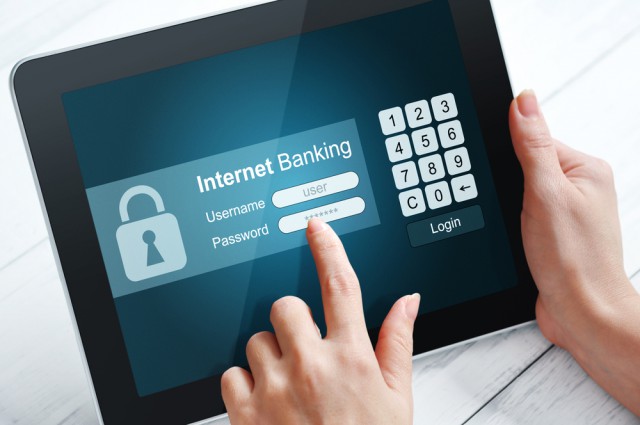
Did you know that one in every two top managers pay money into corporate accounts via a mobile banking app? Following the recent joint survey conducted by Kaspersky Lab and B2B International, it was also discovered that over 30 per cent of companies use mobile devices to access corporate bank accounts and to make financial transactions.

The survey concluded that business representatives were increasingly making financial transactions with the help of mobile devices. In particular, 28 per cent of small and medium companies, and 34 per cent of enterprises, conducted financial transactions via mobile devices. And it is not just those in financial departments (63 per cent) but also top managers (54 per cent) and even ordinary employees (8 per cent) that freely make corporate financial transactions via mobile apps.

The growing use of mobile devices for corporate banking could be putting company funds at risk, as mobile cyber-threats have become much more widespread in recent years and are just as dangerous as computer-based threats. Hackers are also increasingly targeting mobile platforms. In fact, in the third quarter of 2015, Kaspersky Lab products for mobile devices detected more than 300,000 new malicious programs. Of these, the highest growth rates were demonstrated by a Trojan-Banker designed to steal credentials to Internet banking and e-payment systems, as well as credit or debit card data. The share of this type of malware increased from 0.6 per cent (630 programs) in the second quarter to 1.5 per cent (2500 programs) in the third quarter.

“The trend shows a continual increase in mobile banking usage by corporate banking clients. This trend is certain to continue as corporate and consumer banking clients alike migrate to the convenience of mobile banking. This creates an operational imperative for banks to very carefully consider the security and fraud prevention approaches they need to take in order to adequately ensure secure mobile banking applications, protect confidential customer data, and guard high-value corporate customer transactions. All users of mobile banking services, corporate and consumer, must also be vigilant about their own security and behaviour while also questioning their bank about the measures taken to ensure their safety,“says Ross Hogan, Head of SafeMoney Business Development, Kaspersky Fraud Prevention, Kaspersky Lab.

Kaspersky Lab’s portfolio offers a wide range of solutions to ensure reliable multi-layered protection of the corporate IT infrastructure, including Kaspersky Security for Mobile. Especially for representatives of the banking sector, Kaspersky Lab offers Kaspersky Fraud Prevention SDK – a set of tools that can be used to create and configure safe mobile applications that meet information security requirements.

[su_box title=”About Kaspersky Lab” style=”noise” box_color=”#336588″]Kaspersky LabKaspersky Lab is one of the world’s fastest-growing cybersecurity companies and the largest that is privately-owned. The company is ranked among the world’s top four vendors of security solutions for endpoint users (IDC, 2014). Since 1997 Kaspersky Lab has been an innovator in cybersecurity and provides effective digital security solutions and threat intelligence for large enterprises, SMBs and consumers. Kaspersky Lab is an international company, operating in almost 200 countries and territories across the globe, providing protection for over 400 million users worldwide.[/su_box]

ISBuzz Team
  • ISBuzz Team
    Air Canada Data Breach: BianLian Extortion Group Claims A Massive Heist Contrary To Airline’s Earlier Statement
  • ISBuzz Team
    Unprecedented DDoS Attack Rocks The Web: Tech Giants Reveal A Digital Tsunami
  • ISBuzz Team
    CISA Flags High-Severity Adobe Acrobat Reader Flaw Amid Active Exploits
  • ISBuzz Team
    Curl Security Alert: Patching A Critical Bug Averting Potential Cyber Catastrophe

The opinions expressed in this post belong to the individual contributors and do not necessarily reflect the views of Information Security Buzz.

Share. Facebook Twitter LinkedIn Email Copy Link

Related Posts

Exploited Faster, Patched Slower: Verizon DBIR 2026 Shows Security Teams Losing Ground

May 20, 20265 Mins Read

Security’s Blind Spot: The Threats Hiding in “Low-Severity” Alerts

May 6, 20265 Mins Read

Why OSINT deserves the same status as other intelligence disciplines

March 17, 20266 Mins Read
ISB-Bora-Side-Bar

No se ha podido establecer conexión. Error 429

 
ISB-Bora-Side-Bar
Black ISB Logo

Information Security Buzz is an independent resource that provides the experts’ comments, analysis, and opinion on the latest Cybersecurity news and topics

X (Twitter) LinkedIn Facebook RSS

Working With Us

  • About Us
  • Advertise With Us
  • Contact Us

Write For Us

  • How To Contribute

The Pages

  • Privacy Policy
  • Cookie Policy
  • AI Policy
  • Terms & Conditions
  • Copyright Notice

Information Security Buzz and all its contents are copyright © 2014-2025. All rights reserved. All third-party trademarks are recognized.

Type above and press Enter to search. Press Esc to cancel.

Manage Consent
To provide the best experiences, we use technologies like cookies to store and/or access device information. Consenting to these technologies will allow us to process data such as browsing behavior or unique IDs on this site. Not consenting or withdrawing consent, may adversely affect certain features and functions.
Functional Always active
The technical storage or access is strictly necessary for the legitimate purpose of enabling the use of a specific service explicitly requested by the subscriber or user, or for the sole purpose of carrying out the transmission of a communication over an electronic communications network.
Preferences
The technical storage or access is necessary for the legitimate purpose of storing preferences that are not requested by the subscriber or user.
Statistics
The technical storage or access that is used exclusively for statistical purposes. The technical storage or access that is used exclusively for anonymous statistical purposes. Without a subpoena, voluntary compliance on the part of your Internet Service Provider, or additional records from a third party, information stored or retrieved for this purpose alone cannot usually be used to identify you.
Marketing
The technical storage or access is required to create user profiles to send advertising, or to track the user on a website or across several websites for similar marketing purposes.
  • Manage options
  • Manage services
  • Manage {vendor_count} vendors
  • Read more about these purposes
View preferences
  • {title}
  • {title}
  • {title}