

Close Menu
  • Home
  • Articles
    • Attacks
      • BEC
      • Data Breach
      • DDoS
      • Evasion Attacks
      • Injection
      • Malware
      • MITM
      • Phishing
      • Ransomware
      • RCE
      • Social Engineering
      • Spoofing
      • Spyware
    • Business and Policy
      • BCP and DRP
      • GRC
      • Regulations
    • Data Protection
      • DLP
      • DRM
      • Encryption
      • IAM
    • Future, Trends and Insight
      • AI
      • Events & Community
      • Emerging Tech
      • Expert Panel
      • Interviews With Experts
      • Insights
      • Study & Research
    • Resources
      • Guides
      • Tools
      • Training & Education
    • Security
      • API
      • Apps
      • Cloud
      • Critical Infrastructure
      • Endpoint
      • Hardware
      • IoT
      • Mobile
      • Network
      • OT
      • Port Security
      • Security Architecture
      • Software Development
      • Supply Chain
      • Zero Trust
    • Threats and Vulnerabilities
      • Emerging Threats
      • Insider Threats
      • Risk Management
      • Threat Intelligence
      • Zero Day
  • News and Exclusives
    • Latest News
    • ISB Exclusive
    • Positive News
  • Who We Are
    • About Us
    • Information Security Buzz Expert Panel​
    • Write for Us
    • Media Pack
  • Contact Us
  • Newsletter
Facebook X (Twitter) LinkedIn
Information Security BuzzInformation Security Buzz
  • Home
  • Articles
    • Attacks
      • BEC
      • Data Breach
      • DDoS
      • Evasion Attacks
      • Injection
      • Malware
      • MITM
      • Phishing
      • Ransomware
      • RCE
      • Social Engineering
      • Spoofing
      • Spyware
    • Business and Policy
      • BCP and DRP
      • GRC
      • Regulations
    • Data Protection
      • DLP
      • DRM
      • Encryption
      • IAM
    • Future, Trends and Insight
      • AI
      • Events & Community
      • Emerging Tech
      • Expert Panel
      • Interviews With Experts
      • Insights
      • Study & Research
    • Resources
      • Guides
      • Tools
      • Training & Education
    • Security
      • API
      • Apps
      • Cloud
      • Critical Infrastructure
      • Endpoint
      • Hardware
      • IoT
      • Mobile
      • Network
      • OT
      • Port Security
      • Security Architecture
      • Software Development
      • Supply Chain
      • Zero Trust
    • Threats and Vulnerabilities
      • Emerging Threats
      • Insider Threats
      • Risk Management
      • Threat Intelligence
      • Zero Day
  • News and Exclusives
    • Latest News
    • ISB Exclusive
    • Positive News
  • Who We Are
    • About Us
    • Information Security Buzz Expert Panel​
    • Write for Us
    • Media Pack
  • Contact Us
  • Newsletter
Subscribe
Information Security BuzzInformation Security Buzz
Home - Articles - Android Ransomware: Four-Fold Increase In Number Of Users Attacked In One Year
Articles

Android Ransomware: Four-Fold Increase In Number Of Users Attacked In One Year

ISBuzz TeamBy ISBuzz TeamJuly 1, 2016Updated:July 4, 20244 Mins Read
Share LinkedIn Twitter Facebook Copy Link Email
Share
Facebook Twitter LinkedIn Email Copy Link
Quick AI Summary
ChatGPTClaudeGeminiGrokPerplexityDeepSeekCopilot

The number of users attacked by ransomware targeting Android-based devices has increased four-fold in just one year, hitting at least 136,000 users globally. A report on the ransomware threat landscape, conducted by Kaspersky Lab, also found that the majority of attacks are based on only four groups of malware. The report covers a full two-year period which, for reasons of comparison, has been divided into two parts of 12 months each: from April 2014 to March 2015, and April 2015 to March 2016. These particular timescales were chosen because they witnessed several significant changes in the mobile ransomware threat landscape.

POst Image

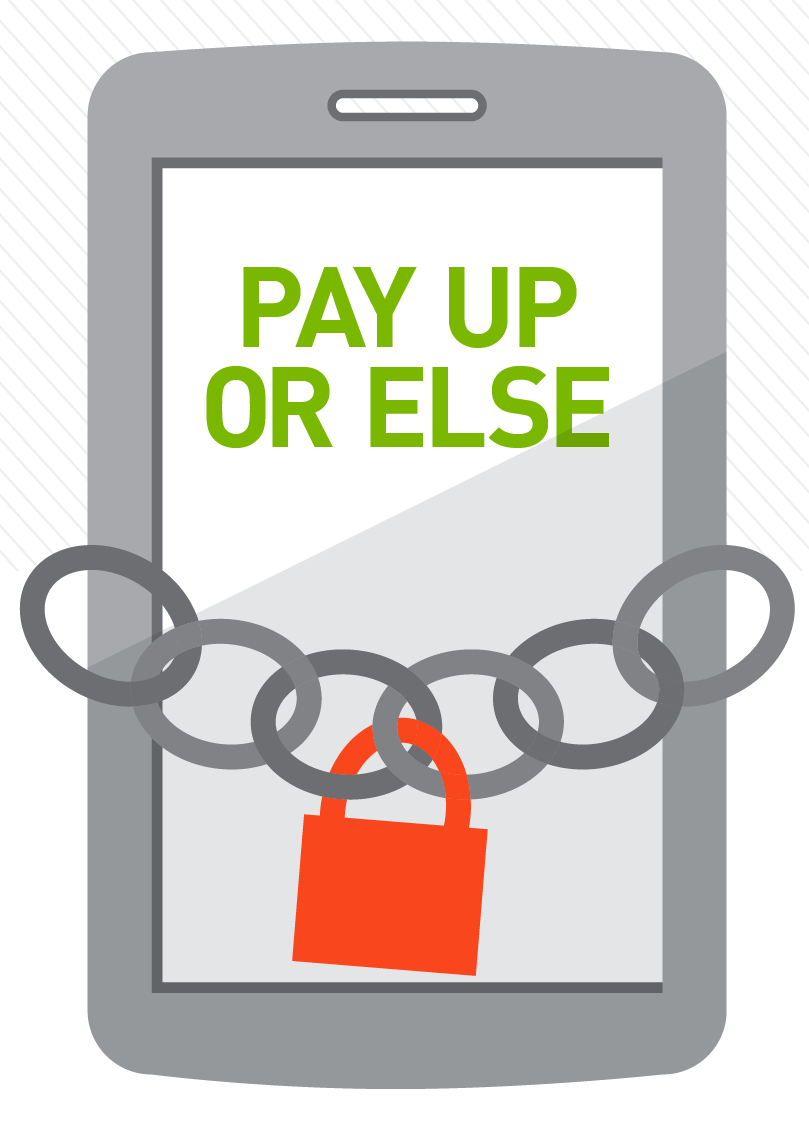
Ransomware – a type of malware that blocks access to information on a victim’s device by locking the screen with a special window or encrypting important files, and then extorts money – is a widely recognised security problem today. But it is not only PC users who are in danger. The cyber-threat landscape for owners of Android-based devices is also being filled with ransomware, which is clearly visible in the key findings of the report.

Key findings:

  • The number of users attacked with mobile ransomware increased almost four-fold: from 35,413 users in 2014-2015, to 136,532 users in 2015-2016.
  • The share of users attacked with ransomware as a proportion of users attacked with any kind of Android malware also increased: from 2.04 per cent in 2014-2015, to 4.63 per cent in 2015-2016.
  • Germany, Canada, the United Kingdom and the United States experienced a higher percentage of users attacked with Android ransomware than any other countries.
  • Only four groups of malware were responsible for more than 90 per cent of all attacks registered in the period. They are the Small, Fusob, Pletor and Svpeng malicious families.
  • Unlike the threats facing PCs, where crypto-ransomware is skyrocketing while the number of users attacked with screen-blockers is decreasing, Android ransomware is mostly in the form of screen-blockers. This is due to the fact that Android-based devices can’t remove screen lockers with help of external hardware, making mobile screen blockers as effective as PC crypto-ransomware.

Although the actual number of users attacked with ransomware is lower and the rate of growth slower than that seen for PC ransomware, the situation with Android ransomware is still worrying. At the start of the comparison period, the monthly number of users who encountered this type of malware on Android devices was almost zero, but by the end it had reached nearly 30,000 attacked users per month. This clearly indicates that criminals are actively exploring alternative opportunities to the PC and show no signs of moving on.

“The extortion model is here to stay. Mobile ransomware emerged as a follow-up to PC ransomware and it is likely that it will be followed-up with malware targeting devices that are very different to a PC or a smartphone. These could be connected devices like smart watches, smart TVs, and other smart products including home and in-car entertainment systems. There are a few proof-of-concepts for some of these devices, and the appearance of actual malware targeting smart devices is only a question of time,” said Roman Unuchek, mobile security expert at Kaspersky Lab.

In order to protect yourself from mobile ransomware attacks, Kaspersky Lab advises the following measures:

  • Restrict the installation of apps from sources other than official app stores.
  • Use a reliable security solution capable of detecting malware and malicious web links.
  • If installing apps from non-official sources is unavoidable, keep an eye on what permissions the app is requesting. Don’t install such apps without a security solution in place.
  • Educate yourself and your relatives on the latest forms of malware propagation. This will help you to detect an attempted social-engineering attack.

Please find the full report here.

[su_box title=”About Kaspersky Lab” style=”noise” box_color=”#336588″][short_info id=’59584′ desc=”true” all=”false”][/su_box]

ISBuzz Team
  • ISBuzz Team
    Air Canada Data Breach: BianLian Extortion Group Claims A Massive Heist Contrary To Airline’s Earlier Statement
  • ISBuzz Team
    Unprecedented DDoS Attack Rocks The Web: Tech Giants Reveal A Digital Tsunami
  • ISBuzz Team
    CISA Flags High-Severity Adobe Acrobat Reader Flaw Amid Active Exploits
  • ISBuzz Team
    Curl Security Alert: Patching A Critical Bug Averting Potential Cyber Catastrophe

The opinions expressed in this post belong to the individual contributors and do not necessarily reflect the views of Information Security Buzz.

Share. Facebook Twitter LinkedIn Email Copy Link

Related Posts

The next phase of endpoint security starts with simplicity

June 24, 20266 Mins Read

Foxconn confirms cyberattack following Nitrogen ransomware claims

May 14, 20263 Mins Read

Lazarus Group Turns to Medusa Ransomware in Escalating Global Extortion Campaign

February 26, 20263 Mins Read
ISB-Bora-Side-Bar

 
ISB-Bora-Side-Bar
Black ISB Logo

Information Security Buzz is an independent resource that provides the experts’ comments, analysis, and opinion on the latest Cybersecurity news and topics

X (Twitter) LinkedIn Facebook RSS

Working With Us

  • About Us
  • Advertise With Us
  • Contact Us

Write For Us

  • How To Contribute

The Pages

  • Privacy Policy
  • Cookie Policy
  • AI Policy
  • Terms & Conditions
  • Copyright Notice

Information Security Buzz and all its contents are copyright © 2014-2025. All rights reserved. All third-party trademarks are recognized.

Type above and press Enter to search. Press Esc to cancel.

Manage Consent
To provide the best experiences, we use technologies like cookies to store and/or access device information. Consenting to these technologies will allow us to process data such as browsing behavior or unique IDs on this site. Not consenting or withdrawing consent, may adversely affect certain features and functions.
Functional Always active
The technical storage or access is strictly necessary for the legitimate purpose of enabling the use of a specific service explicitly requested by the subscriber or user, or for the sole purpose of carrying out the transmission of a communication over an electronic communications network.
Preferences
The technical storage or access is necessary for the legitimate purpose of storing preferences that are not requested by the subscriber or user.
Statistics
The technical storage or access that is used exclusively for statistical purposes. The technical storage or access that is used exclusively for anonymous statistical purposes. Without a subpoena, voluntary compliance on the part of your Internet Service Provider, or additional records from a third party, information stored or retrieved for this purpose alone cannot usually be used to identify you.
Marketing
The technical storage or access is required to create user profiles to send advertising, or to track the user on a website or across several websites for similar marketing purposes.
  • Manage options
  • Manage services
  • Manage {vendor_count} vendors
  • Read more about these purposes
View preferences
  • {title}
  • {title}
  • {title}