

Close Menu
  • Home
  • Articles
    • Attacks
      • BEC
      • Data Breach
      • DDoS
      • Evasion Attacks
      • Injection
      • Malware
      • MITM
      • Phishing
      • Ransomware
      • RCE
      • Social Engineering
      • Spoofing
      • Spyware
    • Business and Policy
      • BCP and DRP
      • GRC
      • Regulations
    • Data Protection
      • DLP
      • DRM
      • Encryption
      • IAM
    • Future, Trends and Insight
      • AI
      • Events & Community
      • Emerging Tech
      • Expert Panel
      • Interviews With Experts
      • Insights
      • Study & Research
    • Resources
      • Guides
      • Tools
      • Training & Education
    • Security
      • API
      • Apps
      • Cloud
      • Critical Infrastructure
      • Endpoint
      • Hardware
      • IoT
      • Mobile
      • Network
      • OT
      • Port Security
      • Security Architecture
      • Software Development
      • Supply Chain
      • Zero Trust
    • Threats and Vulnerabilities
      • Emerging Threats
      • Insider Threats
      • Risk Management
      • Threat Intelligence
      • Zero Day
  • News and Exclusives
    • Latest News
    • ISB Exclusive
    • Positive News
  • Who We Are
    • About Us
    • Information Security Buzz Expert Panel​
    • Write for Us
    • Media Pack
  • Contact Us
  • Newsletter
Facebook X (Twitter) LinkedIn
Information Security BuzzInformation Security Buzz
  • Home
  • Articles
    • Attacks
      • BEC
      • Data Breach
      • DDoS
      • Evasion Attacks
      • Injection
      • Malware
      • MITM
      • Phishing
      • Ransomware
      • RCE
      • Social Engineering
      • Spoofing
      • Spyware
    • Business and Policy
      • BCP and DRP
      • GRC
      • Regulations
    • Data Protection
      • DLP
      • DRM
      • Encryption
      • IAM
    • Future, Trends and Insight
      • AI
      • Events & Community
      • Emerging Tech
      • Expert Panel
      • Interviews With Experts
      • Insights
      • Study & Research
    • Resources
      • Guides
      • Tools
      • Training & Education
    • Security
      • API
      • Apps
      • Cloud
      • Critical Infrastructure
      • Endpoint
      • Hardware
      • IoT
      • Mobile
      • Network
      • OT
      • Port Security
      • Security Architecture
      • Software Development
      • Supply Chain
      • Zero Trust
    • Threats and Vulnerabilities
      • Emerging Threats
      • Insider Threats
      • Risk Management
      • Threat Intelligence
      • Zero Day
  • News and Exclusives
    • Latest News
    • ISB Exclusive
    • Positive News
  • Who We Are
    • About Us
    • Information Security Buzz Expert Panel​
    • Write for Us
    • Media Pack
  • Contact Us
  • Newsletter
Subscribe
Information Security BuzzInformation Security Buzz
Home - Articles - NSA Surveillance Since Snowden Revelations is Strong as Ever, According to RSA Attendees
Articles

NSA Surveillance Since Snowden Revelations is Strong as Ever, According to RSA Attendees

ISBuzz TeamBy ISBuzz TeamApril 30, 2015Updated:July 4, 20244 Mins Read
Share LinkedIn Twitter Facebook Copy Link Email
NSA Surveillance Since Snowden Revelations Is Strong As Ever, According To RSA Attendees
Share
Facebook Twitter LinkedIn Email Copy Link
Quick AI Summary
ChatGPTClaudeGeminiGrokPerplexityDeepSeekCopilot

94% of Survey Respondents Believe NSA Surveillance of U.S. Citizens Has Either Remained at the Same Level or Increased in the Past Two Years

Thycotic did a field survey of 200 RSA attendees about their thoughts on NSA surveillance since the Edward Snowden affair, Obama’s newly formed Cyber Threat Intelligence Integration Center and the strength of the U.S.’s cyber hacking capabilities relative to those of Russia, North Korea and China.

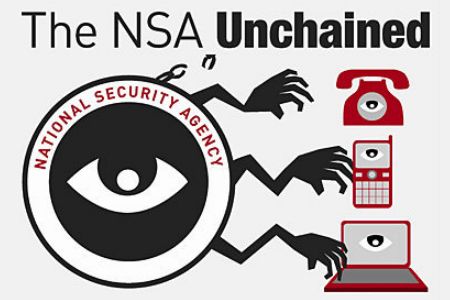
Thycotic, a provider of smart and effective privileged account management solutions for global organizations, announced the results of a survey of 202 RSA Conference 2015 attendees conducted between April 20th and 21st in San Francisco, which found that 94% of surveyed attendees feel that the NSA’s surveillance of U.S. citizens has increased or remained the same since Edward Snowden leaked classified information from the agency in June 2013. Following widespread calls for increased oversight and information-gathering policy changes in response to what the leak exposed, this data indicates that most security professionals do not believe any steps have been taken to curtail the agency’s activities.

In fact, nearly half (48%) of the respondents believe that the NSA has increased its surveillance of U.S. citizens since Snowden’s revelations, while 45% feel that there has been no change. Just 6% believe that the national exposure of classified NSA documents has led to a decrease in NSA surveillance.

Two-thirds (66%) of respondents believe that Section 215 of the Patriot Act, which allows the NSA to collect bulk records of individuals’ phone calls, should not be renewed once it expires as planned on June 1 of this year. This section of the law has garnered much attention in recent months and was a major pain point for critics of the NSA’s programs as well as the 48% of respondents to Thycotic’s RSA survey in February 2014 who indicated that the NSA had overstepped its boundaries in the surveillance of U.S. citizens.

With regard to cyber threats originating outside of the U.S. however, seven out of 10 (70%) respondents believe that the newly formed Cyber Threat Intelligence Integration Center (CTIIC), which is tasked with producing coordinated cyber threat assessments and sharing that information with relevant government agencies, will have a positive impact on our national security. This indicates an increased confidence in the U.S. government’s ability to combat cyber attacks in the future.

When asked which government has the most sophisticated cyber hacking capabilities, nearly half (49%) of respondents said that the abilities of the United States are superior, indicating a confidence in the country’s offensive capabilities when dealing with cyber threats. Interestingly, thirty-one percent believe that China has the most sophisticated cyber hacking capabilities, followed by Russia (17%) and North Korea (3%).

“While the overwhelming majority of respondents believe that the CTIIC will have a positive impact on national security, this is not the time for organizations of any size to let their guard down, as we’ve seen countless high-profile cyber attacks and data breaches in just the last year,” said Jonathan Cogley, CEO and founder of Thycotic. “As cyber threats increasingly become more sophisticated, organizations should be mindful of both external and insider threats. Privileged account management is still the best way for organizations to ensure that their sensitive data is kept out of the wrong hands.”

About Thycotic

Thycotic IT security and password management solutions empower companies to remove the complexities associated with proper access control and management of privileged accounts. An Inc. 5000 company, Thycotic is trusted by more than 3,000 customers worldwide – including members of the Fortune 500, enterprises, government agencies, technology firms, universities, non-profits and managed service providers. For more information , please visit thycotic.com.

ISBuzz Team
  • ISBuzz Team
    Air Canada Data Breach: BianLian Extortion Group Claims A Massive Heist Contrary To Airline’s Earlier Statement
  • ISBuzz Team
    Unprecedented DDoS Attack Rocks The Web: Tech Giants Reveal A Digital Tsunami
  • ISBuzz Team
    CISA Flags High-Severity Adobe Acrobat Reader Flaw Amid Active Exploits
  • ISBuzz Team
    Curl Security Alert: Patching A Critical Bug Averting Potential Cyber Catastrophe

The opinions expressed in this post belong to the individual contributors and do not necessarily reflect the views of Information Security Buzz.

Share. Facebook Twitter LinkedIn Email Copy Link

Related Posts

Exploited Faster, Patched Slower: Verizon DBIR 2026 Shows Security Teams Losing Ground

May 20, 20265 Mins Read

Security’s Blind Spot: The Threats Hiding in “Low-Severity” Alerts

May 6, 20265 Mins Read

Why OSINT deserves the same status as other intelligence disciplines

March 17, 20266 Mins Read
ISB-Bora-Side-Bar

No se ha podido establecer conexión. Error 429

 
ISB-Bora-Side-Bar
Black ISB Logo

Information Security Buzz is an independent resource that provides the experts’ comments, analysis, and opinion on the latest Cybersecurity news and topics

X (Twitter) LinkedIn Facebook RSS

Working With Us

  • About Us
  • Advertise With Us
  • Contact Us

Write For Us

  • How To Contribute

The Pages

  • Privacy Policy
  • Cookie Policy
  • AI Policy
  • Terms & Conditions
  • Copyright Notice

Information Security Buzz and all its contents are copyright © 2014-2025. All rights reserved. All third-party trademarks are recognized.

Type above and press Enter to search. Press Esc to cancel.

Manage Consent
To provide the best experiences, we use technologies like cookies to store and/or access device information. Consenting to these technologies will allow us to process data such as browsing behavior or unique IDs on this site. Not consenting or withdrawing consent, may adversely affect certain features and functions.
Functional Always active
The technical storage or access is strictly necessary for the legitimate purpose of enabling the use of a specific service explicitly requested by the subscriber or user, or for the sole purpose of carrying out the transmission of a communication over an electronic communications network.
Preferences
The technical storage or access is necessary for the legitimate purpose of storing preferences that are not requested by the subscriber or user.
Statistics
The technical storage or access that is used exclusively for statistical purposes. The technical storage or access that is used exclusively for anonymous statistical purposes. Without a subpoena, voluntary compliance on the part of your Internet Service Provider, or additional records from a third party, information stored or retrieved for this purpose alone cannot usually be used to identify you.
Marketing
The technical storage or access is required to create user profiles to send advertising, or to track the user on a website or across several websites for similar marketing purposes.
  • Manage options
  • Manage services
  • Manage {vendor_count} vendors
  • Read more about these purposes
View preferences
  • {title}
  • {title}
  • {title}