


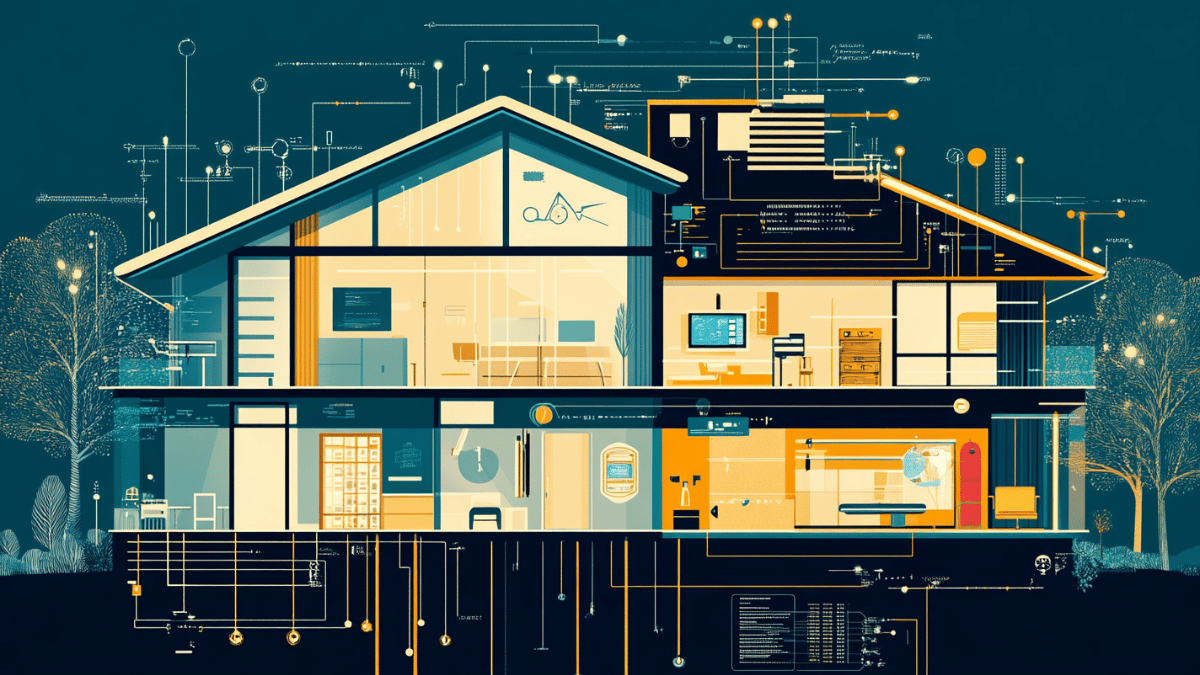
Modern smart homes offer unparalleled convenience, but there’s a catch. Security vulnerabilities can leave you open to cyberattacks, letting criminals “see” far more than they could glimpse through your window curtains—like your bank account number.
Taking the following nine measures increases your peace of mind while safeguarding what you hold dear.
Modern Cyberthreats and Your Home
Experts predict cybercrime will cost the world $10.5 trillion annually by 2025. Knowing that you are one of many is cold comfort when your bank account sits empty, and bill collectors blow up your phone. Understanding how smart home systems work, highlights vulnerabilities you can address.
How Smart Home Systems Work
Smart home devices connect to the internet, allowing you to access them remotely from your phone or computer. This connectivity offers advantages. For example, did you forget to shut the garage door before leaving for work? Some systems allow you to tap an app and secure your premises. You can even adjust your thermostat, turn on eco mode from anywhere, and do your part to reduce emissions.
Choosing a trusted system matters, as each device you add increases vulnerabilities. For example, some brands of smart lightbulbs don’t require a connection to such a hub. However, hackers can use infrared technology to steal your data. Imagine this — you sit down after a long day to scroll your phone under your favorite smart lamp, only to have hackers view everything on your screen along with you.
The Biggest Threats Posed by Smart Home Systems
If you can connect to your smart home system from anywhere, thieves can do so once they obtain the correct information. The biggest threat isn’t surveillance but the ability of hackers to launch horizontal attacks to gain access to other parts of your computer systems, including your banking information. They use five primary methods to access your accounts and drain your coffers:
- Mobile banking trojans: These can look like legitimate banking apps set up by hackers. Alternatively, they can take the form of innocent-seeming third-party apps that scan your devices and add a fake login page when you tap the legitimate icon.
- Phishing: The scam occurs from spoof email addresses or previously trusted legitimate emails, reinforcing the importance of following up large financial transactions with phone calls.
- Keylogging software: Itcaptures your username and password when you type it into sites.
- Man-in-the-middle attacks: These attackstarget your details by intercepting communication between you and legitimate financial institutions. They can also poison your DNS cache to change the site your computer directs to when you type in a URL.
- SIM swapping: This occurs when someone contacts your phone network provider, claiming to have lost their cell phone and requesting to transfer their number to a new provider. If successful, they now receive your dual authentication notifications.
9 Cybersecurity Measures to Take at Home
While there are no guarantees against attack, taking the following nine measures minimizes security risks from your modern smart home.
1. Choose Unique Pass Phrases
Your best bet is to use a combination of upper- and lowercase letters, numbers, and symbols. Many devices now suggest a strong password for you — using this feature in conjunction with your favorite password manager is a wise strategy.
Alternatively, you may wish to create different categories of passwords. For example, reserve a unique one for your financial accounts that you don’t use on other sites. Have a separate password for news or gaming websites unrelated to your banking, making them easily distinguishable for you but preventing thieves from readily guessing one from the other.
2. Use WPA2 Encryption
WPA2 encryption is the most widely used protocol and strongest available for home networks. It uses preshared keys to encrypt wireless systems. Weak passwords lower effectiveness, so choosing a strong one is vital.
Changing the default password when adding new devices to your system is equally important. Use the strong password suggested and your password manager, or assign something unique you use only for items on your smart home network. Using a unique passcode helps you track where the vulnerability happened should an attack occur.
3. Perform Regular Software Updates
Software updates can be a pain — somehow, they always seem to strike when you’re in a hurry to use your device. You often click “update later” and put it off until something unwanted happens.
Instead, take a few minutes to practice mindful breathing or yoga while your gadget installs the requisite patches. Unless you were about to give a national security briefing, waiting these few minutes is worth it. People learn from their mistakes, and developers design software updates to address previously undetected vulnerabilities in your smart home system, protecting you against newer threats.
4. Install Firewalls and Antivirus Software
Here’s why investing in a reputable smart home system matters: Many devices come with firewalls and antivirus software preinstalled. It’s easy to go overboard, especially if unsure what to do. Hiring a professional to install your network is wise if you do your homework and ask potential service providers questions such as:
- How long have you been installing smart home systems? Can you provide examples of other successful projects?
- What type of devices do you specialize in, and how can you customize my plan for my needs?
- Can you walk me through your security process using language I can understand?
5. Enable Two-Factor Authentication
Two-factor authentication uses an authenticator app or sends a unique code to your phone as part of the login process. This way, thieves need access to two separate devices to hack into your network.
6. Invest in a VPN
A VPN acts like a substitute network, creating a secure connection between your device and a remote server operated by the provider. Hackers have a difficult time intercepting messages sent via this method. While it’s a must for using your devices while traveling, you should also use it when connected to your home network.
7. Consider Network Segregation
You can also create multiple virtual private networks and keep your smart home system separate from devices you use for banking. While this extra step might require some technical expertise, it’s worth it for individuals who fear cyberattacks or have a high net worth demanding added protection.
8. Implement Network Monitoring
Yet another reason to invest in a reputable smart home system is that many plans include network monitoring as part of the package. If not, configure all devices to send alerts when someone makes adjustments.
9. Do Your Research
Ask vital questions, such as how long the manufacturer has been in business. Investigate its customer service process — how easy can you get help if you run into issues? Doing so is often as simple as calling the company. If they don’t answer the phone when you aren’t a customer yet, you’ll likely experience greater challenges once you’ve spent your money.
Security Measures for Smart Homes
The modern smart home offers scores of advantages and superior comfort. However, connecting to your property via the internet also opens potential doors to thieves. Understanding the risks and taking proactive steps minimizes your vulnerability and maximizes your ability to bounce back if a hacker strikes.

Dylan Berger has several years of experience writing about cybercrime, cybersecurity, and similar topics. He’s passionate about fraud prevention and cybersecurity’s relationship with the supply chain. He’s a prolific blogger and regularly contributes to other publications across the web.
The opinions expressed in this post belong to the individual contributors and do not necessarily reflect the views of Information Security Buzz.