


Close Menu
  • Home
  • Articles
    • Attacks
      • BEC
      • Data Breach
      • DDoS
      • Evasion Attacks
      • Injection
      • Malware
      • MITM
      • Phishing
      • Ransomware
      • RCE
      • Social Engineering
      • Spoofing
      • Spyware
    • Business and Policy
      • BCP and DRP
      • GRC
      • Regulations
    • Data Protection
      • DLP
      • DRM
      • Encryption
      • IAM
    • Future, Trends and Insight
      • AI
      • Events & Community
      • Emerging Tech
      • Expert Panel
      • Interviews With Experts
      • Insights
      • Study & Research
    • Resources
      • Guides
      • Tools
      • Training & Education
    • Security
      • API
      • Apps
      • Cloud
      • Critical Infrastructure
      • Endpoint
      • Hardware
      • IoT
      • Mobile
      • Network
      • OT
      • Port Security
      • Security Architecture
      • Software Development
      • Supply Chain
      • Zero Trust
    • Threats and Vulnerabilities
      • Emerging Threats
      • Insider Threats
      • Risk Management
      • Threat Intelligence
      • Zero Day
  • News and Exclusives
    • Latest News
    • ISB Exclusive
    • Positive News
  • Who We Are
    • About Us
    • Information Security Buzz Expert Panel​
    • Write for Us
    • Media Pack
  • Contact Us
  • Newsletter
Facebook X (Twitter) LinkedIn
Information Security BuzzInformation Security Buzz
  • Home
  • Articles
    • Attacks
      • BEC
      • Data Breach
      • DDoS
      • Evasion Attacks
      • Injection
      • Malware
      • MITM
      • Phishing
      • Ransomware
      • RCE
      • Social Engineering
      • Spoofing
      • Spyware
    • Business and Policy
      • BCP and DRP
      • GRC
      • Regulations
    • Data Protection
      • DLP
      • DRM
      • Encryption
      • IAM
    • Future, Trends and Insight
      • AI
      • Events & Community
      • Emerging Tech
      • Expert Panel
      • Interviews With Experts
      • Insights
      • Study & Research
    • Resources
      • Guides
      • Tools
      • Training & Education
    • Security
      • API
      • Apps
      • Cloud
      • Critical Infrastructure
      • Endpoint
      • Hardware
      • IoT
      • Mobile
      • Network
      • OT
      • Port Security
      • Security Architecture
      • Software Development
      • Supply Chain
      • Zero Trust
    • Threats and Vulnerabilities
      • Emerging Threats
      • Insider Threats
      • Risk Management
      • Threat Intelligence
      • Zero Day
  • News and Exclusives
    • Latest News
    • ISB Exclusive
    • Positive News
  • Who We Are
    • About Us
    • Information Security Buzz Expert Panel​
    • Write for Us
    • Media Pack
  • Contact Us
  • Newsletter
Subscribe
Information Security BuzzInformation Security Buzz
Home - Phishing - SpartanWarriorz Phish Kits: Uncovered
Phishing Attacks News & Analysis

SpartanWarriorz Phish Kits: Uncovered

Josh Breaker RolfeBy Josh Breaker RolfeDecember 12, 20242 Mins Read
Share LinkedIn Twitter Facebook Copy Link Email
SpartanWarriorz
Share
Facebook Twitter LinkedIn Email Copy Link
Quick AI Summary
ChatGPTClaudeGeminiGrokPerplexityDeepSeekCopilot

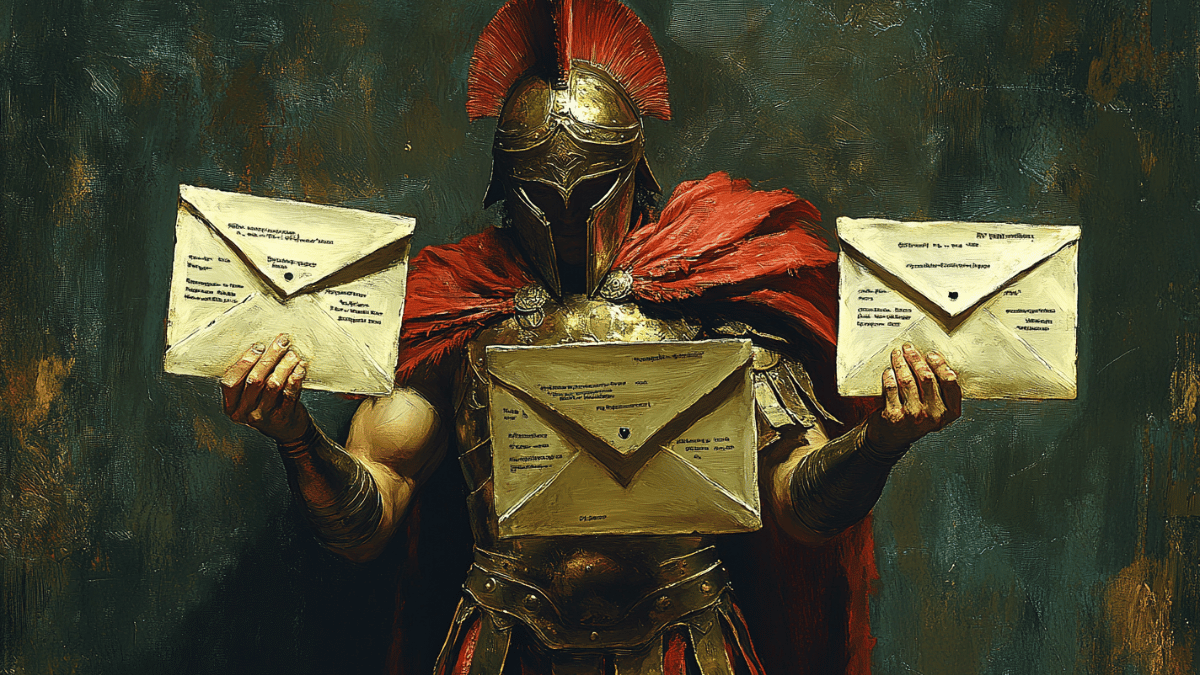
Cybercriminals are using phish kits developed by authoring group SpartanWarriorz to target over 300 global brands, new research from Fortra has revealed. Attackers using the kits tend to target financial institutions in North America and Europe, retail, delivery services, and social media platforms.

Distribution Techniques

Like many cybercriminal groups, SpartanWarriorz primarily markets and distributes phishing kits through Telegram, a popular encrypted messaging service. The group’s channel boasts over 5300 subscribers and is managed by two moderators.

On November 21, the SpartanWarriorz Telegram channel was shut down, but the group quickly resumed operations by launching a new channel on the same day. This comes just months after Telegram chief executive and founder Pavel Durov announced a crackdown on illegal content on the site.

To bolster their reputation within the phishing community, SpartanWarriorz frequently gives away free phishing kits. This strategy has contributed to the group’s large subscriber base and usage rates.

Phishing Kits and Services

SpartanWarriorz’s offerings are designed to ensure that even the most inexperienced cybercriminals can launch sophisticated attacks. They have either sold or given away more than 300 phishing kits that include:

  • Pre-authored Phishing Lures: Templates or examples of convincing emails, messages, or other bait designed to trick users into visiting phishing sites or engaging with scams.
  • Email Spamming Services: Tools to send large volumes of phishing emails using pre-crafted content provided by SpartanWarriorz.
  • Access to Web Server Shells: Access to backdoors installed on hacked servers, enabling attackers to carry out further malicious activities, such as hosting phishing pages or distributing malware.
  • Antibot Lists: Lists that block specific IP addresses, user agents, and known web crawlers (such as those from security tools or search engines) from accessing the phishing pages. Blocked visitors are redirected to Google.com or shown a fake 404 error page, reducing the risk of detection.
  • Enhanced Victim Interaction: Configurations that require victims to sign in twice or complete CAPTCHAs to increase the credibility of fake sites and collect more sensitive data.

The SpartanWarriorz cybercriminal group is a prime example of the democratization of cybercrime. Groups like these allow anyone with access to the internet to launch attacks on some of the world’s largest organizations.

Josh Breaker Rolfe

Josh is a Content writer at Bora. He graduated with a degree in Journalism in 2021 and has a background in cybersecurity PR. He's written on a wide range of topics, from AI to Zero Trust, and is particularly interested in the impacts of cybersecurity on the wider economy.

  • Josh Breaker Rolfe
    Thales Data Threat Report: AI and Cloud Complexity Fuel New Data Security Risks
  • Josh Breaker Rolfe
    50+ Organizations Breached Due to Missing MFA
  • Josh Breaker Rolfe
    What Happens after a Phishing Email Lands in Your Inbox?
  • Josh Breaker Rolfe
    Red Hat OpenShift AI Vulnerability Allows Attackers to Seize Infrastructure Control

The opinions expressed in this post belong to the individual contributors and do not necessarily reflect the views of Information Security Buzz.

Share. Facebook Twitter LinkedIn Email Copy Link

Related Posts

New Phishing Kit Starkiller Defeats Multi-Factor Authentication

February 23, 20264 Mins Read

ReliaQuest Uncovers Social Media Phishing Campaign Built on Trusted Tools

January 22, 20266 Mins Read

What Happens after a Phishing Email Lands in Your Inbox?

January 5, 20266 Mins Read
ISB-Bora-Side-Bar

No se ha podido establecer conexión. Error 429

 
ISB-Bora-Side-Bar
Black ISB Logo

Information Security Buzz is an independent resource that provides the experts’ comments, analysis, and opinion on the latest Cybersecurity news and topics

X (Twitter) LinkedIn Facebook RSS

Working With Us

  • About Us
  • Advertise With Us
  • Contact Us

Write For Us

  • How To Contribute

The Pages

  • Privacy Policy
  • Cookie Policy
  • AI Policy
  • Terms & Conditions
  • Copyright Notice

Information Security Buzz and all its contents are copyright © 2014-2025. All rights reserved. All third-party trademarks are recognized.

Type above and press Enter to search. Press Esc to cancel.

Manage Consent
To provide the best experiences, we use technologies like cookies to store and/or access device information. Consenting to these technologies will allow us to process data such as browsing behavior or unique IDs on this site. Not consenting or withdrawing consent, may adversely affect certain features and functions.
Functional Always active
The technical storage or access is strictly necessary for the legitimate purpose of enabling the use of a specific service explicitly requested by the subscriber or user, or for the sole purpose of carrying out the transmission of a communication over an electronic communications network.
Preferences
The technical storage or access is necessary for the legitimate purpose of storing preferences that are not requested by the subscriber or user.
Statistics
The technical storage or access that is used exclusively for statistical purposes. The technical storage or access that is used exclusively for anonymous statistical purposes. Without a subpoena, voluntary compliance on the part of your Internet Service Provider, or additional records from a third party, information stored or retrieved for this purpose alone cannot usually be used to identify you.
Marketing
The technical storage or access is required to create user profiles to send advertising, or to track the user on a website or across several websites for similar marketing purposes.
  • Manage options
  • Manage services
  • Manage {vendor_count} vendors
  • Read more about these purposes
View preferences
  • {title}
  • {title}
  • {title}