


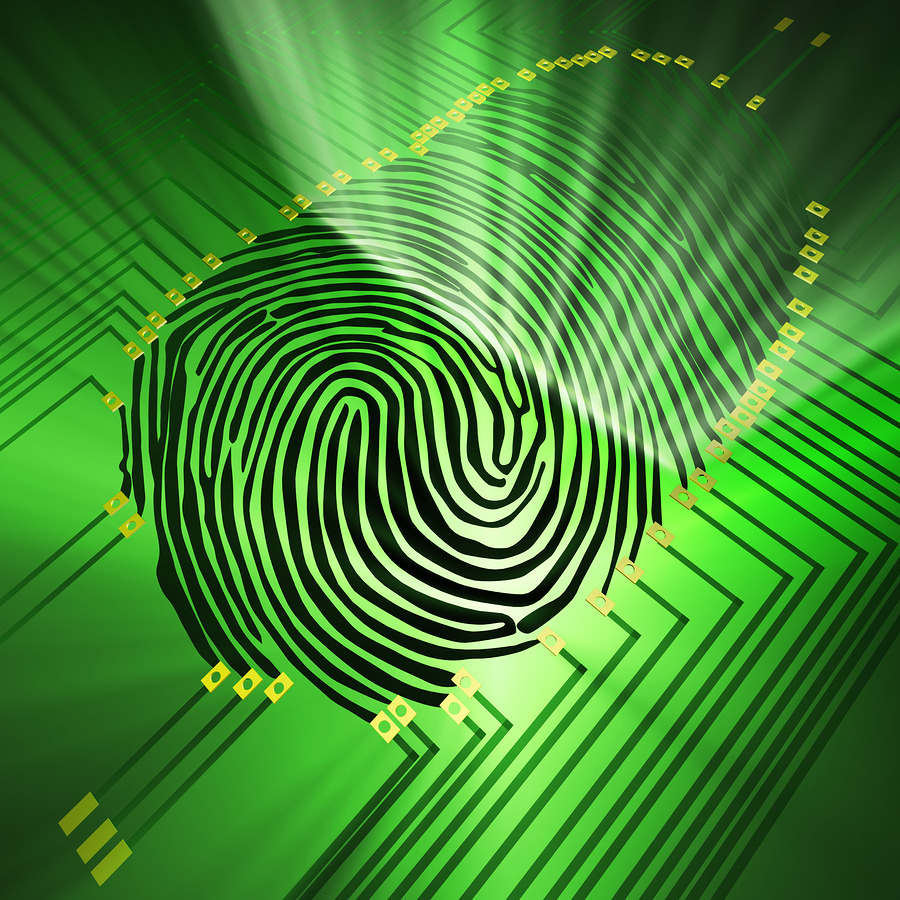
Biometric technology is already revolutionising both physical and cyber-security in the UK. While the latest breakthroughs are impressive, we’re only just touching the tip of the iceberg. Regardless of which method we’re using – whether it is fingerprint, facial, retinal or voice recognition solutions – there is no escaping the fact that biometric developments have been incorporated into our everyday lives. From passing through airport security checkpoints and passport control to accessing systems or our place of work; we are increasingly using our physical identity as a means of authentication, negating the need to remember complicated codes and passwords.
While some manufacturers and suppliers are encouraging users to embrace facial or voice recognition to authenticate, there are many consumers who find these methods simply don’t work effectively. However, using fingerprints as an alternative means of biometric authentication removes these issues. Fingerprints are unique to every user, as such, it is a form of biometric authentication that ensures only the right person can access the right device or service. Unlike its counterparts, fingerprint sensors are less intrusive and more accurate. After all, whilst your voice is prone to fluctuation and your face may change over time, your fingerprint generally stays the same.
Fingerprints for payments
The use of fingerprint biometric technology has become commonplace to UK consumers to access their smartphones, with a scanner placed on either the front or the back of the device. Unlocking a smartphone is one thing but authenticating mobile payments with fingerprint biometrics is yet to be adopted by the masses.
After decades of having to remember PINs, we are all becoming much more accustomed to making swift, contactless payments with our credit or debit cards. Yet, card issuers and banks are at risk of losing millions, as authentication isn’t currently required to complete small transfers on contactless terminals. However, payment cards designed with a thin biometric fingerprint sensor offer better protection because the consumer’s fingerprint cannot be replicated by a criminal. Nor can they be seized by a hacker from a central database. Introducing such technology creates a more convenient user experience, as fingerprint biometric smart payment cards remove the current £30 contactless spending limit. This means consumers can shop feeling assured that their money will be protected, regardless of how much they are spending.
Fingerprints for access
Another instance where many consumers are already accustomed to using fingerprint biometric technology for authentication is at their place of work. With organisations rightly focused on protecting sensitive information, they have increasingly adopted biometric authentication methods, such as facial recognition and retinal scanning, to guarantee only employees with the right privileges can gain access. Currently, the majority of options available to companies rely on touch screen interaction. However, systems using fingerprint biometric authentication smart cards – rather than touch screens – offer better protection and reduce vulnerability to cyber threats. For example, if a hacker accessed a corporate network, they could manipulate the software to grant access to people who do not work for the organisation. Instead, employee fingerprints remain independent of the software and cannot be changed.
Fingerprints for ID
Along with giving people access to devices and systems, and allowing users to authenticate payments, biometric technology is becoming essential to proving and authenticating personal identities. For instance, many airport and rail terminals – especially in developed countries – have installed facial recognition solutions to grant people access to different nations. While this technology reduces queuing time, it still has its flaws. Many of us often have the frustration of not being recognised. A new beard, an ageing face or even a few extra pounds, may be the difference between walking through quickly or being delayed. On the other hand, a person with an identical twin could pass through customs using their sibling’s passport. However, fingerprints are not only unique to every individual, but degradation in quality caused by ageing can be offset by using larger sensors and advanced matching algorithms.
The same vulnerabilities also apply to national identity cards. These are not always used by their rightful owners – often leading to theft and fraud. If there is nothing to physically connect an individual to their identity card, another person could use it if they look similar to the legitimate owner. To overcome these hurdles, governments can roll out biometric smart cards, designed with a fingerprint reader, to reassure people their identity will not be put at risk.
Fingerprints for all
In this digital era in which we live, security is paramount to both consumers and organisations alike. Consumers want reassurance that companies will protect their data, while organisations only want trusted staff accessing corporate data. Despite the best efforts of organisations and suppliers to adopt biometric authentication, many existing biometric methods still have key flaws. Adopting fingerprints over other biometric methods is a strong step in ensuring data, finances and sensitive information, as well as an individual’s identity, remain protected from malicious threats.
The adoption of fingerprint authentication may currently be behind other biometric methods, but banks are an example of organisations readying themselves for the technology to become the norm. With the likes of the Royal Bank of Scotland and NatWest already trialling smart payment cards designed with fingerprint sensors; it is only a matter of time until more UK organisations follow suit in embracing biometric fingerprint authentication.

Executive and Board level Management executive with a proven track record of business growth and delivering exceptional financial performance. Skilled in Business Development, Product Management (B2C), Strategy (New Business Development, payment processing, identity verification, card issuing/less payments), and Business Strategy technology. I have strong commercial, analytical and financial skills backed up by more than several years' experience gained within large corporates and FTSE 100 companies
The opinions expressed in this post belong to the individual contributors and do not necessarily reflect the views of Information Security Buzz.