

Close Menu
  • Home
  • Articles
    • Attacks
      • BEC
      • Data Breach
      • DDoS
      • Evasion Attacks
      • Injection
      • Malware
      • MITM
      • Phishing
      • Ransomware
      • RCE
      • Social Engineering
      • Spoofing
      • Spyware
    • Business and Policy
      • BCP and DRP
      • GRC
      • Regulations
    • Data Protection
      • DLP
      • DRM
      • Encryption
      • IAM
    • Future, Trends and Insight
      • AI
      • Events & Community
      • Emerging Tech
      • Expert Panel
      • Interviews With Experts
      • Insights
      • Study & Research
    • Resources
      • Guides
      • Tools
      • Training & Education
    • Security
      • API
      • Apps
      • Cloud
      • Critical Infrastructure
      • Endpoint
      • Hardware
      • IoT
      • Mobile
      • Network
      • OT
      • Port Security
      • Security Architecture
      • Software Development
      • Supply Chain
      • Zero Trust
    • Threats and Vulnerabilities
      • Emerging Threats
      • Insider Threats
      • Risk Management
      • Threat Intelligence
      • Zero Day
  • News and Exclusives
    • Latest News
    • ISB Exclusive
    • Positive News
  • Who We Are
    • About Us
    • Information Security Buzz Expert Panel​
    • Write for Us
    • Media Pack
  • Contact Us
  • Newsletter
Facebook X (Twitter) LinkedIn
Information Security BuzzInformation Security Buzz
  • Home
  • Articles
    • Attacks
      • BEC
      • Data Breach
      • DDoS
      • Evasion Attacks
      • Injection
      • Malware
      • MITM
      • Phishing
      • Ransomware
      • RCE
      • Social Engineering
      • Spoofing
      • Spyware
    • Business and Policy
      • BCP and DRP
      • GRC
      • Regulations
    • Data Protection
      • DLP
      • DRM
      • Encryption
      • IAM
    • Future, Trends and Insight
      • AI
      • Events & Community
      • Emerging Tech
      • Expert Panel
      • Interviews With Experts
      • Insights
      • Study & Research
    • Resources
      • Guides
      • Tools
      • Training & Education
    • Security
      • API
      • Apps
      • Cloud
      • Critical Infrastructure
      • Endpoint
      • Hardware
      • IoT
      • Mobile
      • Network
      • OT
      • Port Security
      • Security Architecture
      • Software Development
      • Supply Chain
      • Zero Trust
    • Threats and Vulnerabilities
      • Emerging Threats
      • Insider Threats
      • Risk Management
      • Threat Intelligence
      • Zero Day
  • News and Exclusives
    • Latest News
    • ISB Exclusive
    • Positive News
  • Who We Are
    • About Us
    • Information Security Buzz Expert Panel​
    • Write for Us
    • Media Pack
  • Contact Us
  • Newsletter
Subscribe
Information Security BuzzInformation Security Buzz
Home - News & Analysis - US ATM Jackpotting Attacks And ATM Safety/Security Myths
News & Analysis

US ATM Jackpotting Attacks And ATM Safety/Security Myths

ISBuzz TeamBy ISBuzz TeamJanuary 31, 20183 Mins Read
Share LinkedIn Twitter Facebook Copy Link Email
Hackers can Infect ATM With Malware
Share
Facebook Twitter LinkedIn Email Copy Link
Quick AI Summary
ChatGPTClaudeGeminiGrokPerplexityDeepSeekCopilot

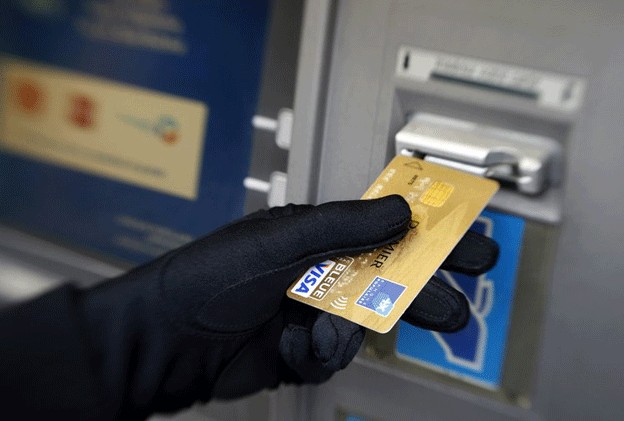
The US Secret Service is warning financial institutions that jackpotting attacks – where ATMs fraudulently dispense cash – are now a risk in the US, according to Krebs on Security. Two cybersecurity experts with VASCO Data Security (which serves more than 10,000 customers and helps more than half of the top 100 global banks protect their online, mobile and ATM channels) offer perspective.

John Gunn, CMO at VASCO Data Security:

“The security that protects ATM transactions has improved significantly over the past several years, including using EMV chip cards and enhanced authentication using consumers’ mobile phones, so criminal are being forced to revert to more brazen physical attacks on ATM machines.”

.

.

David Vergara, Head of Global Product Marketing at VASCO Data Security:

“With banks’ focus on digital channels, like ATM and mobile, to drive down costs and better serve customers, it’s no surprise that cybercrime is following. The relatively low-tech skimming attacks still represent the vast majority of ATM losses, but more coordinated attacks using physical access to the machine (i.e. master key and keyboard) along with more sophisticated malware are enabling much bigger paydays for hackers. This trend will continue until banks have addressed key vulnerabilities. And to beat the bigger issue of skimming, banks should consider cardless security technologies like mobile authentication via visual cryptogram. Also, this is a good time to consider some of the myths around ATM safety and security:

Myth 1: It’s easy to see and avoid devices implanted in ATMs for theft

Fact: Criminals use ATM interface components for theft that are custom designed to fit seamlessly into the card readers of specific manufacturers. Some of these appliances can be tough for even a trained specialist to spot quickly and casually.

Myth 2: Chip Cards Fully Stop Hacking

Fact: The launch of chip card technology (EMV) began a decade ago in Europe and has been spreading throughout the world, and has helped cut card fraud, but even EMV can’t always prevent fraud. EMV protections can be circumvented through ultrathin metal or plastic devices installed in the readers, for example.

Myth 3: It takes a sophisticated hacker to steal from an ATM

Fact: It doesn’t take a sophisticated hacker to defraud an ATM. In California, five teens were arrested for putting card data theft devices at three ATMs located in banks. Today, any interested party can become a professional thief in this segment with a modest investment in cash.

Myth 4: ATM security must depend on the customer

Fact: Although some IT and security professionals cite customer carelessness in ATM fraud, the fact is that there is a growing risk vector that has nothing to do with customer mistakes. Researchers have found that IoT devices such as personal smart clocks or pulse physical activity controllers can be used to steal an ATM access code. By collecting hand movement information, researchers could accurately guess passwords and access codes with up to 80% success on the first try.

Myth 5: Thin copy devices or hidden cameras are the only ATM attack strategies

Fact: Bank security professionals need to look at and beyond reader devices and hidden cameras – there’s a new array of ATM fraud technology, such as Bluetooth-enabled devices that install on circuit boards. When fraudulent components are integrated into ATM circuits, thefts can potentially continue for years undetected.

ISBuzz Team
  • ISBuzz Team
    Air Canada Data Breach: BianLian Extortion Group Claims A Massive Heist Contrary To Airline’s Earlier Statement
  • ISBuzz Team
    Unprecedented DDoS Attack Rocks The Web: Tech Giants Reveal A Digital Tsunami
  • ISBuzz Team
    CISA Flags High-Severity Adobe Acrobat Reader Flaw Amid Active Exploits
  • ISBuzz Team
    Curl Security Alert: Patching A Critical Bug Averting Potential Cyber Catastrophe

The opinions expressed in this post belong to the individual contributors and do not necessarily reflect the views of Information Security Buzz.

Share. Facebook Twitter LinkedIn Email Copy Link

Related Posts

The Real Cost of Inconsistent Third-Party Access

December 18, 20255 Mins Read

What Happens When Devices Cross Borders? The Role of Geofencing in Global IT

August 7, 20256 Mins Read

The Evolving Importance of Identity Governance in FinTech

July 10, 20258 Mins Read
ISB-Bora-Side-Bar

No se ha podido establecer conexión. Error 429

 
ISB-Bora-Side-Bar
Black ISB Logo

Information Security Buzz is an independent resource that provides the experts’ comments, analysis, and opinion on the latest Cybersecurity news and topics

X (Twitter) LinkedIn Facebook RSS

Working With Us

  • About Us
  • Advertise With Us
  • Contact Us

Write For Us

  • How To Contribute

The Pages

  • Privacy Policy
  • Cookie Policy
  • AI Policy
  • Terms & Conditions
  • Copyright Notice

Information Security Buzz and all its contents are copyright © 2014-2025. All rights reserved. All third-party trademarks are recognized.

Type above and press Enter to search. Press Esc to cancel.

Manage Consent
To provide the best experiences, we use technologies like cookies to store and/or access device information. Consenting to these technologies will allow us to process data such as browsing behavior or unique IDs on this site. Not consenting or withdrawing consent, may adversely affect certain features and functions.
Functional Always active
The technical storage or access is strictly necessary for the legitimate purpose of enabling the use of a specific service explicitly requested by the subscriber or user, or for the sole purpose of carrying out the transmission of a communication over an electronic communications network.
Preferences
The technical storage or access is necessary for the legitimate purpose of storing preferences that are not requested by the subscriber or user.
Statistics
The technical storage or access that is used exclusively for statistical purposes. The technical storage or access that is used exclusively for anonymous statistical purposes. Without a subpoena, voluntary compliance on the part of your Internet Service Provider, or additional records from a third party, information stored or retrieved for this purpose alone cannot usually be used to identify you.
Marketing
The technical storage or access is required to create user profiles to send advertising, or to track the user on a website or across several websites for similar marketing purposes.
  • Manage options
  • Manage services
  • Manage {vendor_count} vendors
  • Read more about these purposes
View preferences
  • {title}
  • {title}
  • {title}