


Close Menu
  • Home
  • Articles
    • Attacks
      • BEC
      • Data Breach
      • DDoS
      • Evasion Attacks
      • Injection
      • Malware
      • MITM
      • Phishing
      • Ransomware
      • RCE
      • Social Engineering
      • Spoofing
      • Spyware
    • Business and Policy
      • BCP and DRP
      • GRC
      • Regulations
    • Data Protection
      • DLP
      • DRM
      • Encryption
      • IAM
    • Future, Trends and Insight
      • AI
      • Events & Community
      • Emerging Tech
      • Expert Panel
      • Interviews With Experts
      • Insights
      • Study & Research
    • Resources
      • Guides
      • Tools
      • Training & Education
    • Security
      • API
      • Apps
      • Cloud
      • Critical Infrastructure
      • Endpoint
      • Hardware
      • IoT
      • Mobile
      • Network
      • OT
      • Port Security
      • Security Architecture
      • Software Development
      • Supply Chain
      • Zero Trust
    • Threats and Vulnerabilities
      • Emerging Threats
      • Insider Threats
      • Risk Management
      • Threat Intelligence
      • Zero Day
  • News and Exclusives
    • Latest News
    • ISB Exclusive
    • Positive News
  • Who We Are
    • About Us
    • Information Security Buzz Expert Panel​
    • Write for Us
    • Media Pack
  • Contact Us
  • Newsletter
Facebook X (Twitter) LinkedIn
Information Security BuzzInformation Security Buzz
  • Home
  • Articles
    • Attacks
      • BEC
      • Data Breach
      • DDoS
      • Evasion Attacks
      • Injection
      • Malware
      • MITM
      • Phishing
      • Ransomware
      • RCE
      • Social Engineering
      • Spoofing
      • Spyware
    • Business and Policy
      • BCP and DRP
      • GRC
      • Regulations
    • Data Protection
      • DLP
      • DRM
      • Encryption
      • IAM
    • Future, Trends and Insight
      • AI
      • Events & Community
      • Emerging Tech
      • Expert Panel
      • Interviews With Experts
      • Insights
      • Study & Research
    • Resources
      • Guides
      • Tools
      • Training & Education
    • Security
      • API
      • Apps
      • Cloud
      • Critical Infrastructure
      • Endpoint
      • Hardware
      • IoT
      • Mobile
      • Network
      • OT
      • Port Security
      • Security Architecture
      • Software Development
      • Supply Chain
      • Zero Trust
    • Threats and Vulnerabilities
      • Emerging Threats
      • Insider Threats
      • Risk Management
      • Threat Intelligence
      • Zero Day
  • News and Exclusives
    • Latest News
    • ISB Exclusive
    • Positive News
  • Who We Are
    • About Us
    • Information Security Buzz Expert Panel​
    • Write for Us
    • Media Pack
  • Contact Us
  • Newsletter
Subscribe
Information Security BuzzInformation Security Buzz
Home - Articles - “Let The Games Begin”: Malware Is Off And Running
Articles

“Let The Games Begin”: Malware Is Off And Running

ISBuzz TeamBy ISBuzz TeamJuly 20, 20163 Mins Read
Share LinkedIn Twitter Facebook Copy Link Email
Share
Facebook Twitter LinkedIn Email Copy Link
Quick AI Summary
ChatGPTClaudeGeminiGrokPerplexityDeepSeekCopilot

In just a few weeks, thousands of athletes and fans from around the world will gather in Rio de Janeiro for one of the world’s most widely anticipated international sporting events, the Olympics. However, as one of the most popular events, the Olympics also entices cyber criminals and scamsters to take advantage of unsuspecting users who might be searching for related news, the event schedule and online streams.

At ThreatLabZ, we are always on the lookout for threats taking advantage of major world news and events, and recently found some examples of exploit kit traffic coming from Olympics-related content. As is usually the case, these websites are compromised to redirect users to exploit kits and ultimately infect unwary visitors with a variety of payloads. In the cases we present here, we have seen RIG Exploit Kit dropping Qakbot as well as Neutrino Exploit Kit dropping CryptXXX.

Case 1: The first case begins with a user looking to make an Olympic themed cake, and getting served with the RIG Exploit Kit.
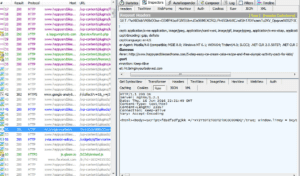
Fig1

The compromised site contains a malicious inject hidden in the jquery.js file that redirects the user to a gate. This gate redirects the user to the RIG landing page, which loads a malicious SWF.

Following exploitation, a payload encrypted with a simple XOR cipher is downloaded onto the victim’s system. The malware in question is the infamous worm, Qakbot. In addition to attempting to spread itself across network shares, Qakbot can allow remote access to the user’s system, steal information from the victim’s machine and exfiltration to the attacker’s remote server, among other functions.
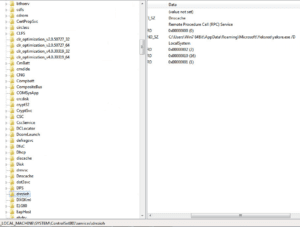
Fig 2

The threat installs itself as a service named “Remote Procedure Call (RPC) Service” to mask its presence and ensure persistence.

Case 2: Our second case involves the compromised South Africa Gymnastic Federation website, which is leading users to Neutrino Exploit Kit via an injected script.

When examining the website’s code, we can see the Flash object for the EITest redirector embedded towards the bottom of the page.
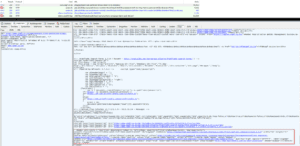
Fig 3

Following the EITest gate is a Neutrino landing page and SWF payload. Upon successful exploit run, the ransomware CryptXXX is delivered to the victim’s machine.

Fig6

Before actually encrypting users’ data, CryptXXX attempts to delete shadow copies of system files to prevent recovery.
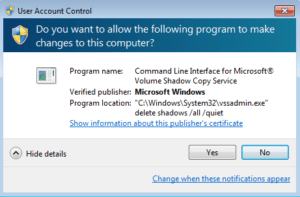
Fig 4

Below is the Neutrino EK Activity seen in last 30 days
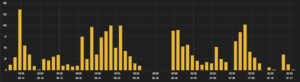
Fig 5

Conclusion

We’ve reported on previous cases where compromised sites can cause ransomware infections or worse, and this continues to be true with the examples covered today. Users should always make sure that Adobe Flash Players Auto-Update feature is enabled, and it is highly recommended to leverage click-to-play functionality in web browsers. These steps can greatly reduce users’ exposure to vulnerabilities. As we get closer to the event, we expect to see a rise in threats and scams leveraging Olympics topics to target a large number of victims.

Zscaler’s standard security checklist – Olympics Edition:

  • Inspect the source of emails with enticing shopping deals. Be wary of any suspicious attachments
  • Steer clear of unofficial mobile application stores
  • Check the authenticity of the URL or website address before clicking on a link
  • Stay away from e-mailed invoices – this is often a social engineering technique used by cyber criminals
  • Use two-factor authentication whenever possible especially on sensitive accounts such as those used for banking
  • Always ensure that your operating system and web browser have the latest security patches installed
  • Use browser add-ons like Adblock Plus to block popups and potential malvertisements
  • Backup your documents and media files – this is extremely important with the surge in ransomware infections
  • For health safety guidelines, please review the Centres for Disease Control & Prevention notice.
ISBuzz Team
  • ISBuzz Team
    Air Canada Data Breach: BianLian Extortion Group Claims A Massive Heist Contrary To Airline’s Earlier Statement
  • ISBuzz Team
    Unprecedented DDoS Attack Rocks The Web: Tech Giants Reveal A Digital Tsunami
  • ISBuzz Team
    CISA Flags High-Severity Adobe Acrobat Reader Flaw Amid Active Exploits
  • ISBuzz Team
    Curl Security Alert: Patching A Critical Bug Averting Potential Cyber Catastrophe

The opinions expressed in this post belong to the individual contributors and do not necessarily reflect the views of Information Security Buzz.

Share. Facebook Twitter LinkedIn Email Copy Link

Related Posts

The Real Cost of Inconsistent Third-Party Access

December 18, 20255 Mins Read

What Happens When Devices Cross Borders? The Role of Geofencing in Global IT

August 7, 20256 Mins Read

The Evolving Importance of Identity Governance in FinTech

July 10, 20258 Mins Read
ISB-Bora-Side-Bar

 
ISB-Bora-Side-Bar
Black ISB Logo

Information Security Buzz is an independent resource that provides the experts’ comments, analysis, and opinion on the latest Cybersecurity news and topics

X (Twitter) LinkedIn Facebook RSS

Working With Us

  • About Us
  • Advertise With Us
  • Contact Us

Write For Us

  • How To Contribute

The Pages

  • Privacy Policy
  • Cookie Policy
  • AI Policy
  • Terms & Conditions
  • Copyright Notice

Information Security Buzz and all its contents are copyright © 2014-2025. All rights reserved. All third-party trademarks are recognized.

Type above and press Enter to search. Press Esc to cancel.

Manage Consent
To provide the best experiences, we use technologies like cookies to store and/or access device information. Consenting to these technologies will allow us to process data such as browsing behavior or unique IDs on this site. Not consenting or withdrawing consent, may adversely affect certain features and functions.
Functional Always active
The technical storage or access is strictly necessary for the legitimate purpose of enabling the use of a specific service explicitly requested by the subscriber or user, or for the sole purpose of carrying out the transmission of a communication over an electronic communications network.
Preferences
The technical storage or access is necessary for the legitimate purpose of storing preferences that are not requested by the subscriber or user.
Statistics
The technical storage or access that is used exclusively for statistical purposes. The technical storage or access that is used exclusively for anonymous statistical purposes. Without a subpoena, voluntary compliance on the part of your Internet Service Provider, or additional records from a third party, information stored or retrieved for this purpose alone cannot usually be used to identify you.
Marketing
The technical storage or access is required to create user profiles to send advertising, or to track the user on a website or across several websites for similar marketing purposes.
  • Manage options
  • Manage services
  • Manage {vendor_count} vendors
  • Read more about these purposes
View preferences
  • {title}
  • {title}
  • {title}