

Close Menu
  • Home
  • Articles
    • Attacks
      • BEC
      • Data Breach
      • DDoS
      • Evasion Attacks
      • Injection
      • Malware
      • MITM
      • Phishing
      • Ransomware
      • RCE
      • Social Engineering
      • Spoofing
      • Spyware
    • Business and Policy
      • BCP and DRP
      • GRC
      • Regulations
    • Data Protection
      • DLP
      • DRM
      • Encryption
      • IAM
    • Future, Trends and Insight
      • AI
      • Events & Community
      • Emerging Tech
      • Expert Panel
      • Interviews With Experts
      • Insights
      • Study & Research
    • Resources
      • Guides
      • Tools
      • Training & Education
    • Security
      • API
      • Apps
      • Cloud
      • Critical Infrastructure
      • Endpoint
      • Hardware
      • IoT
      • Mobile
      • Network
      • OT
      • Port Security
      • Security Architecture
      • Software Development
      • Supply Chain
      • Zero Trust
    • Threats and Vulnerabilities
      • Emerging Threats
      • Insider Threats
      • Risk Management
      • Threat Intelligence
      • Zero Day
  • News and Exclusives
    • Latest News
    • ISB Exclusive
    • Positive News
  • Who We Are
    • About Us
    • Information Security Buzz Expert Panel​
    • Write for Us
    • Media Pack
  • Contact Us
  • Newsletter
Facebook X (Twitter) LinkedIn
Information Security BuzzInformation Security Buzz
  • Home
  • Articles
    • Attacks
      • BEC
      • Data Breach
      • DDoS
      • Evasion Attacks
      • Injection
      • Malware
      • MITM
      • Phishing
      • Ransomware
      • RCE
      • Social Engineering
      • Spoofing
      • Spyware
    • Business and Policy
      • BCP and DRP
      • GRC
      • Regulations
    • Data Protection
      • DLP
      • DRM
      • Encryption
      • IAM
    • Future, Trends and Insight
      • AI
      • Events & Community
      • Emerging Tech
      • Expert Panel
      • Interviews With Experts
      • Insights
      • Study & Research
    • Resources
      • Guides
      • Tools
      • Training & Education
    • Security
      • API
      • Apps
      • Cloud
      • Critical Infrastructure
      • Endpoint
      • Hardware
      • IoT
      • Mobile
      • Network
      • OT
      • Port Security
      • Security Architecture
      • Software Development
      • Supply Chain
      • Zero Trust
    • Threats and Vulnerabilities
      • Emerging Threats
      • Insider Threats
      • Risk Management
      • Threat Intelligence
      • Zero Day
  • News and Exclusives
    • Latest News
    • ISB Exclusive
    • Positive News
  • Who We Are
    • About Us
    • Information Security Buzz Expert Panel​
    • Write for Us
    • Media Pack
  • Contact Us
  • Newsletter
Subscribe
Information Security BuzzInformation Security Buzz
Home - Articles - Kiosks And Speed Cameras In A Smart City: Researchers Find Multiple Smart Components Of The Modern City Vulnerable To Cyber-Attacks
Articles

Kiosks And Speed Cameras In A Smart City: Researchers Find Multiple Smart Components Of The Modern City Vulnerable To Cyber-Attacks

ISBuzz TeamBy ISBuzz TeamSeptember 17, 2016Updated:July 4, 20245 Mins Read
Share LinkedIn Twitter Facebook Copy Link Email
Share
Facebook Twitter LinkedIn Email Copy Link
Quick AI Summary
ChatGPTClaudeGeminiGrokPerplexityDeepSeekCopilot

Kaspersky Lab researchers examined a number of digital kiosks and interactive terminals used in modern cities for different purposes – from paying for different services through to entertainment – and discovered that a lot of them contain vulnerabilities that can expose private user data and be used to spy or spread malicious code. Along with kiosks, specialists researched speed cameras used in cities and their supporting infrastructure. As a result, they discovered that malicious users could easily access these cameras and manipulate the data collected.

Modern cities are complicated ecosystems made up of hundreds of different components, including digital ones. Aimed towards making life more convenient and safer for citizens, they can also pose a certain degree of threat to people’s data and safety – as illustrated in the findings of the research conducted by Kaspersky Lab experts.

Ticket terminals in movie theaters, bike rental terminals, service kiosks in government organisations, booking and information terminals at airports and passenger infotainment terminals in city taxis may all have a different appearance, but inside, most of them are the same. Each such terminal is either a Windows-based or an Android-based device. The main difference in comparison to ordinary devices is the special kiosk-mode software that runs on public terminals and serves as the user interface. This software gives the user easy access to specific features of the terminal whilst at the same time restricting access to other features of the device’s operating system, including launching a web browser followed by a virtual keyboard.

Accessing these functions provides an attacker with numerous opportunities to compromise the system, as if he was in front of a PC. The research showed that almost any digital public kiosk contains one or multiple security weaknesses which allow an attacker to access hidden features of the OS.

In one particular case, the user interface of the terminal contained a web-link. The attacker only needed to tap on it in order to launch the browser and then, through the standard help dialogue, launch a virtual keyboard. In another case – at an e-government service kiosk – the scenario required the user to touch the “print” button. After that, for several seconds, the usual browser’s print dialogue window would be opened and, if quick enough, the attacker would tap the “change” [printing parameters] button to enable him to jump into the help section. From there, they could open the control panel and launch the on-screen keyboard.

As a result, the attacker gets all of the devices needed to enter information (the virtual keyboard and the mouse pointer) and can use the computer for their own mercenary purposes, e.g., to launch malware, get information on printed files, obtain the device’s administrator password, etc. These are just a few weaknesses discovered by Kaspersky Lab researchers.

“Some public terminals we’ve investigated were processing very important information, such as user’s personal data, including credit card numbers and verified contacts (for instance, mobile phone numbers). Many of these terminals are connected with each other and with other networks. For an attacker, they may be a very good surface for very different types of attacks – from simple hooliganism, to sophisticated intrusion into the network of the terminal owner. Moreover, we believe that in the future, public digital kiosks will become more integrated in other city smart infrastructure, as they are a convenient way to interact with multiple services. Before this happens, vendors need to make sure that it is impossible to compromise terminals through the weaknesses we’ve discovered”, said Denis Makrushin, security expert at Kaspersky Lab.

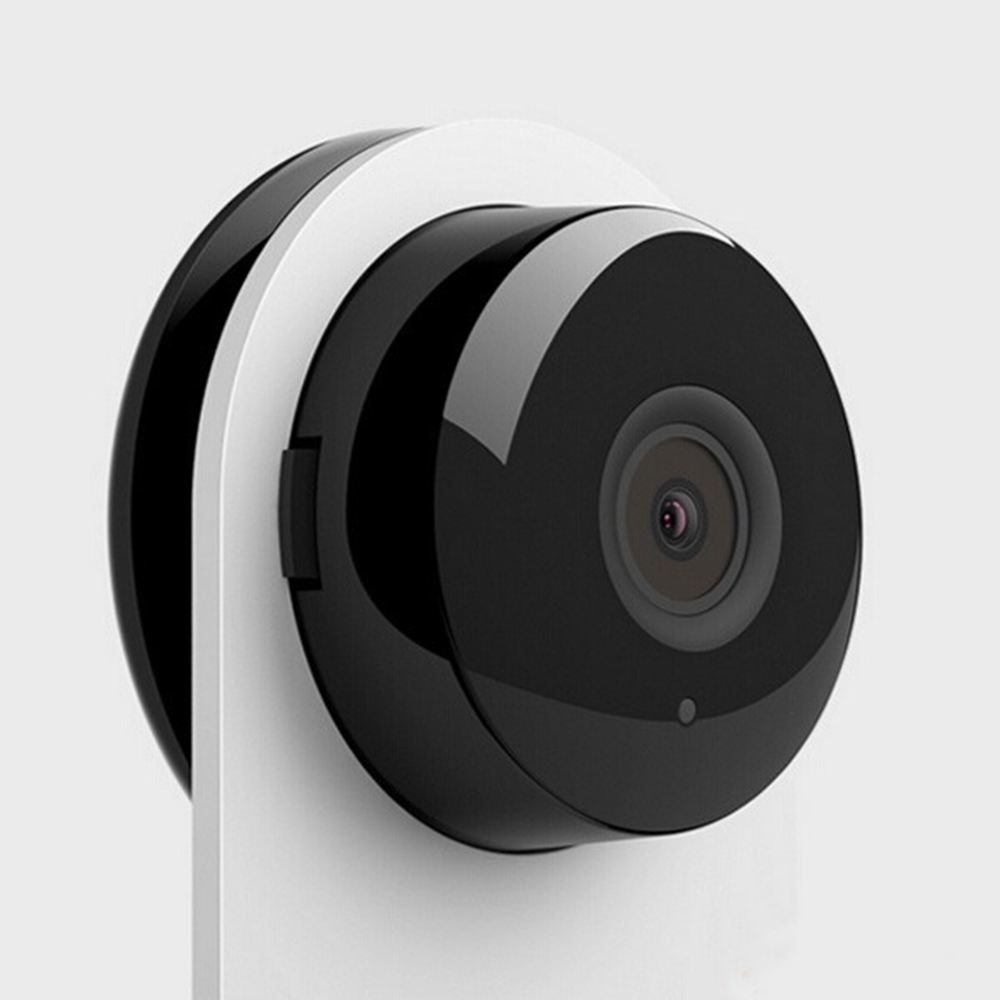
Another part of the research was dedicated to cities speed control cameras. Using the Shodan search engine, researchers were able to identify multiple IP addresses belonging to such devices which were openly accessible from the web: no passwords were in use and anyone would be able to see the footage from cameras, and more. Researchers discovered that some tools used to control these cameras are also available to anyone on the web.

“In some cities, speed control camera systems track certain lines on the highway – a feature which could be easily turned off. So, if an attacker needs to shut down the system at a certain location for a period of time, they would be able to do that. Considering that these cameras can be, and sometimes are, used for security and law enforcement purposes, it is really easy to imagine how these vulnerabilities can assist in crimes like car theft and others. It is therefore really important to keep such networks protected at least from direct web access”, said Vladimir Dashchenko, security expert at Kaspersky Lab.

The text of the research and advice on how to protect IT systems of Smart Cities from being compromised is available on Securelist.com.

It is also available at Securingsmartcities.org – a not-for-profit global initiative that aims to solve the existing and future cybersecurity problems of smart cities through collaboration between companies, governments, media outlets, other not-for-profit initiatives and individuals across the world.

[su_box title=”About Kaspersky Lab” style=”noise” box_color=”#336588″][short_info id=’59584′ desc=”true” all=”false”][/su_box]

ISBuzz Team
  • ISBuzz Team
    Air Canada Data Breach: BianLian Extortion Group Claims A Massive Heist Contrary To Airline’s Earlier Statement
  • ISBuzz Team
    Unprecedented DDoS Attack Rocks The Web: Tech Giants Reveal A Digital Tsunami
  • ISBuzz Team
    CISA Flags High-Severity Adobe Acrobat Reader Flaw Amid Active Exploits
  • ISBuzz Team
    Curl Security Alert: Patching A Critical Bug Averting Potential Cyber Catastrophe

The opinions expressed in this post belong to the individual contributors and do not necessarily reflect the views of Information Security Buzz.

Share. Facebook Twitter LinkedIn Email Copy Link

Related Posts

The Real Cost of Inconsistent Third-Party Access

December 18, 20255 Mins Read

What Happens When Devices Cross Borders? The Role of Geofencing in Global IT

August 7, 20256 Mins Read

The Evolving Importance of Identity Governance in FinTech

July 10, 20258 Mins Read
ISB-Bora-Side-Bar

No se ha podido establecer conexión. Error 429

 
ISB-Bora-Side-Bar
Black ISB Logo

Information Security Buzz is an independent resource that provides the experts’ comments, analysis, and opinion on the latest Cybersecurity news and topics

X (Twitter) LinkedIn Facebook RSS

Working With Us

  • About Us
  • Advertise With Us
  • Contact Us

Write For Us

  • How To Contribute

The Pages

  • Privacy Policy
  • Cookie Policy
  • AI Policy
  • Terms & Conditions
  • Copyright Notice

Information Security Buzz and all its contents are copyright © 2014-2025. All rights reserved. All third-party trademarks are recognized.

Type above and press Enter to search. Press Esc to cancel.

Manage Consent
To provide the best experiences, we use technologies like cookies to store and/or access device information. Consenting to these technologies will allow us to process data such as browsing behavior or unique IDs on this site. Not consenting or withdrawing consent, may adversely affect certain features and functions.
Functional Always active
The technical storage or access is strictly necessary for the legitimate purpose of enabling the use of a specific service explicitly requested by the subscriber or user, or for the sole purpose of carrying out the transmission of a communication over an electronic communications network.
Preferences
The technical storage or access is necessary for the legitimate purpose of storing preferences that are not requested by the subscriber or user.
Statistics
The technical storage or access that is used exclusively for statistical purposes. The technical storage or access that is used exclusively for anonymous statistical purposes. Without a subpoena, voluntary compliance on the part of your Internet Service Provider, or additional records from a third party, information stored or retrieved for this purpose alone cannot usually be used to identify you.
Marketing
The technical storage or access is required to create user profiles to send advertising, or to track the user on a website or across several websites for similar marketing purposes.
  • Manage options
  • Manage services
  • Manage {vendor_count} vendors
  • Read more about these purposes
View preferences
  • {title}
  • {title}
  • {title}