

Close Menu
  • Home
  • Articles
    • Attacks
      • BEC
      • Data Breach
      • DDoS
      • Evasion Attacks
      • Injection
      • Malware
      • MITM
      • Phishing
      • Ransomware
      • RCE
      • Social Engineering
      • Spoofing
      • Spyware
    • Business and Policy
      • BCP and DRP
      • GRC
      • Regulations
    • Data Protection
      • DLP
      • DRM
      • Encryption
      • IAM
    • Future, Trends and Insight
      • AI
      • Events & Community
      • Emerging Tech
      • Expert Panel
      • Interviews With Experts
      • Insights
      • Study & Research
    • Resources
      • Guides
      • Tools
      • Training & Education
    • Security
      • API
      • Apps
      • Cloud
      • Critical Infrastructure
      • Endpoint
      • Hardware
      • IoT
      • Mobile
      • Network
      • OT
      • Port Security
      • Security Architecture
      • Software Development
      • Supply Chain
      • Zero Trust
    • Threats and Vulnerabilities
      • Emerging Threats
      • Insider Threats
      • Risk Management
      • Threat Intelligence
      • Zero Day
  • News and Exclusives
    • Latest News
    • ISB Exclusive
    • Positive News
  • Who We Are
    • About Us
    • Information Security Buzz Expert Panel​
    • Write for Us
    • Media Pack
  • Contact Us
  • Newsletter
Facebook X (Twitter) LinkedIn
Information Security BuzzInformation Security Buzz
  • Home
  • Articles
    • Attacks
      • BEC
      • Data Breach
      • DDoS
      • Evasion Attacks
      • Injection
      • Malware
      • MITM
      • Phishing
      • Ransomware
      • RCE
      • Social Engineering
      • Spoofing
      • Spyware
    • Business and Policy
      • BCP and DRP
      • GRC
      • Regulations
    • Data Protection
      • DLP
      • DRM
      • Encryption
      • IAM
    • Future, Trends and Insight
      • AI
      • Events & Community
      • Emerging Tech
      • Expert Panel
      • Interviews With Experts
      • Insights
      • Study & Research
    • Resources
      • Guides
      • Tools
      • Training & Education
    • Security
      • API
      • Apps
      • Cloud
      • Critical Infrastructure
      • Endpoint
      • Hardware
      • IoT
      • Mobile
      • Network
      • OT
      • Port Security
      • Security Architecture
      • Software Development
      • Supply Chain
      • Zero Trust
    • Threats and Vulnerabilities
      • Emerging Threats
      • Insider Threats
      • Risk Management
      • Threat Intelligence
      • Zero Day
  • News and Exclusives
    • Latest News
    • ISB Exclusive
    • Positive News
  • Who We Are
    • About Us
    • Information Security Buzz Expert Panel​
    • Write for Us
    • Media Pack
  • Contact Us
  • Newsletter
Subscribe
Information Security BuzzInformation Security Buzz
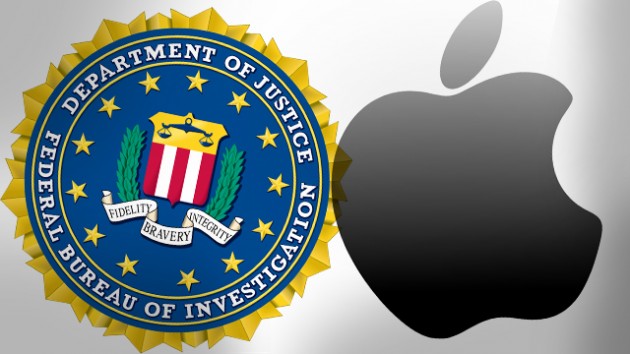
Home - Articles - Apple vs. The FBI: What You Need To Know
Articles

Apple vs. The FBI: What You Need To Know

ISBuzz TeamBy ISBuzz TeamAugust 4, 2016Updated:July 4, 20243 Mins Read
Share LinkedIn Twitter Facebook Copy Link Email
Share
Facebook Twitter LinkedIn Email Copy Link
Quick AI Summary
ChatGPTClaudeGeminiGrokPerplexityDeepSeekCopilot

The legal battle betwAdelaide, Australia - September 20, 2013: Entering passcode on an iPhone running iOS. iOS is the foundation of iPhone, iPad, and iPod touch. It comes with a collection of apps and useful features. The iOS 7 update features a redesigned interface and hundreds of new features.een Apple and the FBI is several months in the rearview mirror, but the continuing battle for technology and privacy is still ahead of us. The long fight between the world’s largest technology company and the most powerful law enforcement agency left us with more questions than answers. Even though Apple may have won the battle, the war between the government and our digital privacy is just getting started.

ATragedy in California

The building tension between the U.S. government and the privacy of the American people goes back to 9/11; however, this particular incident started with a terrorist attack in San Bernardino, California, that killed 14 people and injured 22 more in December 2015. Husband and wife Syed Rizwan Farook and Tashfeen Malik plotted the shooting at a regional center in the city and were killed by police during the attack. The tragedy reignited America’s fear of homeland terrorism and the public demanded action to prevent such a horror from happening again.

The Recovered iPhone

Since Farook and Malik were killed amidst the attack, the only evidence that could help investigators piece together their motives or plan was collected by police and the FBI. The most notable piece of evidence was an iPhone Farook used as his work device. The phone could have held crucial information to help authorities prevent future attacks, but the phone was locked with a passcode, making the information inside inaccessible. The FBI had no other choice but to turn to Apple for help.

Apple’s Master Key

The FBI’s request to Apple for access to the locked iPhone of a known terrorist seemed straightforward. Of course Apple would be eager and willing to cooperate, right? The truth is more complicated. The iPhone is a secure smartphone. It’s designed to be virtually unhackable to the point that even Apple can’t know what’s inside. But the FBI wanted Apple to create a backdoor, a “master key” to allow the law enforcement agency to unlock the phone. CEO Tim Cook refused. The problem with a master key, according to Tim Cook, is that it would create a breach in security for every iPhone in the world. Essentially, the FBI could potentially use this new software to access any iPhone with little to no effort, and Apple did not want that. The FBI took legal action against Apple, hoping to force the company to create the software, but its CEO would not back down.

A Strange Twist in Events

The American public and the courts sided with Apple. The company had no legal obligation to create a loophole for the FBI. Although Tim Cook expressed his deepest sympathies for the tragedy in San Bernardino and emphasized the importance of fighting against terrorism, he felt this wasn’t the path to take. But then something especially strange happened — the FBI was able to hack into the iPhone using a private security agency. After all the public attention and legal process, the FBI accomplished what it wanted without Apple’s help. So why did the FBI want a master key if it didn’t need it? Some people speculate that the FBI was less interested in Farook’s iPhone and more interested in everyone’s iPhone. Even though the FBI was able to crack one phone, it still consumed time, money and resources. A master key would circumvent the effort and give the FBI easy access to any iPhone in the world. Whether or not that intention was true, it does emphasize the importance of digital privacy and just how much of it the American people are willing to exchange in the name of safety.

ISBuzz Team
  • ISBuzz Team
    Air Canada Data Breach: BianLian Extortion Group Claims A Massive Heist Contrary To Airline’s Earlier Statement
  • ISBuzz Team
    Unprecedented DDoS Attack Rocks The Web: Tech Giants Reveal A Digital Tsunami
  • ISBuzz Team
    CISA Flags High-Severity Adobe Acrobat Reader Flaw Amid Active Exploits
  • ISBuzz Team
    Curl Security Alert: Patching A Critical Bug Averting Potential Cyber Catastrophe

The opinions expressed in this post belong to the individual contributors and do not necessarily reflect the views of Information Security Buzz.

Share. Facebook Twitter LinkedIn Email Copy Link

Related Posts

The Real Cost of Inconsistent Third-Party Access

December 18, 20255 Mins Read

What Happens When Devices Cross Borders? The Role of Geofencing in Global IT

August 7, 20256 Mins Read

The Evolving Importance of Identity Governance in FinTech

July 10, 20258 Mins Read
ISB-Bora-Side-Bar

No se ha podido establecer conexión. Error 429

 
ISB-Bora-Side-Bar
Black ISB Logo

Information Security Buzz is an independent resource that provides the experts’ comments, analysis, and opinion on the latest Cybersecurity news and topics

X (Twitter) LinkedIn Facebook RSS

Working With Us

  • About Us
  • Advertise With Us
  • Contact Us

Write For Us

  • How To Contribute

The Pages

  • Privacy Policy
  • Cookie Policy
  • AI Policy
  • Terms & Conditions
  • Copyright Notice

Information Security Buzz and all its contents are copyright © 2014-2025. All rights reserved. All third-party trademarks are recognized.

Type above and press Enter to search. Press Esc to cancel.

Manage Consent
To provide the best experiences, we use technologies like cookies to store and/or access device information. Consenting to these technologies will allow us to process data such as browsing behavior or unique IDs on this site. Not consenting or withdrawing consent, may adversely affect certain features and functions.
Functional Always active
The technical storage or access is strictly necessary for the legitimate purpose of enabling the use of a specific service explicitly requested by the subscriber or user, or for the sole purpose of carrying out the transmission of a communication over an electronic communications network.
Preferences
The technical storage or access is necessary for the legitimate purpose of storing preferences that are not requested by the subscriber or user.
Statistics
The technical storage or access that is used exclusively for statistical purposes. The technical storage or access that is used exclusively for anonymous statistical purposes. Without a subpoena, voluntary compliance on the part of your Internet Service Provider, or additional records from a third party, information stored or retrieved for this purpose alone cannot usually be used to identify you.
Marketing
The technical storage or access is required to create user profiles to send advertising, or to track the user on a website or across several websites for similar marketing purposes.
  • Manage options
  • Manage services
  • Manage {vendor_count} vendors
  • Read more about these purposes
View preferences
  • {title}
  • {title}
  • {title}