


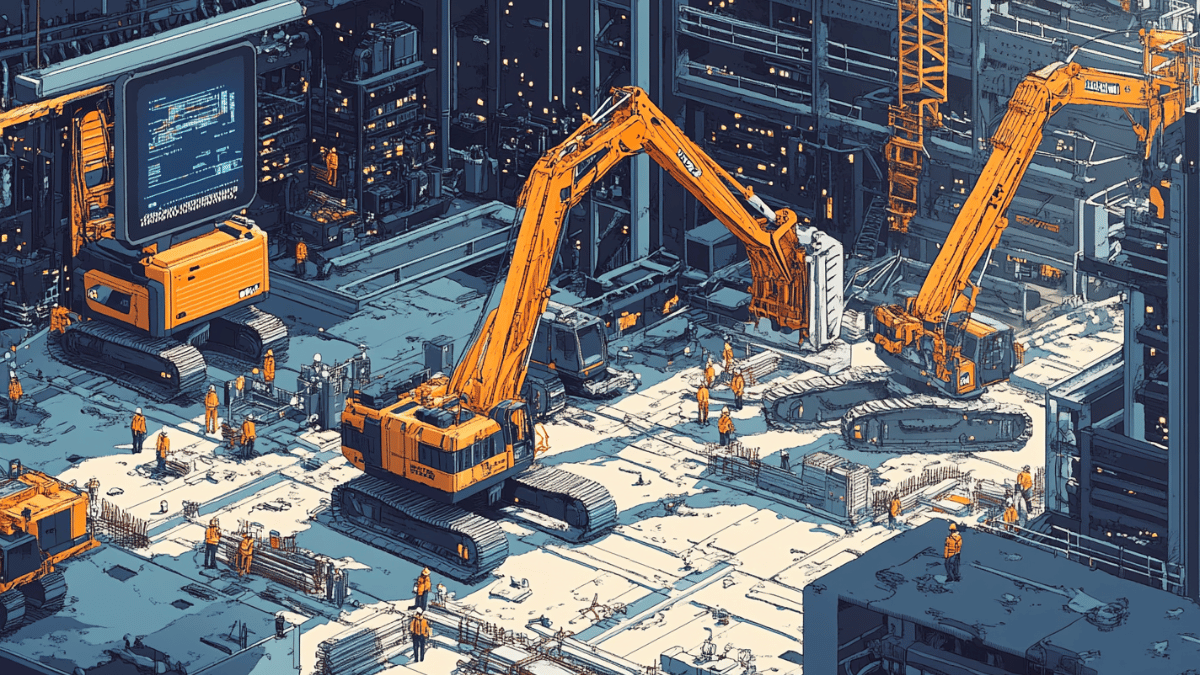
Cybersecurity is becoming necessary across multiple industries as they adapt to a technologically driven society. Construction is a perfect example, as most operations a decade ago would consist of human labor.
Technological advancements explicitly built for the sector — like management software, autonomous equipment, and electric vehicles — necessitate bolstered cybersecurity safeguards.
1. Training and Awareness
Cybersecurity professionals must collaborate with construction companies to educate managers and workers about digital safety and well-being. In 2024, 45% of users attended computer-based security awareness training, while others tried channels like newsletters and emails.
Since cybersecurity is also such a broad topic, you should construct courses for different facets. For instance, you can first teach the common cyberattacks construction workers may encounter. Simulate phishing attacks or malware malfunctions and demonstrate what they should do upon receiving those.
You could also focus on certain groups within the sector. For instance, there are about 3.5 million truckers in the U.S., many of whom are dedicated to delivering construction materials. Perhaps they need to be aware of GPS technology and how to keep location data under wraps to maintain their safety.
2. Secure IoT Implementation
Various Internet of Things (IoT) devices are being used in construction. For instance, wearables can provide physiological data on staff, ensuring managers know of potential health risks on-site. Process-based firmware such as concrete sensors and connected manufacturing equipment, also improves operational efficiency.
IoT deployments necessitate a fair bit of security. For instance, when connecting devices during implementation, professionals must ensure the firmware is as secure as possible. Physical barriers like locks prevent tampering.
It will also need cybersecurity precautions. One main way enterprises do so is by monitoring device access and activity. Any peculiar shifts hint at a potential compromise in the system. From there, a construction company can focus on mitigating breaches.
3. Network Security
Construction companies also have a fair share of back-office business, such as accounting, record maintenance, settlements, and other administrative work. The rise of construction management software and other similar online tools has streamlined the process to make it easier. However, these require good network security.
There are many tools to help with network security. For instance, firewalls are a barrier guarding your digital infrastructure, ensuring the data is safe within your private network. Cyberattackers are evolving their approach — they may use fake proxy servers to avoid traceability during the attacks.
It can be hard to pinpoint when a threat is already in action, but cybersecurity professionals have been creating technology to help with that. For instance, intrusion detection systems are meant to monitor network activity. As soon as malicious activity is detected, you get a notification that it will intercept the action.
4. Multifactor Authentication
Access to sensitive information is critical to protection, as the wrong hands wreak havoc on the affected company. Setting up passwords and ensuring good habits like restricting sharing and enabling multifactor authentication can go a long way.
Cybersecurity technology has progressed to include other kinds of authentication. Biometric-based data is robust because it’s unique to workers in that firm, making it hard to replicate and hack. These apply to digital account access, but some also employ them for area access and site attendance.
5. Vehicle Protection
Construction vehicles have changed over time. For instance, autonomous units are equipped with sensors and artificial intelligence to perform duties with little human intervention. The global autonomous construction equipment market is expected to reach $31,840.99 million by 2032.
Autonomous bulldozers and cranes are impressive, but there’s also the matter of their configuration. Electric construction vehicles offer a more sustainable way to carry out operations, which is especially necessary given climate change.
While interest in and development of this equipment are moving fast, considerations must also take precedence. Tampering with these technologies could lower company efficiency and even affect the well-being of workers in the long run.
Specialized hardware security modules are among the best cybersecurity safeguards. Apart from strengthening the vehicle’s configuration, they also physically secure the software behind autonomous vehicles. Better development practices for these programs are also a necessity. Review the lines of code and run penetration testing to identify and fix vulnerabilities before a threat occurs.
6. Data Management
Data management is also an essential practice for maintaining security. Encryption makes information incomprehensible to attackers. It is typically applied to data backed up onto other forms of hardware to mitigate ransomware attacks. If a construction company fails to back up and encrypt its data, it’s important to have a risk management plan.
Cybersecurity professionals should assess which data forms are vulnerable and how to ensure they stay unscathed. A data recovery process must be in place but always plan for loss.
7. Incident Response Plans
Most cybersecurity safeguards are focused on prevention, but companies must also be prepared for what happens when threats emerge. Data recovery is already one step of an incident response plan, which should also include updating security patches on construction software and inspecting further damage to vehicles and hardware.
An incident response plan should outline case-by-case solutions for different threats. After all, the fix for a ransomware attack differs from that for stolen security keys.
Strengthen Construction Cybersecurity
Construction companies expose themselves to informational and financial vulnerabilities without a solid plan to address these risks. It’s essential to stay proactive by implementing diverse cybersecurity measures. As threats continue to evolve, maintaining vigilance is key to long-term protection.

Dylan Berger has several years of experience writing about cybercrime, cybersecurity, and similar topics. He’s passionate about fraud prevention and cybersecurity’s relationship with the supply chain. He’s a prolific blogger and regularly contributes to other publications across the web.
The opinions expressed in this post belong to the individual contributors and do not necessarily reflect the views of Information Security Buzz.