

Close Menu
  • Home
  • Articles
    • Attacks
      • BEC
      • Data Breach
      • DDoS
      • Evasion Attacks
      • Injection
      • Malware
      • MITM
      • Phishing
      • Ransomware
      • RCE
      • Social Engineering
      • Spoofing
      • Spyware
    • Business and Policy
      • BCP and DRP
      • GRC
      • Regulations
    • Data Protection
      • DLP
      • DRM
      • Encryption
      • IAM
    • Future, Trends and Insight
      • AI
      • Events & Community
      • Emerging Tech
      • Expert Panel
      • Interviews With Experts
      • Insights
      • Study & Research
    • Resources
      • Guides
      • Tools
      • Training & Education
    • Security
      • API
      • Apps
      • Cloud
      • Critical Infrastructure
      • Endpoint
      • Hardware
      • IoT
      • Mobile
      • Network
      • OT
      • Port Security
      • Security Architecture
      • Software Development
      • Supply Chain
      • Zero Trust
    • Threats and Vulnerabilities
      • Emerging Threats
      • Insider Threats
      • Risk Management
      • Threat Intelligence
      • Zero Day
  • News and Exclusives
    • Latest News
    • ISB Exclusive
    • Positive News
  • Who We Are
    • About Us
    • Information Security Buzz Expert Panel​
    • Write for Us
    • Media Pack
  • Contact Us
  • Newsletter
Facebook X (Twitter) LinkedIn
Information Security BuzzInformation Security Buzz
  • Home
  • Articles
    • Attacks
      • BEC
      • Data Breach
      • DDoS
      • Evasion Attacks
      • Injection
      • Malware
      • MITM
      • Phishing
      • Ransomware
      • RCE
      • Social Engineering
      • Spoofing
      • Spyware
    • Business and Policy
      • BCP and DRP
      • GRC
      • Regulations
    • Data Protection
      • DLP
      • DRM
      • Encryption
      • IAM
    • Future, Trends and Insight
      • AI
      • Events & Community
      • Emerging Tech
      • Expert Panel
      • Interviews With Experts
      • Insights
      • Study & Research
    • Resources
      • Guides
      • Tools
      • Training & Education
    • Security
      • API
      • Apps
      • Cloud
      • Critical Infrastructure
      • Endpoint
      • Hardware
      • IoT
      • Mobile
      • Network
      • OT
      • Port Security
      • Security Architecture
      • Software Development
      • Supply Chain
      • Zero Trust
    • Threats and Vulnerabilities
      • Emerging Threats
      • Insider Threats
      • Risk Management
      • Threat Intelligence
      • Zero Day
  • News and Exclusives
    • Latest News
    • ISB Exclusive
    • Positive News
  • Who We Are
    • About Us
    • Information Security Buzz Expert Panel​
    • Write for Us
    • Media Pack
  • Contact Us
  • Newsletter
Subscribe
Information Security BuzzInformation Security Buzz
Home - Articles - Public to Help Build a Magna Carta for the Digital Age
Articles

Public to Help Build a Magna Carta for the Digital Age

ISBuzz TeamBy ISBuzz TeamJune 15, 2015Updated:July 4, 20244 Mins Read
Share LinkedIn Twitter Facebook Copy Link Email
Share
Facebook Twitter LinkedIn Email Copy Link
Quick AI Summary
ChatGPTClaudeGeminiGrokPerplexityDeepSeekCopilot

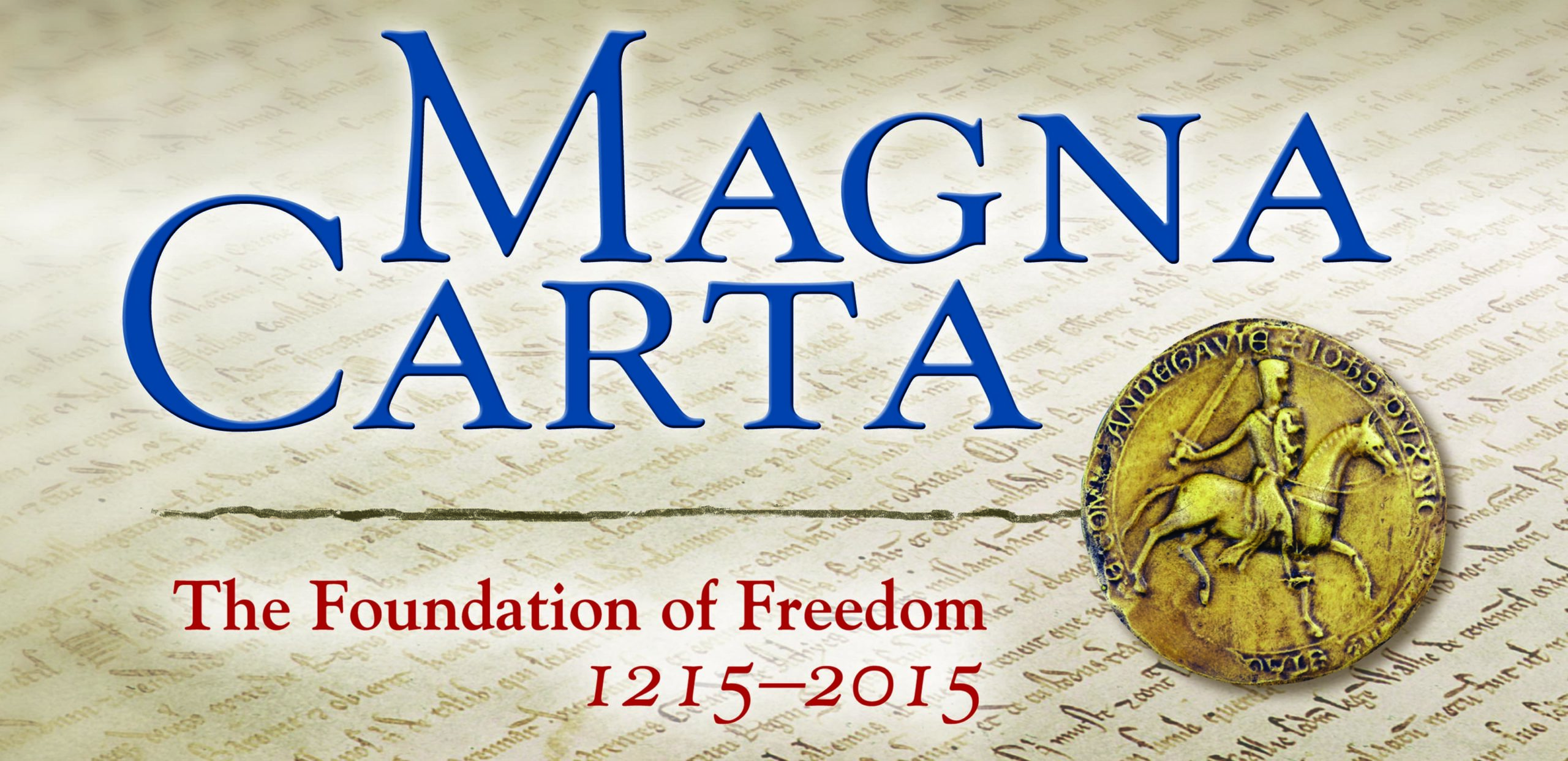
Magna Carta: My Digital Rights – the public can now help build a ‘Magna Carta for the digital age’

Image 1

  • The public to choose from more than 500 My Digital Rights clauses generated by over 3000 students worldwide
  • Analysis shows students leaning towards safety and privacy on the Web, over freedom of speech
  • The public’s ‘Top 10’ clauses will be published on Magna Carta Day, Monday 15 June
  • For Voting : Visit HERE

This week the public have the chance to shape a ‘Magna Carta for the digital age’ by voting for My Digital Rights clauses generated by school students from around the world.

In conjunction with the 800th anniversary of Magna Carta and the 25th anniversary of the web, more than 3000 10 to 18 year olds, over half of whom are overseas, have taken part in Magna Carta: My Digital Rights. The project is part of the Library’s Learning programme, supporting the major exhibition Magna Carta: Law, Liberty, Legacy, and encourages young people to think about the issues of freedom and control raised by Magna Carta in the context of the digital age.

Using our My Digital Rights teaching resources, young people have taken part in debates and workshops to consider a range of digital topics from cyberbullying to surveillance and written their own ‘clauses’ in response. Since January the Library has received over 500 clauses from schoolchildren relating to freedom, privacy and access.

From today the public can vote on their favourite clauses and on Monday 15 June, Magna Carta Day, we will publish the results in the form of a ‘Magna Carta for the digital age’.

The clauses from students are striking: rather than a call for freedom or openness half of the submissions reveal a marked concern about safety and security online.

Analysis shows students who participated in workshops leaning towards safety, protecting young people and preventing bullying on the Web, over freedom of speech or freedom of the internet (29% compared to 17%).

The school resources cover a wide range of topics, but there is a clear lean towards students wanting to feel safe and protected online, with curbs to cyberbullying. Some even call for ‘cyber police’ to protect the Web.

Launched with BBC Radio 1 earlier this year as part of the BBC’s Taking Liberties season, the project has been jointly conceived by the British Library, World Wide Web Foundation, Southbank Centre and British Council.

“Prompted by the 800th anniversary of Magna Carta, the My Digital Rights project has provoked lively and timely discussions in classrooms around the UK and beyond,” says Roly Keating, Chief Executive of the British Library.

“The results provide a fascinating perspective on how young people feel and talk about their lives on the internet.”

The clauses from students, which are now all available to agree or disagree with via the My Digital Rights website, include ideas such as:

  • The web we want will be safe and secure and have the ability to block and report malicious activities
  • The web we want will allow freedom of speech but discourage bullying
  • The web we want will not let companies pay to control it, and not let governments restrict our right to information
  • The web we want will be private and not allow the government to see what we do online
  • The web we want will be untraceable to strangers
  • The web we want will be protective of all people
  • The web we want will be a human right

The Library also consulted a range of public figures, including human rights activists, technology experts and surveillance specialists, during the course of the project. The contributors, such as Shami Chakrabarti, Professor Sir David Omand, Caroline Criado-Perez and Simon Phipps wrote articles and featured in films as part of the project.

Shami Chakrabarti, Director of Liberty, said:

“A Magna Carta for the digital age would ultimately have to be about protecting freedom online – whether that is freedom from big business, big government, or organised crime. But it would have to be global, truly international, as these days all human rights instruments have to be.”

Professor Sir David Omand, former Director of GCHQ, says:

“The online world offers both opportunities and risks and Web users need to understand the importance of balancing security with privacy and freedom of expression. As we enter an increasingly digital age, it is crucial that young people are aware of and engage in an informed debate about their rights and responsibilities when it comes to protecting our liberties.”

The public can now vote for their favourite clauses on the My Digital Rights website until Monday 15 June, Magna Carta Day, when we will unveil the ‘Top 10’ clauses that emerge.

For Voting : Visit HERE

Images
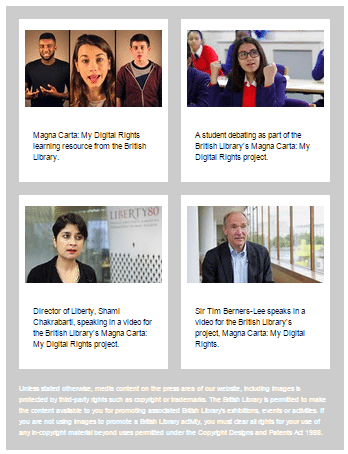
Image 2

ISBuzz Team
  • ISBuzz Team
    Air Canada Data Breach: BianLian Extortion Group Claims A Massive Heist Contrary To Airline’s Earlier Statement
  • ISBuzz Team
    Unprecedented DDoS Attack Rocks The Web: Tech Giants Reveal A Digital Tsunami
  • ISBuzz Team
    CISA Flags High-Severity Adobe Acrobat Reader Flaw Amid Active Exploits
  • ISBuzz Team
    Curl Security Alert: Patching A Critical Bug Averting Potential Cyber Catastrophe

The opinions expressed in this post belong to the individual contributors and do not necessarily reflect the views of Information Security Buzz.

Share. Facebook Twitter LinkedIn Email Copy Link

Related Posts

The Real Cost of Inconsistent Third-Party Access

December 18, 20255 Mins Read

What Happens When Devices Cross Borders? The Role of Geofencing in Global IT

August 7, 20256 Mins Read

The Evolving Importance of Identity Governance in FinTech

July 10, 20258 Mins Read
ISB-Bora-Side-Bar

No se ha podido establecer conexión. Error 429

 
ISB-Bora-Side-Bar
Black ISB Logo

Information Security Buzz is an independent resource that provides the experts’ comments, analysis, and opinion on the latest Cybersecurity news and topics

X (Twitter) LinkedIn Facebook RSS

Working With Us

  • About Us
  • Advertise With Us
  • Contact Us

Write For Us

  • How To Contribute

The Pages

  • Privacy Policy
  • Cookie Policy
  • AI Policy
  • Terms & Conditions
  • Copyright Notice

Information Security Buzz and all its contents are copyright © 2014-2025. All rights reserved. All third-party trademarks are recognized.

Type above and press Enter to search. Press Esc to cancel.

Manage Consent
To provide the best experiences, we use technologies like cookies to store and/or access device information. Consenting to these technologies will allow us to process data such as browsing behavior or unique IDs on this site. Not consenting or withdrawing consent, may adversely affect certain features and functions.
Functional Always active
The technical storage or access is strictly necessary for the legitimate purpose of enabling the use of a specific service explicitly requested by the subscriber or user, or for the sole purpose of carrying out the transmission of a communication over an electronic communications network.
Preferences
The technical storage or access is necessary for the legitimate purpose of storing preferences that are not requested by the subscriber or user.
Statistics
The technical storage or access that is used exclusively for statistical purposes. The technical storage or access that is used exclusively for anonymous statistical purposes. Without a subpoena, voluntary compliance on the part of your Internet Service Provider, or additional records from a third party, information stored or retrieved for this purpose alone cannot usually be used to identify you.
Marketing
The technical storage or access is required to create user profiles to send advertising, or to track the user on a website or across several websites for similar marketing purposes.
  • Manage options
  • Manage services
  • Manage {vendor_count} vendors
  • Read more about these purposes
View preferences
  • {title}
  • {title}
  • {title}