


Close Menu
  • Home
  • Articles
    • Attacks
      • BEC
      • Data Breach
      • DDoS
      • Evasion Attacks
      • Injection
      • Malware
      • MITM
      • Phishing
      • Ransomware
      • RCE
      • Social Engineering
      • Spoofing
      • Spyware
    • Business and Policy
      • BCP and DRP
      • GRC
      • Regulations
    • Data Protection
      • DLP
      • DRM
      • Encryption
      • IAM
    • Future, Trends and Insight
      • AI
      • Events & Community
      • Emerging Tech
      • Expert Panel
      • Interviews With Experts
      • Insights
      • Study & Research
    • Resources
      • Guides
      • Tools
      • Training & Education
    • Security
      • API
      • Apps
      • Cloud
      • Critical Infrastructure
      • Endpoint
      • Hardware
      • IoT
      • Mobile
      • Network
      • OT
      • Port Security
      • Security Architecture
      • Software Development
      • Supply Chain
      • Zero Trust
    • Threats and Vulnerabilities
      • Emerging Threats
      • Insider Threats
      • Risk Management
      • Threat Intelligence
      • Zero Day
  • News and Exclusives
    • Latest News
    • ISB Exclusive
    • Positive News
  • Who We Are
    • About Us
    • Information Security Buzz Expert Panel​
    • Write for Us
    • Media Pack
  • Contact Us
  • Newsletter
Facebook X (Twitter) LinkedIn
Information Security BuzzInformation Security Buzz
  • Home
  • Articles
    • Attacks
      • BEC
      • Data Breach
      • DDoS
      • Evasion Attacks
      • Injection
      • Malware
      • MITM
      • Phishing
      • Ransomware
      • RCE
      • Social Engineering
      • Spoofing
      • Spyware
    • Business and Policy
      • BCP and DRP
      • GRC
      • Regulations
    • Data Protection
      • DLP
      • DRM
      • Encryption
      • IAM
    • Future, Trends and Insight
      • AI
      • Events & Community
      • Emerging Tech
      • Expert Panel
      • Interviews With Experts
      • Insights
      • Study & Research
    • Resources
      • Guides
      • Tools
      • Training & Education
    • Security
      • API
      • Apps
      • Cloud
      • Critical Infrastructure
      • Endpoint
      • Hardware
      • IoT
      • Mobile
      • Network
      • OT
      • Port Security
      • Security Architecture
      • Software Development
      • Supply Chain
      • Zero Trust
    • Threats and Vulnerabilities
      • Emerging Threats
      • Insider Threats
      • Risk Management
      • Threat Intelligence
      • Zero Day
  • News and Exclusives
    • Latest News
    • ISB Exclusive
    • Positive News
  • Who We Are
    • About Us
    • Information Security Buzz Expert Panel​
    • Write for Us
    • Media Pack
  • Contact Us
  • Newsletter
Subscribe
Information Security BuzzInformation Security Buzz
Home - Articles - The Lifesaving Potential of Data Sharing
Articles

The Lifesaving Potential of Data Sharing

ISBuzz TeamBy ISBuzz TeamSeptember 23, 2015Updated:July 4, 20244 Mins Read
Share LinkedIn Twitter Facebook Copy Link Email
Data Sharing
Share
Facebook Twitter LinkedIn Email Copy Link
Quick AI Summary
ChatGPTClaudeGeminiGrokPerplexityDeepSeekCopilot

ImageData is constantly being collected and streamed all around us. From everyday devices like smartphones and televisions, to complex sensors that pick up vital information, the total accumulation of data over the past two years dwarfs the prior record of human civilization, according to Harvard Magazine.

Interestingly, however, it’s not the quantity of data that is revolutionary, it’s what we can do with it.

The capacity for organisations, businesses and governments to collect, examine and share data is unprecedented, and can generate new insights that have the potential to change the world.

Saving lives is just one example of how data sharing can do this.
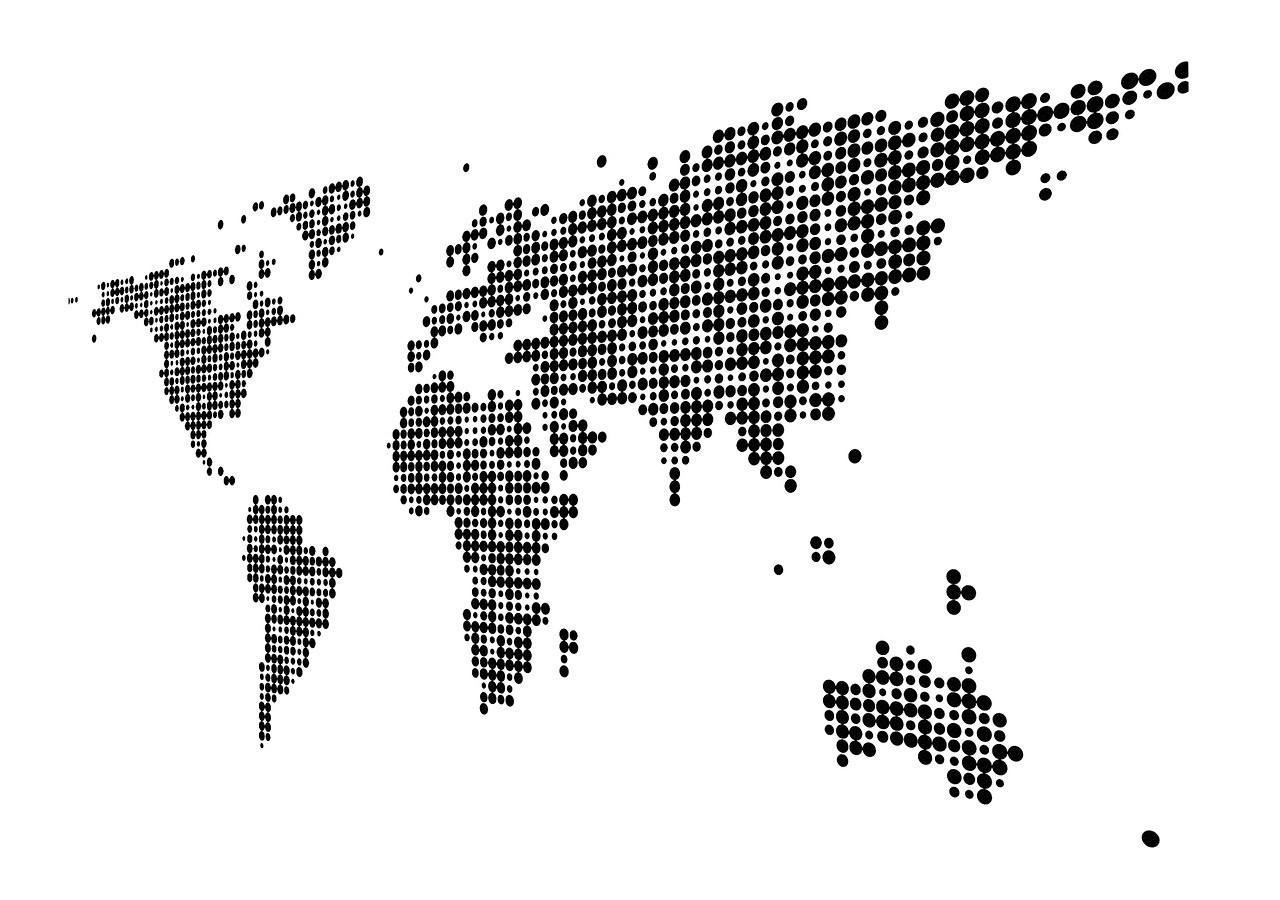
Image 1Global Data Sharing :

Data analysis can add tremendous insight and value into practically every field of investigation, from geographic all the way through to social science. Whenever sufficient information can be quantified, modern statistical methods can predict all manner of outcomes.

Severe weather warning systems are a perfect illustration of how data collection and distribution can save lives. Every year, severe weather threatens millions of people across the globe, leading to devastation and loss of life.

TV and radio disseminate information on these things quickly; but smartphones can do better. The potential is there for users to get real-time updates on severe weather systems as they’re occurring, giving them more time to take the necessary precautions.

One example of where better, faster data sharing could have saved lives is in Nepal, where 39 people were killed by a snowstorm on a popular trekking route in October last year.

Knowledge of the oncoming storm which was caused by a cyclone in India reached Nepal’s Home Ministry, but the information failed to reach people on a local level. As a result of this failure to share data, many became trapped and perished in what seemed like a ‘sudden’ snowstorm.

Google and Data :

The potential of big data is clear to see when we start to look at the information gathered by multinational corporations like Google, Twitter and Facebook.

For example, researchers at the University of California, San Diego, claimed in the Journal Scientific Reports that they can use CDC data and Google search terms related to influenza to forecast U.S. flu levels a week into the future.

Each year, 250,000 to 500,000 people die of influenza worldwide, with 3,000 to 50,000 of those fatalities happening in the United States. These deaths are largely preventable with flu immunization, but vaccines need to get to people before outbreaks occur. Having advanced information on the location and size of outbreaks could render them far less fatal.

Image 2The NHS :

Closer to home, the NHS is also looking at sharing data to save lives. The information in patient records is vital for medical research, and significant findings can be made by collating and comparing the information they contain. Examples of this include the discovery in the 1950s that smoking caused lung cancer and the disproval of the supposed link between the MMR vaccination and autism in the 1980s.

The conversion of patient records from paper to digital will make using them considerably easier for medical researchers, and the NHS is creating a new system to enable them to access this information to improve care in the UK.

Data Security :

Data sharing really could change the world, but the transfer of huge amounts of data raises huge security questions, especially when it comes to personal medical information.

If we want data sharing to be truly transformative, it’s vital that the security used is tight enough to ensure that confidential data doesn’t fall into the wrong hands. Only then can we be satisfied that the data being collected every day is being used for the good of people everywhere.[su_box title=”About Maytech” style=”noise” box_color=”#336588″]MaytechMaytech provides a global cloud platform for secure and reliant data transfer, and organisations in 35 countries spanning 60 industries rely on Maytech for mission critical workflows and global data distribution and acquisition. [/su_box]

ISBuzz Team
  • ISBuzz Team
    Air Canada Data Breach: BianLian Extortion Group Claims A Massive Heist Contrary To Airline’s Earlier Statement
  • ISBuzz Team
    Unprecedented DDoS Attack Rocks The Web: Tech Giants Reveal A Digital Tsunami
  • ISBuzz Team
    CISA Flags High-Severity Adobe Acrobat Reader Flaw Amid Active Exploits
  • ISBuzz Team
    Curl Security Alert: Patching A Critical Bug Averting Potential Cyber Catastrophe

The opinions expressed in this post belong to the individual contributors and do not necessarily reflect the views of Information Security Buzz.

Share. Facebook Twitter LinkedIn Email Copy Link

Related Posts

The Real Cost of Inconsistent Third-Party Access

December 18, 20255 Mins Read

What Happens When Devices Cross Borders? The Role of Geofencing in Global IT

August 7, 20256 Mins Read

The Evolving Importance of Identity Governance in FinTech

July 10, 20258 Mins Read
ISB-Bora-Side-Bar

 
ISB-Bora-Side-Bar
Black ISB Logo

Information Security Buzz is an independent resource that provides the experts’ comments, analysis, and opinion on the latest Cybersecurity news and topics

X (Twitter) LinkedIn Facebook RSS

Working With Us

  • About Us
  • Advertise With Us
  • Contact Us

Write For Us

  • How To Contribute

The Pages

  • Privacy Policy
  • Cookie Policy
  • AI Policy
  • Terms & Conditions
  • Copyright Notice

Information Security Buzz and all its contents are copyright © 2014-2025. All rights reserved. All third-party trademarks are recognized.

Type above and press Enter to search. Press Esc to cancel.

Manage Consent
To provide the best experiences, we use technologies like cookies to store and/or access device information. Consenting to these technologies will allow us to process data such as browsing behavior or unique IDs on this site. Not consenting or withdrawing consent, may adversely affect certain features and functions.
Functional Always active
The technical storage or access is strictly necessary for the legitimate purpose of enabling the use of a specific service explicitly requested by the subscriber or user, or for the sole purpose of carrying out the transmission of a communication over an electronic communications network.
Preferences
The technical storage or access is necessary for the legitimate purpose of storing preferences that are not requested by the subscriber or user.
Statistics
The technical storage or access that is used exclusively for statistical purposes. The technical storage or access that is used exclusively for anonymous statistical purposes. Without a subpoena, voluntary compliance on the part of your Internet Service Provider, or additional records from a third party, information stored or retrieved for this purpose alone cannot usually be used to identify you.
Marketing
The technical storage or access is required to create user profiles to send advertising, or to track the user on a website or across several websites for similar marketing purposes.
  • Manage options
  • Manage services
  • Manage {vendor_count} vendors
  • Read more about these purposes
View preferences
  • {title}
  • {title}
  • {title}